Stability Running Shoes Explained: Who Needs Them
Stability running shoes help curb inward roll; compare support designs, top models by runner, and prices to find a steady fit for long miles.
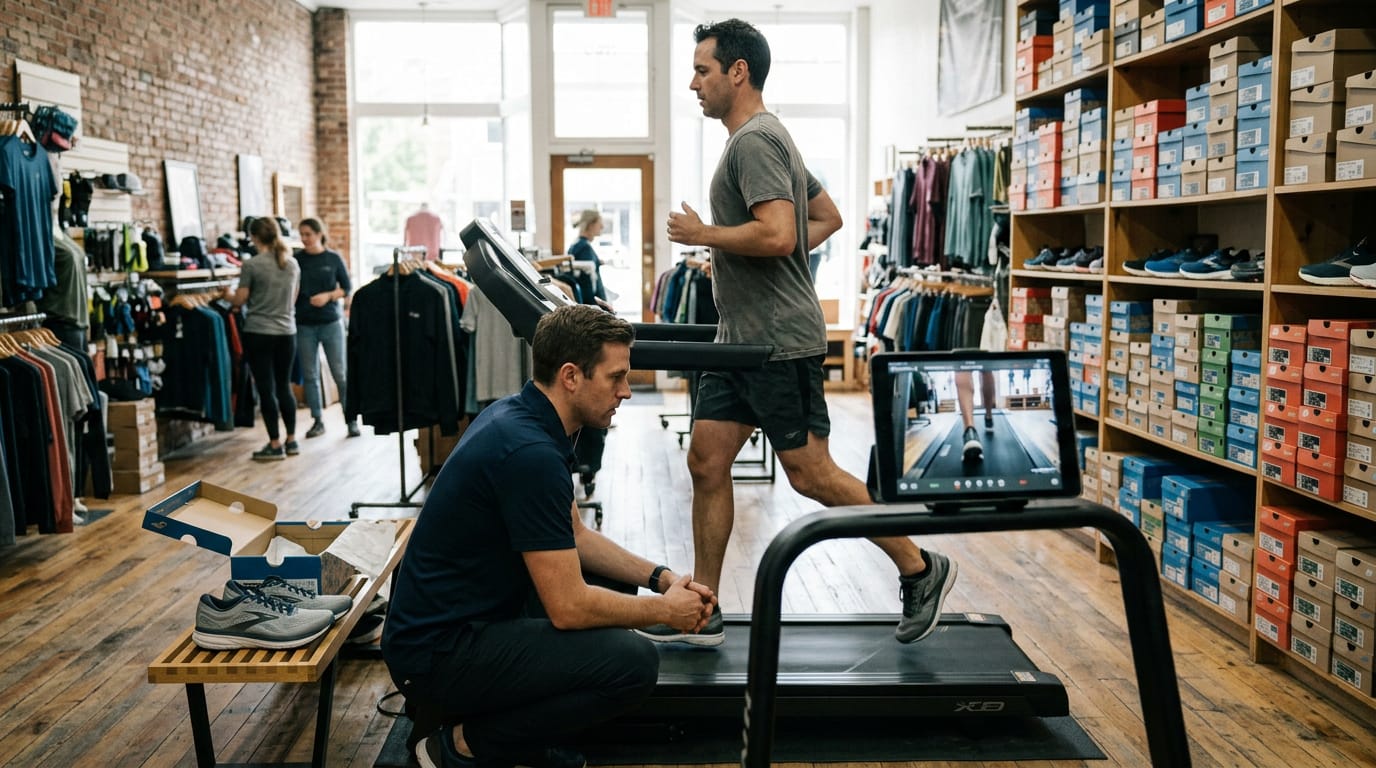
Picture your ankles rolling inward by mile three of a long run. If your feet tend to collapse toward the arch, a stability shoe is built to keep them on track. Stability running shoes add targeted support so your stride stays steady over the long miles.
In this post, we’ll cover who actually needs stability support, how the design features work, which models suit which runners, what you’ll pay, and how the category has changed over time.
Stability Running Shoes from Top Brands
Stability shoes suit runners whose feet roll inward more than they should with each step, a motion called overpronation, and who want extra support through the stride.
Here’s how the main models line up, starting with the two brands knee-pain questions come up for most.
Are Brooks or HOKA better for knee pain?
Neither brand wins on knee pain by default, and a model list can’t tell you which one will ease yours. The real answer is fit, not the logo.
Think of a club player with a sore left knee who tries two models in the same size, jogs the store aisle in each, and walks out with the one that keeps the heel from sliding. Fit beats brand.
If knee pain sticks around, a physical therapist can look at your stride before you spend more.
Start your fit check with these models:
- Brooks Adrenaline GTS
- ASICS GT-2000 and Kayano
- Saucony Guide and Hurricane
- Hoka Arahi and Gaviota
- Nike Structure
- New Balance 860
Try two or three in your usual size, and notice whether your heel stays put and your knee feels calm after a short jog.
Other brands worth considering
If none of those fit your foot, these are worth a try:
- On Cloudrunner
- Mizuno Inspire and Wave Rider
- Topo Aura and Ultrafly
- Puma ForeverRun Nitro
- Altra Experience Flow
Don’t skip a brand just because it’s less familiar on the shelf.
Stability shoes with the most cushion
If you want more cushion alongside support, these models lean that way:
- Brooks Glycerin GTS
- Hoka Gaviota
- Saucony Hurricane
- Topo Aura
Judge cushion by how your legs feel after a few minutes of jogging, not by the label.
How men’s and women’s models compare
Here’s what to check on each product page:
- Separate collections. Men’s and women’s models are often sold separately, so start on the page that matches your size.
- Same model, different widths. Some models come in more than one width, and width affects fit more than color does.
- Color variety per model. Colorways change from model to model, so pick the one you’ll actually wear, but let fit make the final call.
Design Features That Create Stability
Stability comes from a few design choices working together, and here’s how we break them down.
Each brand’s own support systems
Each brand gives its support technology its own name:
- Hoka: H-Frame and J-Frame
- Brooks: GuideRails
- Saucony: CenterPath
- Topo: Y-Frame
- Puma: Runguide
- Nike: midfoot bands
The names differ, but the goal is the same: keep your foot from rolling inward too far. Picture a weekend runner whose ankle drifts late in a run. A shoe that guides the foot keeps the finish as steady as the start. Fit beats brand.
Structural features that keep you steady
Most stability shoes also share these structural features:
- Wide geometry: a broader platform that’s harder to tip
- Sole flare: a wider base where the sole meets the ground
- Sidewalls: firm walls along the sides of the sole that resist sideways squish
- Gradual rocker: a gently curved sole that rolls you forward
- Heel bevel: an angled heel edge that eases landing
- Full-contact outsole: rubber covering the whole bottom
Together, they make the shoe feel planted instead of wobbly.
Is too much cushioning bad for feet?
Not automatically. What matters is whether the cushioning helps your stride or works against it. Stability models often use firmer midsole foam, and some add dual-density cushioning, which means two foam densities in one midsole.
Rocker geometry, the curve of the sole, helps the foot roll forward, while dense medial foam on the inner side resists inward collapse.
Consider a parent who runs in a plush shoe that lets the ankle sink inward on every step. Cushioning that stays put keeps the ankle steady through the whole run. Look for a shoe that guides your stride rather than forces it.
What a Stable Neutral Shoe Is
A stable neutral shoe sits between two camps. If you’re not sure you need real support, start here.
Who benefits and when it falls short
A stable neutral shoe is a neutral model with extra stability built in. It keeps a light, cushioned feel and adds a little support to limit inward rolling, with no intrusive post.
That makes it a good fit for mild stability needs. Consider a weekend runner who logs easy miles a few times a week and wants steadier ankles on her long Sunday run without losing the bounce she likes.
It’s a versatile option for a wide range of runners, but if you have major stability needs, it may not be enough.
How stable neutral differs from neutral
The difference comes down to how much support you get and how it’s delivered. Two things can work against it. Soft foam deters stability: a plush midsole compresses under every step and gives less steady support. Plush doesn’t always mean steady.
Shoes like the On Cloudsurfer and Nike Invincible show this trade-off. A narrow midfoot is the other drawback, since a shoe needs a steady base underfoot to resist rolling.
Favorite stable neutral picks to try
Here’s where to start, grouped by what you need:
- Max-cushion: Hoka Bondi, ASICS Nimbus, Puma MagMax Nitro.
- Daily trainers: Hoka Clifton, ASICS Cumulus.
- Trail: Ask the shop which stable options they carry, and test them on the terrain you actually run.
Try a few on, jog a short loop in each, and pick the one that feels steady without feeling stiff. Fit beats the name on the box.
Reviews, Pros, Cons, and Best Uses
Do you need stability shoes? Only if your feet roll inward more than they should (a motion called overpronation). Here’s how we test each pair and where it fits.
How each shoe gets tested and scored
We score every pair out of 10 on support, comfort, and consistency, backed by an expert tester’s hands-on evaluation. Durability over time matters most, since a shoe needs to hold up, not just feel good in the store.
Watch the midsole, the foam between your foot and the ground. When it feels flat, it’s time to replace your stability shoes.
Strengths and drawbacks you’ll notice
The best support is support you don’t notice.
- Unobtrusive support: guidance that works without a stiff feel.
- Outsole durability: the rubber on the bottom can handle daily pavement.
- Firm or dated ride: some pairs feel stiff or old-fashioned, which makes long runs harder.
- Heavier weight: the extra structure is something you’ll feel on quick efforts.
- Low energy return: the foam gives back less spring with each stride.
Where these shoes shine and fall short
Think of a weekend runner with easy miles three mornings a week and a long run on Sunday. One pair covering both saves her a second purchase and the guesswork about which to wear.
- Daily training miles: the everyday workhorse.
- Easy and recovery runs: a steady, forgiving ride.
- Long runs: support holds up when your legs tire.
- Walking or work: comfortable when you’re on your feet all day.
- Not for speed work: too heavy and too little spring for intervals.
Finding the right fit for your foot
- True to size, mostly: most pairs fit your usual size, but check the toebox before you commit.
- Wide feet: look for a wide version before you size up.
- High instep: check that the laces don’t press on the top of your foot.
- Toebox room: your toes need space to spread on every stride.
- Drop in mm: the height difference between heel and forefoot, measured in millimeters.
- Try on late in day: feet swell as the day goes on, so shop in the afternoon or evening.
Are your running shoes causing calf pain? They can be, especially if the ache started after you switched to a different drop. Compare the drop on your old pair with the new one.
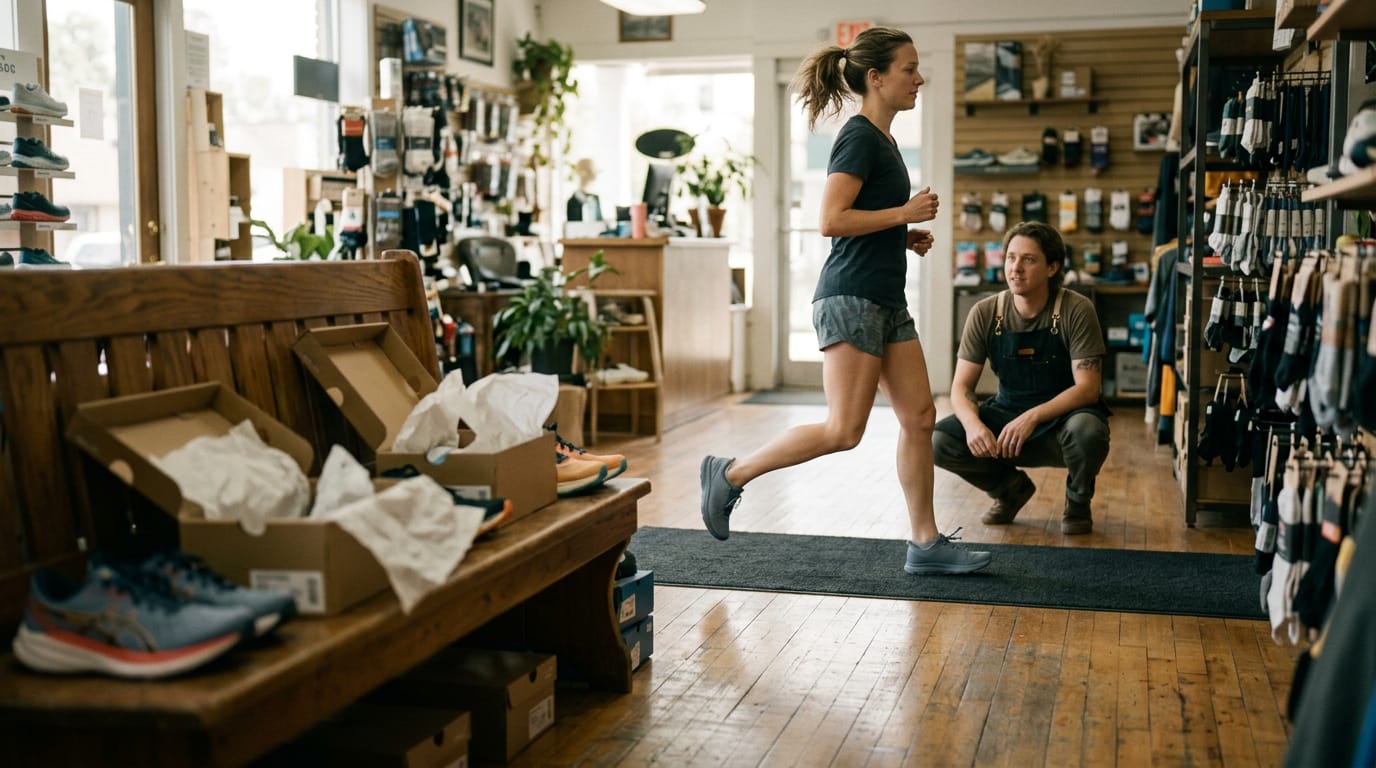
The clearest answer comes from a gait analysis at a specialist store, where staff watch how your foot lands and rolls. Fit beats brand.
What You’ll Pay and When to Save
The price you pay depends on what you buy and when you buy it, so here’s how to read the numbers.
What a typical pair costs
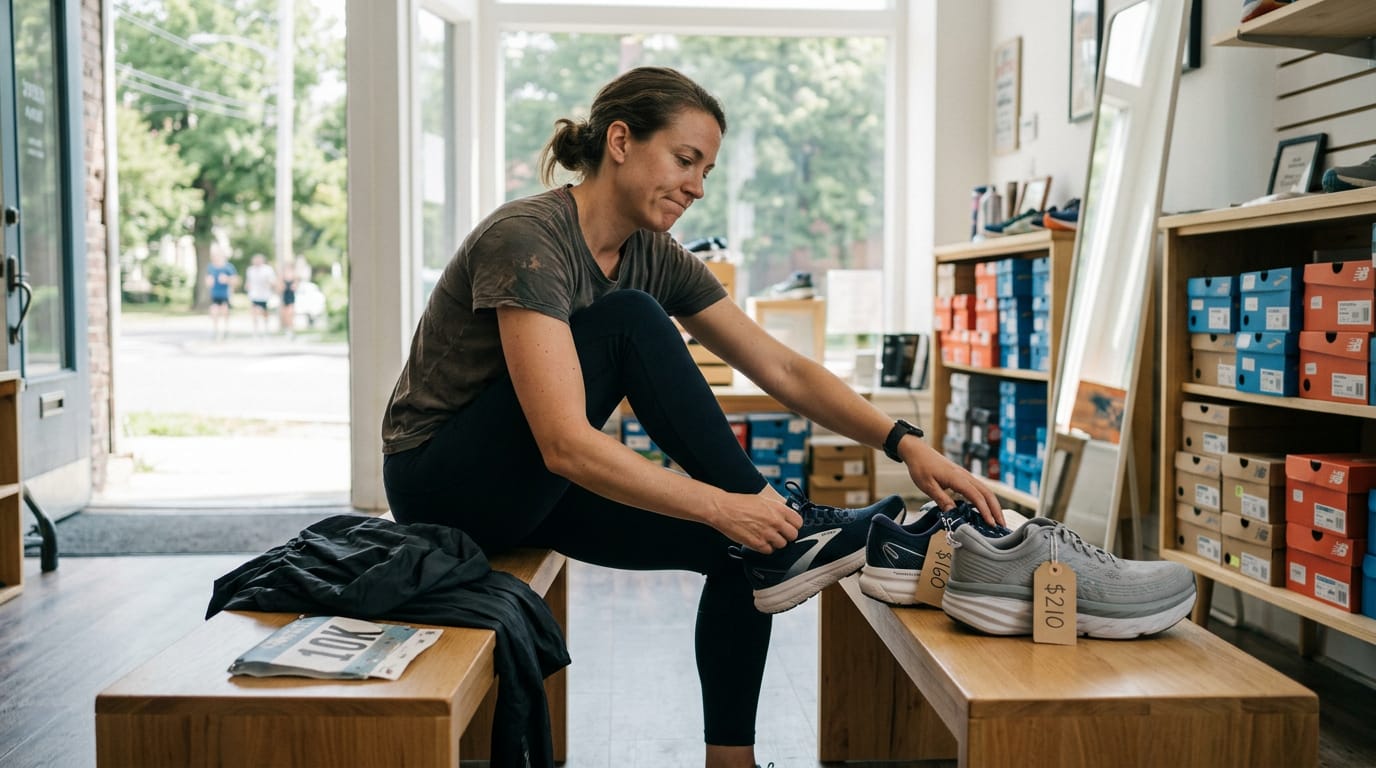
Most stability models fall in the $140 to $180 range, and that’s the benchmark to measure everything else against. Premium max-cushion models cost more than that. Think of a weekend runner training for a 10K who wants a plush ride on long Sunday miles.
That upgrade only pays off if she’ll use the extra cushioning. Compare value against direct competitors in the same tier. Good value isn’t the lowest sticker price. It’s the right support for what you pay.
Save on last year’s models
The newest version isn’t always the smarter buy. Look for percent-off tags on current stock, and check previous-generation clearance once a new model hits the shelves.
You’ll find discounts on Brooks, ASICS and Hoka, so compare those brands side by side before you commit. Picture a parent buying for a teenager who already runs in stability shoes.
If last season’s pair fit well, last year’s version is the lower-risk buy. Fit still comes first.
Which widths and sizes are available
Width matters, so check it before you check out. Here’s the breakdown:
- Men’s widths: D, 2E and 4E
- Women’s widths: B and wide D
- Wide options: noted per model, so check the listing
- Size by color: availability varies, so a size gone in one colorway may be in stock in another
Consider a runner who needs a wider 2E fit but only finds the bright colorway in stock. Switching to the other color in the same width gets the right fit in one trip. Width first, color second.
How Stability Shoes Have Changed over Time
Stability shoes didn’t always feel the way they do today. Here’s how the category moved from heavy correction toward lighter support, and why that matters at the shop counter.
Moving from heavy control to lighter support
Older stability designs worked like a fix. Past maximalist setups piled on heavy, rigid parts to hold the foot in line, mainly to address overpronation, the inward rolling of the foot with each step.
According to Healthline’s overpronation guide, these shoes were often labeled “motion control” and came with extra arch support and cushioning.
Modern stability shoes are lighter. They offer support rather than control, and they don’t try to force your stride into a new shape. Consider a weekend runner training for her first 10K with flat feet.
She wants a shoe that steadies her foot without the clunky feel of an old-school setup, and lighter support gives her that while her natural stride stays intact. Less correction. More support.
How the stable neutral category took off
Reviewers gave the category its name. A stable neutral shoe is a neutral design with added stability, a description used in a PMC article on running shoes for preventing lower limb running injuries in adults.
Maximum cushioning became the norm across the category, so stability features had to work alongside much thicker midsoles. As shoe stacks have grown taller, companies have worked to maintain stability in their designs.
For you, that balance decides whether the extra cushion helps or just adds bulk.
The name tells you the design. Your feet tell you the fit.
Stability shoes do their best work when they fit your foot, match how you actually run, and still feel right after months of miles. Test a pair on a real run, not just a quick walk down the aisle, and replace them before the support fades.
The right pair keeps you moving comfortably through the miles you already love.
Good support disappears once you’re running. That’s exactly the point.
References
- Frontiers | The effects of running shoe stack height on running style and stability during level running at different running speeds — frontiersin.org (2025)
- Running shoes for preventing lower limb running injuries in adults — pmc.ncbi.nlm.nih.gov (2022)
- Overpronation: Identification, Management, and More — healthline.com
Questions
Who are stability shoes good for?
Stability shoes are suited to runners whose feet roll inward excessively with each step, a motion called overpronation, and who want extra support. They can also work well for daily training, easy runs, long runs, and walking when the fit feels comfortable and steady.
Are Brooks or HOKA better for knee pain?
Neither Brooks nor HOKA is automatically better for knee pain. The best choice depends on fit: try models from both brands and choose one that holds your heel securely and feels comfortable during a short jog. If knee pain persists, consult a physical therapist.
Are my running shoes causing calf pain?
Yes, running shoes can contribute to calf pain, particularly if the pain began after switching to a shoe with a different heel-to-toe drop. Compare the drop of your new shoes with your previous pair; a specialist-store gait analysis may also help identify fit or stride issues.
Is too much cushioning bad for feet?
No, cushioning is not inherently bad for your feet. The important thing is whether the shoe feels steady and supports your stride; overly soft cushioning that lets your foot sink or roll inward may provide less stability.
Sources
- Overpronation: Identification, Management, and More, healthline.com
- Frontiers | The effects of running shoe stack height on running style and stability during level running at different running speeds, frontiersin.org,
- Running shoes for preventing lower limb running injuries in adults - PMC, pmc.ncbi.nlm.nih.gov,
Find your level
The Counter