Running
Starting
A neutral daily trainer fitted in a store or by size chart; two or three pairs of synthetic or merino running socks (no cotton); a phone app for time and distance. Skip the watch for now.
A free buying guide, sport by sport
The Counter
The advice a good sports shop gives across the counter, written down: what you need when you start, what to add once you play every week, and what earns its price when you get serious.
Every sport on The Counter is split the same way. Pick the level that matches how you play this season, not the one you hope to reach by next year.
Your first season, or your first in a while. The few things you really need, what to borrow or buy used, and how each should fit. Most of the money saved here is on things you can skip.
You play most weeks and know what you like. What is worth upgrading first, what to add, and where the mid-range does the job as well as the flagship.
You race, compete or train to a plan. Where the top of the range earns its price, when a proper fitting pays off, and what is worth keeping a spare of.
Each sport gets its own list at each level, with fit notes, what lasts and what to skip. Every pick links a retailer, so you can check today’s price and buy where you like.
1 of 7
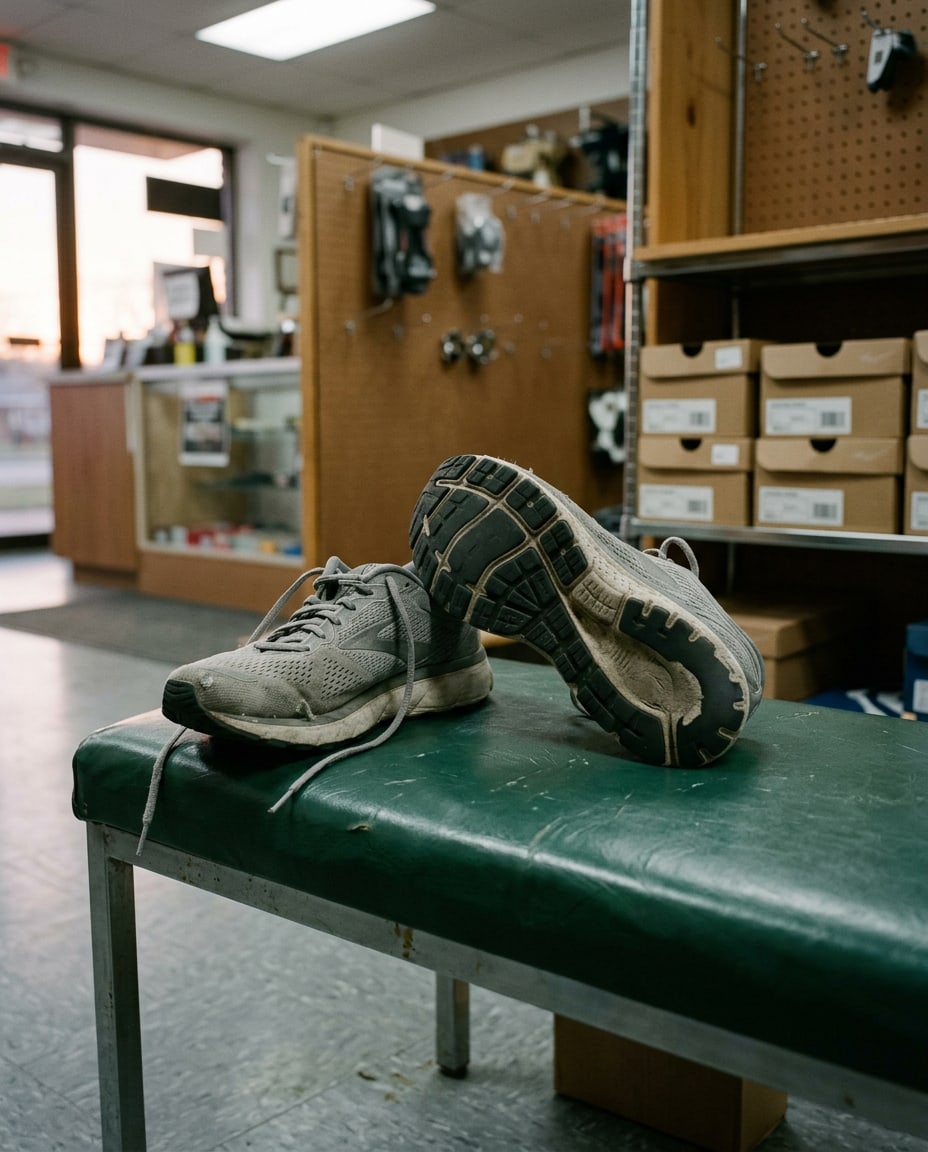
Most new runners need one good pair of shoes and the right socks, and nothing else for the first few months.
Running
A neutral daily trainer fitted in a store or by size chart; two or three pairs of synthetic or merino running socks (no cotton); a phone app for time and distance. Skip the watch for now.
Running
A second pair to rotate (a lighter tempo shoe or a different daily trainer); a GPS running watch; a wind or rain shell; a light or reflective vest for runs in the dark.
Running
A race-day plated shoe kept for races and key sessions; a trail shoe if you run off-road; a hydration vest or belt for long runs; a chest-strap heart-rate monitor if you train by heart rate.
2 of 7
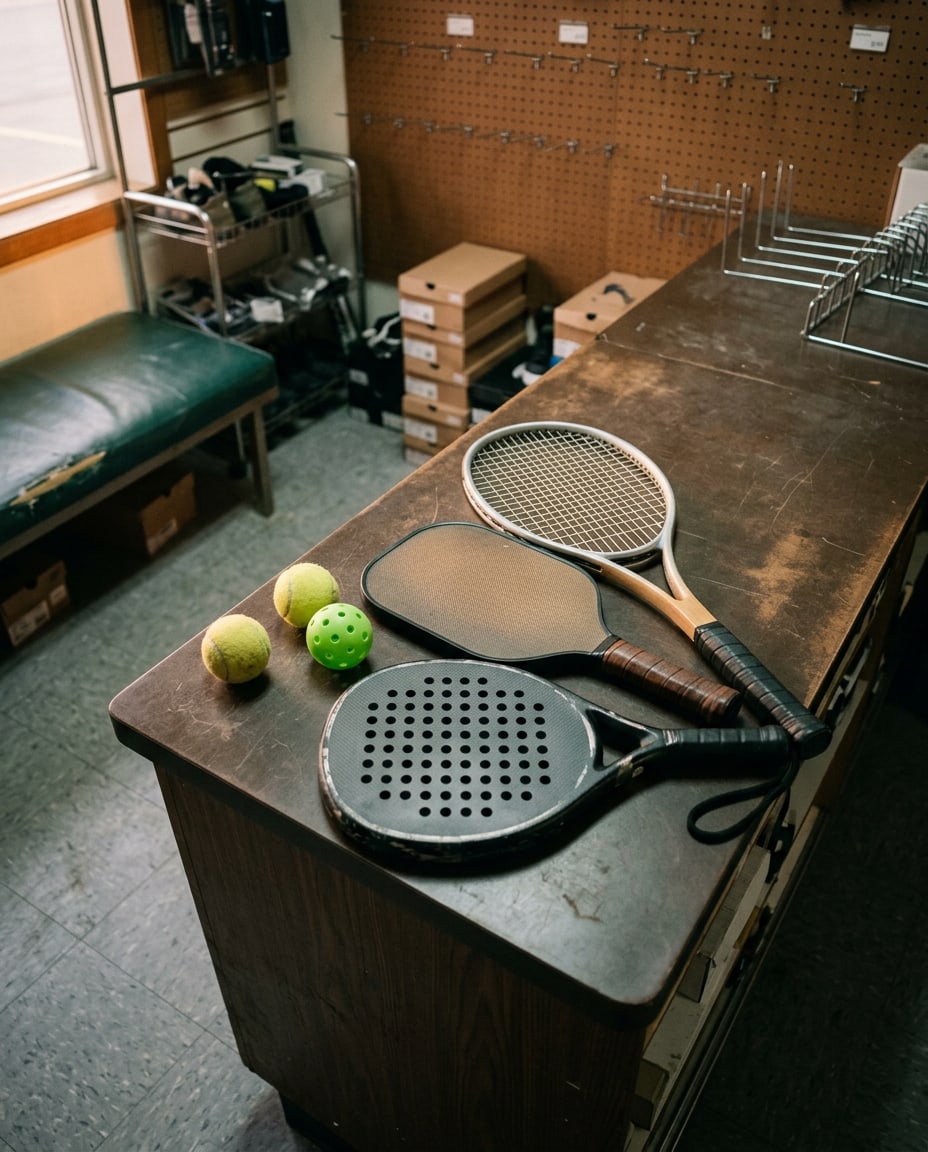
The most common mistake at the tennis counter is a racket that is too heavy and too small for the player holding it.
Racket sports
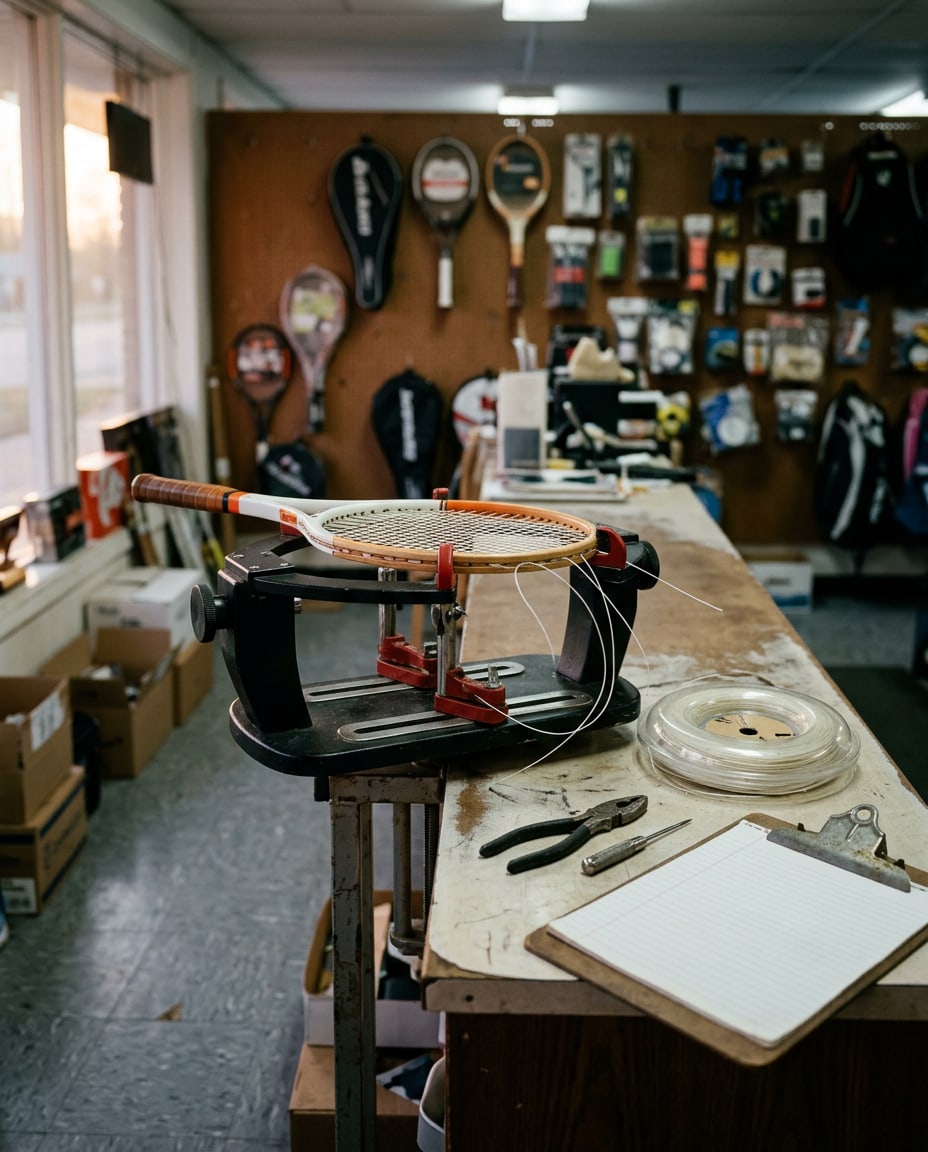
Tennis: a light, forgiving racket of about 100 to 110 sq in with a soft multifilament or synthetic gut string. Pickleball: a midweight paddle with a polymer honeycomb core. Padel: a round racket with a soft foam core. Court shoes for your surface, not running shoes.
Racket sports
Tennis: a racket demoed before you buy, usually about 98 to 105 sq in, most often 100, and restringing on a schedule. Pickleball: a paddle chosen for control or power, demoed where possible. Padel: a teardrop-shaped racket. Overgrips and a bag.
Racket sports
Tennis: a second identical racket strung the same, and strings chosen for your game and kind to your arm. Pickleball: a paddle on USA Pickleball’s approved list for sanctioned events. Padel: a diamond racket only if your game is built on power. Eye protection.
3 of 7
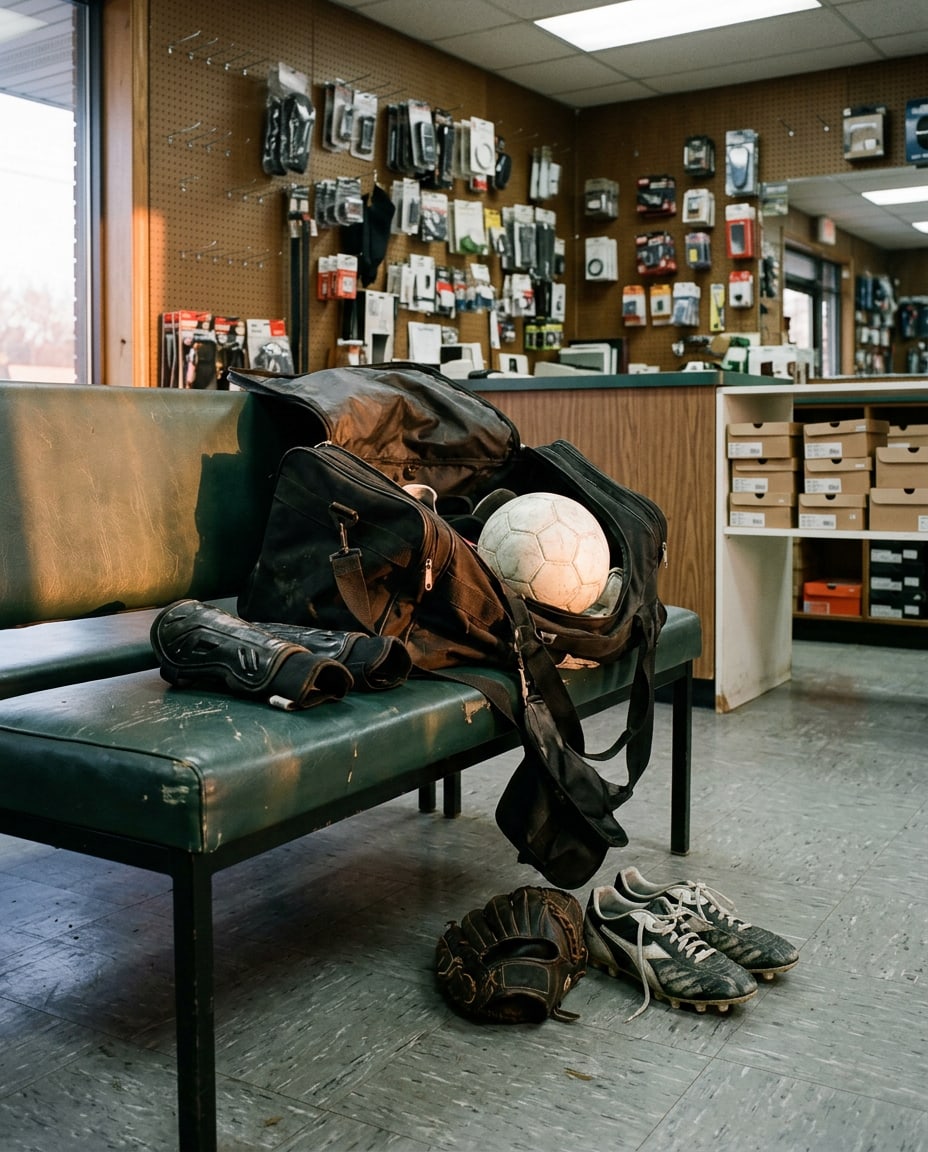
Soccer needs very little gear, which makes the little it needs matter. Baseball and softball gear starts with the rules: a bat without the right stamp cannot be used, however good it is.
Team sports
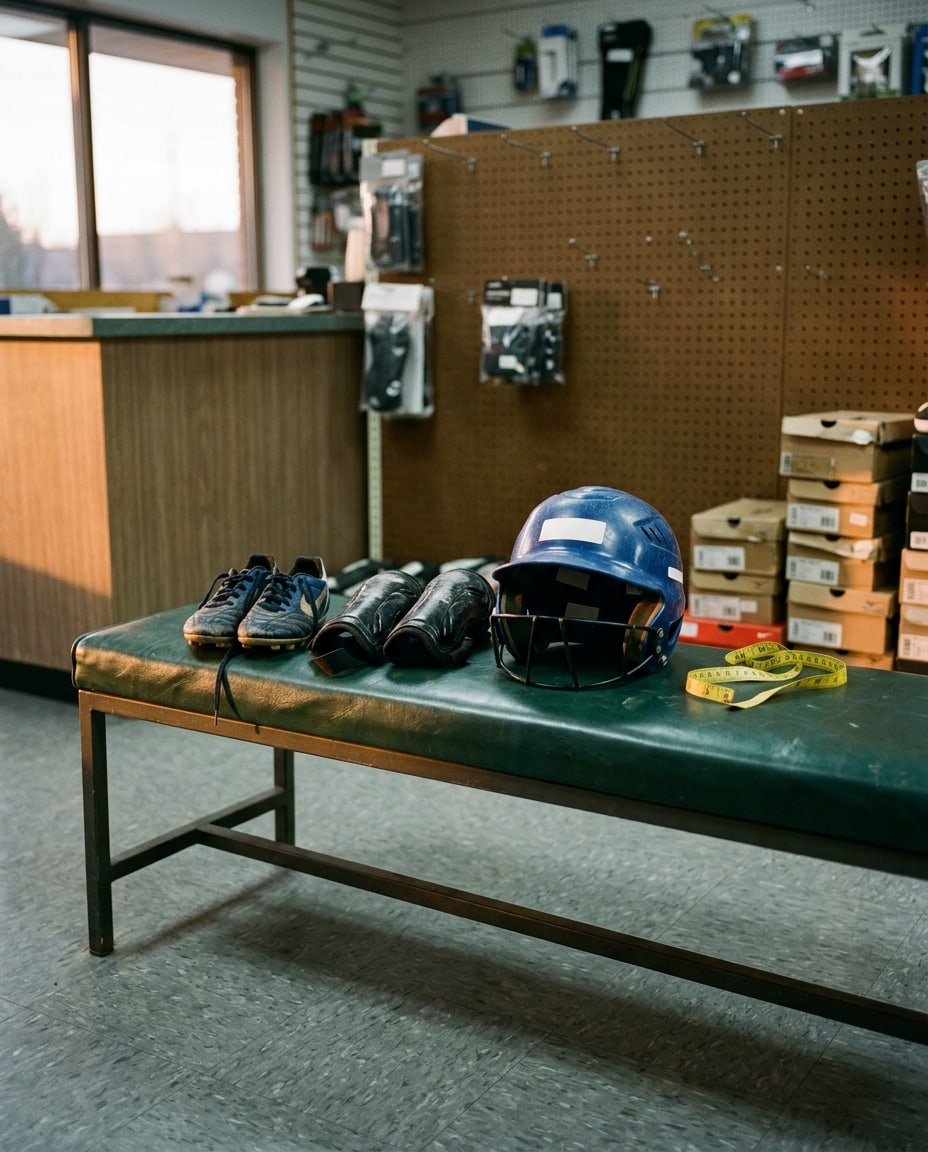
Soccer: molded cleats for the ground you play on, shin guards sized by height and a ball in your league’s size. Baseball and softball: a glove sized for age and position, a bat with the stamp your league requires, a helmet that meets its standard and cleats.
Team sports
Soccer: a second pair for the other surface you play on, goalkeeper gloves if you play in goal and a ball for practice at home. Baseball and softball: a glove broken in and cared for, batting gloves, a bat bag and a bat chosen after swinging a few.
Team sports
Soccer: soft-ground cleats for wet grass if your league allows them, and an upper chosen for touch. Baseball and softball: a glove or mitt for your position, a bat in alloy or composite chosen for your swing and your league’s rules, and catcher’s gear sized properly.
4 of 7
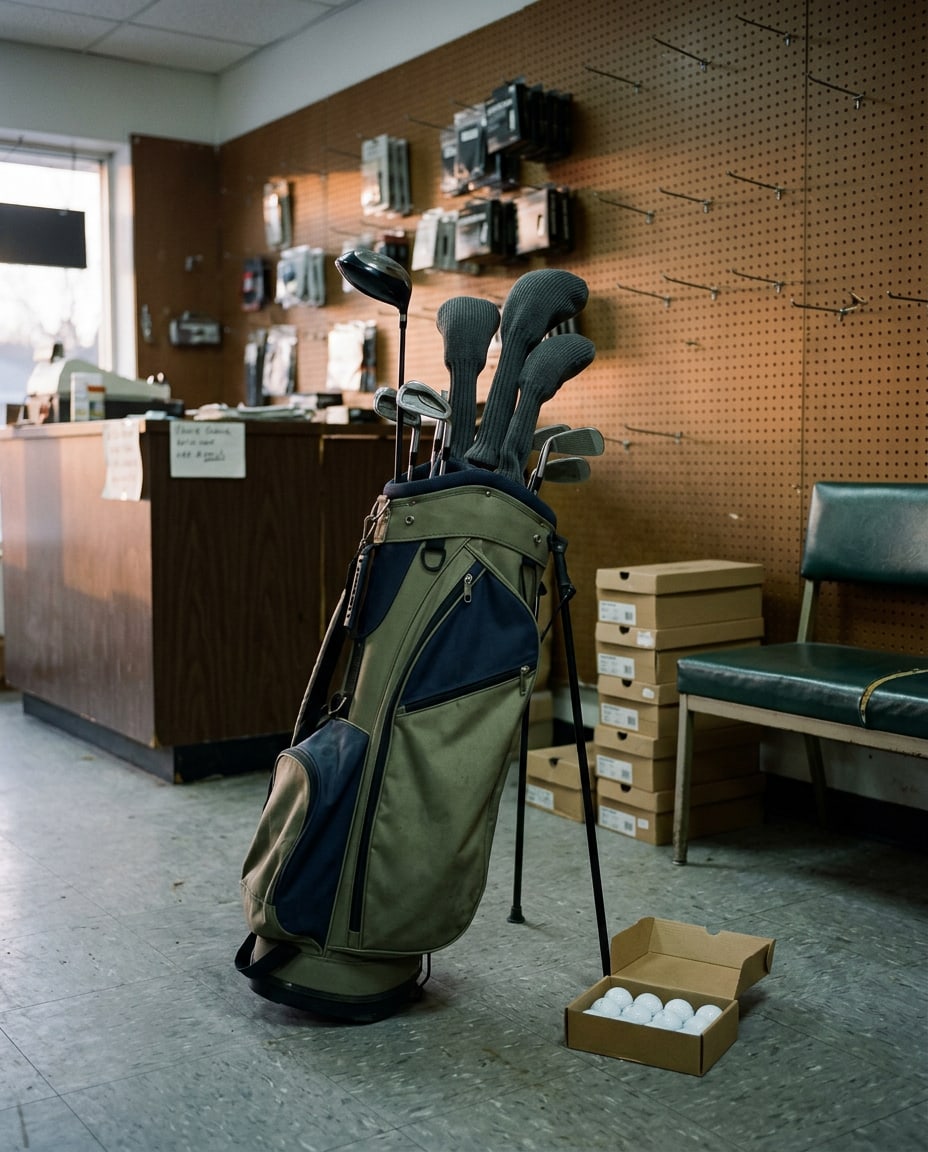
Golf is where the gap between the player and the box is widest.
Golf
A half set or a complete starter set (a driver or fairway wood, a hybrid, a few cavity-back irons, a wedge and a putter); used or practice balls; a light stand bag; a glove.
Golf
A fitting for lie angle, shaft flex and length; hybrids in place of long irons; a ball matched to your swing speed; a rangefinder or GPS device; golf shoes.
Golf
A full fitting from driver to wedges; wedges chosen for loft gaps and bounce; a launch monitor or net for practice at home. The Rules of Golf allow 14 clubs in the bag.
5 of 7
What a commuter needs is not what a racer needs, and the bike is only half the bill.
Cycling
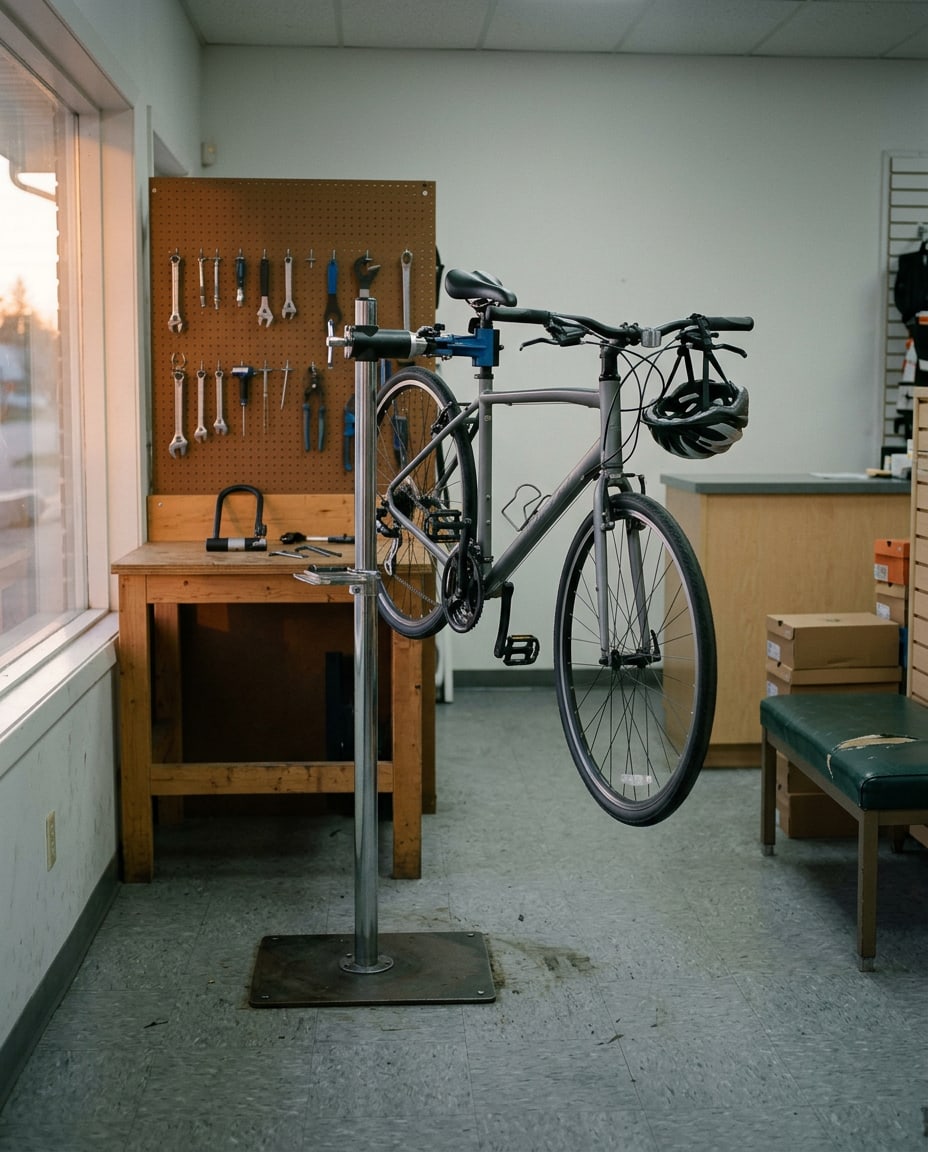
A hybrid or comfortable road or gravel bike in the right frame size, new or used and checked by a mechanic; a helmet carrying the CPSC label (required for bike helmets sold in the US); front and rear lights; a good lock; a floor pump.
Cycling
Padded shorts; flat pedals with grippy shoes, or clipless pedals and shoes; a saddle that suits your sit bones; a bike computer or phone mount; a basic tool and spare-tube kit.
Cycling
A professional bike fit; a road or gravel bike chosen for its gearing and tire clearance; an indoor smart trainer; a power meter if you train by power.
6 of 7
A home gym is sized by the room, not the catalog.
Home gym
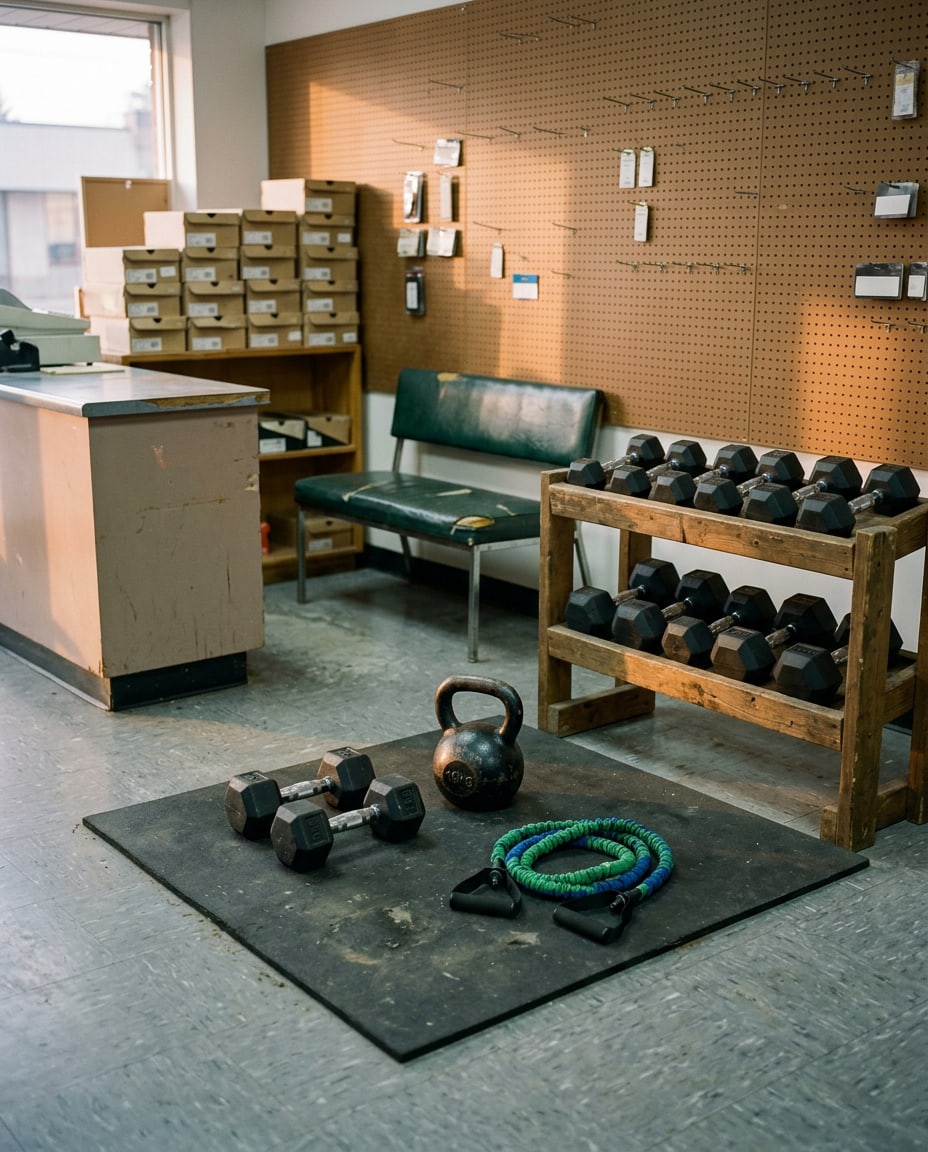
A pair of adjustable dumbbells or one or two kettlebells; a set of resistance bands; an exercise mat; training shoes with a flat, stable sole.
Home gym
An adjustable bench; a doorway or wall-mounted pull-up bar; heavier dumbbells or a second kettlebell; rubber floor tiles under the weights.
Home gym
A power rack or squat stand with safety arms; an Olympic barbell and bumper plates; a rack’s rated capacity checked against what you lift; a cardio machine only if you will use it more than a clothes rail.
7 of 7
Parents buy more sports gear than anyone, and most of it is outgrown by spring.
Kids’ gear
The league or club’s equipment list first; anything borrowable borrowed, or bought used through a swap; only the protective gear the sport requires, fitted now; shoes or cleats with a little room at the toe.
Kids’ gear
Their own glove, cleats or racket in the right youth size (junior rackets by length, bats by height and weight, sticks by height); a bag they can carry themselves; a spare pair of socks for every bag.
Kids’ gear
For travel and club teams: gear that meets the league’s rules exactly (bat stamps, helmet standards); a fitting for skates or cleats at each growth spurt; no adult-level gear until the player has outgrown the youth range.
How it works
The Counter is our buying guide, one sport at a time. Each sport has three short lists, for starting, regular and serious players: what you need, what you can skip, how each piece should fit and what tends to last. The picks we would hand you across the counter are on the Gear page, each with a link to a retailer, and the guides on the blog go deeper on any one of them. We earn a commission when you buy through those links; the price you pay is the same.
Yes. There is nothing to sign up for and nothing to pay. Read it, take the list to any store, or buy through our links.
Through affiliate links, and through ads on the site. When you buy something through a link on The Counter or in our guides, the retailer may pay us a commission; the price you pay is the same. A commission never decides a pick: we would rather send you to the cheaper pair that fits. Sponsored articles, when we run them, are labeled as sponsored.
No. Fordham Sports is a publication, not a store: no shop, no stock and nothing to ship. The retailer you buy from handles the price, delivery and returns.
Gear prices change by the week and by the retailer, so we link you to the current one rather than print one that is out of date. Where it matters, we say whether a pick is a budget, mid-range or top-of-the-range buy.
Go by how you play now. New, or coming back after years away: Starting. Playing most weeks and you have worn out at least one piece of gear: Regular. Racing, competing or training to a plan: Serious. When in doubt, pick the lower level; you can upgrade once you know what you want more of.
No, and we will not pretend to. Picks are chosen from makers’ specifications, fitting guides, league and governing-body rules and, where our writers have it, their own use; each guide says which. We do not run a test lab or give lab scores.
Clothes, and some shoes, can take a little growth room. Helmets, pads and other protective gear cannot: they only protect when they fit now. Each sport’s list for kids says which is which.
No. Fordham Sports is an independent gear publication with no connection to Fordham University or its athletics teams, and no brand, league or retailer we cover endorses us.
From the counter
Our picks for every sport and level in one place, each linking a retailer. Read the fit notes first, then check the price.
See the gear