Squash vs Racquetball: Key Differences Compared
Squash vs racquetball: Compare court layouts, ball and racket differences, and scoring rules to choose the game and beginner gear that fit you.

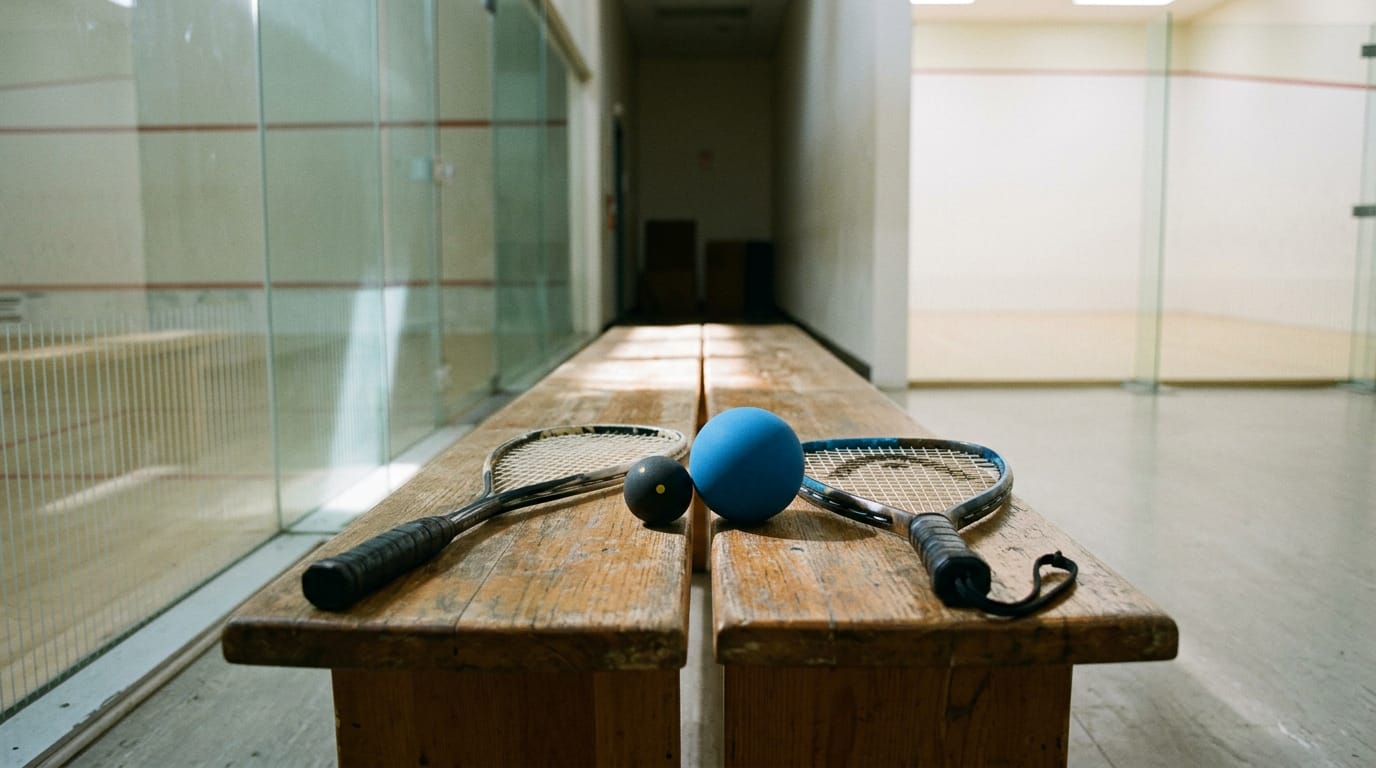
Two sports can look almost identical from the stands: a small ball, a racket, and a court with walls on every side. Squash and racquetball fit that description, so it’s easy to assume one is just a slightly different version of the other.
Here’s the short answer: they share a lot of common ground, but the ball, racquet, court, and scoring each pull the game in a different direction.
We’ll compare them side by side, then get practical about which racquet, ball, and shoes make sense for where you are right now.
How Squash vs Racquetball Are Related
Ever heard someone say they’re “going to squash” when they meant racquetball? That mix-up says a lot about how these games sit side by side.
What the different names mean
Part of the confusion comes from the names themselves:
- Racketball: another spelling of racquetball, and the name that often gets swapped with squash in casual talk.
- International version: squash is often called the international version of racquetball, so one family of game goes by two names.
- British term: racketball is a British term, so the name shifts depending on which side of the Atlantic you’re on.
So where did squash originate? The British connection is the clearest clue, since that usage hints the game’s roots run through Britain.
Where the sports overlap and diverge
Racquetball and squash are closely related racquet sports, both built around hitting a ball off the walls. Both games grew from the same wall-and-ball play, which is why a player who knows one will find the other familiar. Is wall ball the same thing?
No. It’s usually a solo drill, so the only real overlap with racquetball is the ball and the wall.
Because the courts are similar, the same space can serve either game. Picture a weekend player who books a gym court, sees “squash” on the schedule and “racquetball” on the sign-in sheet.
A quick check of the booking keeps her from bringing the wrong racket.
Still, the two games have their own feel and their own regular players. It’s less about the name and more about the court you’re standing on. Same walls, different game.
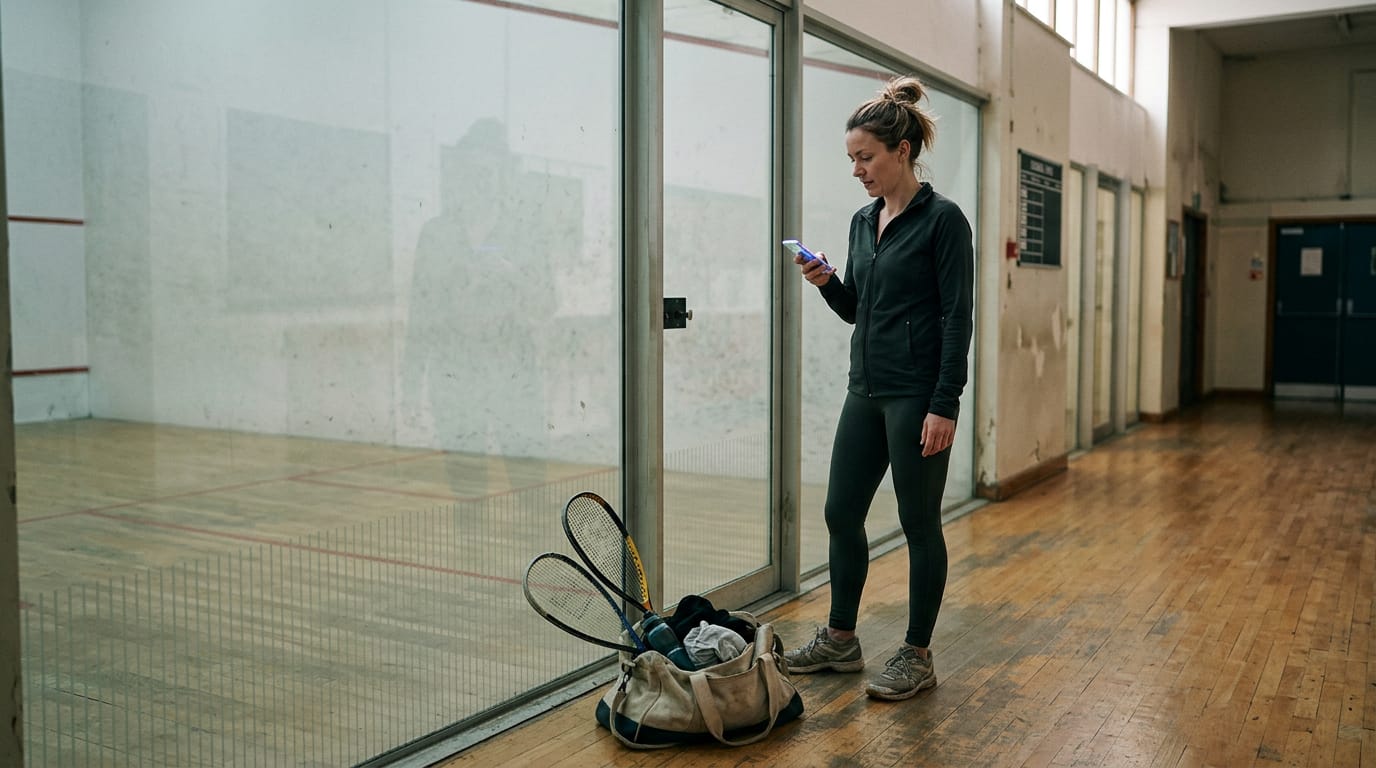
How the Courts and Play Differ
Before you buy, it helps to know which box you’ll be standing in and how the game moves inside it. The court shapes the rallies, and the rallies shape the gear you’ll want.
How big each court is
A squash court is the smaller of the two. A racquetball court dimensions guide puts it this way: a racquetball court is 8 feet longer and 1 foot narrower than a squash court, and it’s the taller box. So racquetball courts are larger overall.
If you’re picturing the American racquetball court specifically, a squash court dimensions guide gives the numbers. It’s 40 x 20 feet (800 square feet) and 20 feet high, larger than the 32 x 21 foot squash court.
As for other games on a squash court, the sources we have only cover squash itself, so we won’t guess at others. Squash is the game this court is built for, and racquetball is the one to compare, since it plays on that larger, taller box.
How fast each game plays
Squash is less about power and more about precision, with strategy and agility doing much of the work. Squash rallies run long, so the game rewards patience.
Think of a weekend player who books an hour after work and spends most of it waiting for the one open corner. She wins by staying sharp, not by swinging harder.
Racquetball rallies are shorter, and the game leans more on power. Its ball is bouncier, which makes for a less explosive game overall.
Is racquetball a good workout? Yes, it can be. Shorter rallies still mean quick bursts of movement and hard swings, and that adds up fast.
The Gear That Sets Them Apart
Squash and racquetball look alike from the bleachers, but the gear makes them feel like different games. Here’s how the ball and racquet shape your play, plus the eyewear and shoes that round out your kit.
How the ball changes the game
The squash ball is small with a low bounce, so it stays near the floor and rewards quick feet and compact swings. The racquetball is larger and bouncier, so it climbs off the walls and gives you a bigger ball to track.
Softer balls bounce higher, so your ball choice changes every rally. Ball size drives the character of the game, deciding whether rallies stay low and tactical or open up into high, fast exchanges. Size sets the pace.
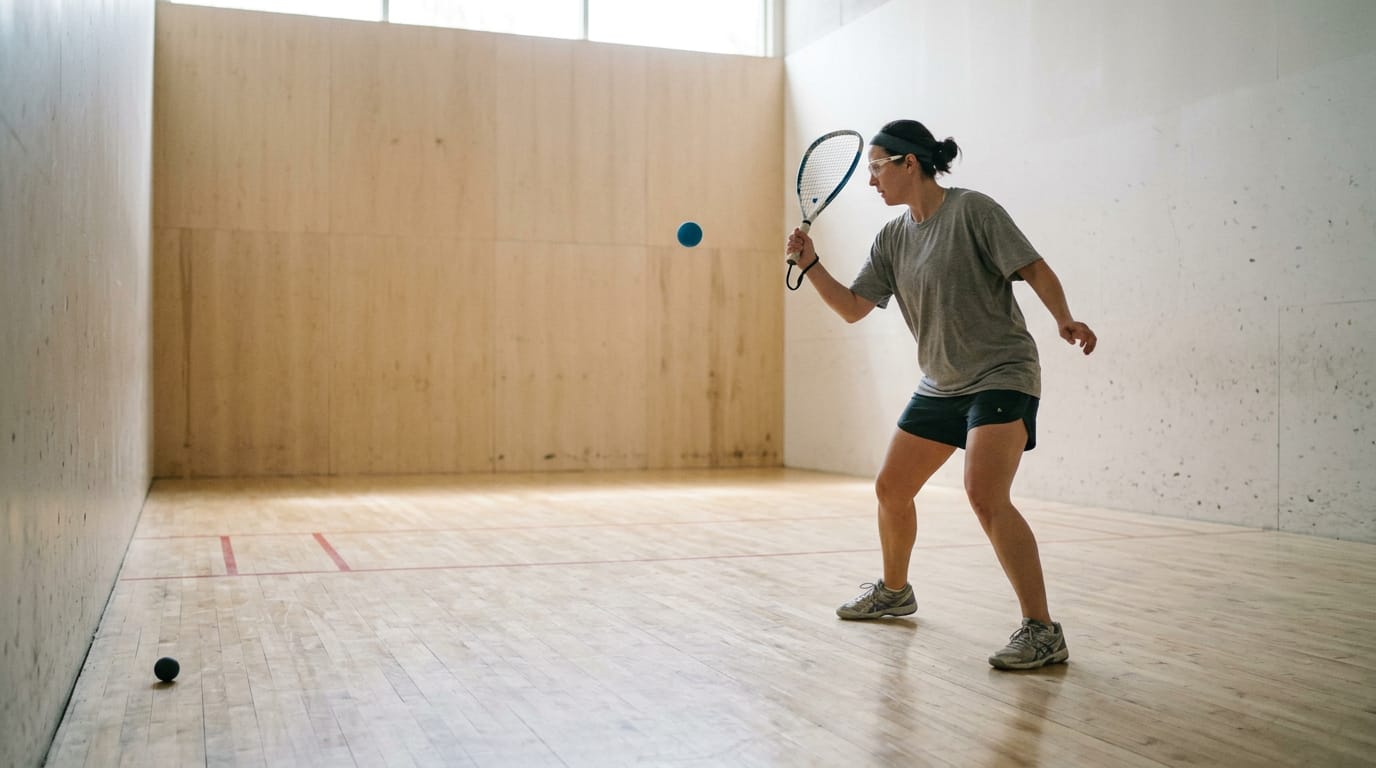
How racquet size and weight differ
Squash racquets are longer and thinner, which gives you reach into tight corners. Their smaller head demands precise contact on a fast, low ball, while racquetball heads are slightly larger and leave a little more room for off-center hits.
Both are built for placement rather than power, so you win points by aiming, not muscling.
Think of a weekend racquetball player trying squash for the first time. Her full swing keeps mis-timing the small squash ball. Once she shortens her swing and aims for control, her rallies last longer.
Match weight and balance to your level:
- Beginners: a lighter frame that’s easy to swing through a whole match.
- Improving players: a bit more weight once your strokes get steadier.
- Advanced players: a heavier frame with balance that suits your own swing.
Eyewear protects your eyes when the ball moves fast in a small space, and shoes with non-marking soles keep the court floor clean.
What Are the Rules to Play Racquetball?
The basic racquetball rules come down to who can score and how a game ends. From the stands, squash and racquetball look alike, but their rulebooks split in a few key places.
Who can score a point in each
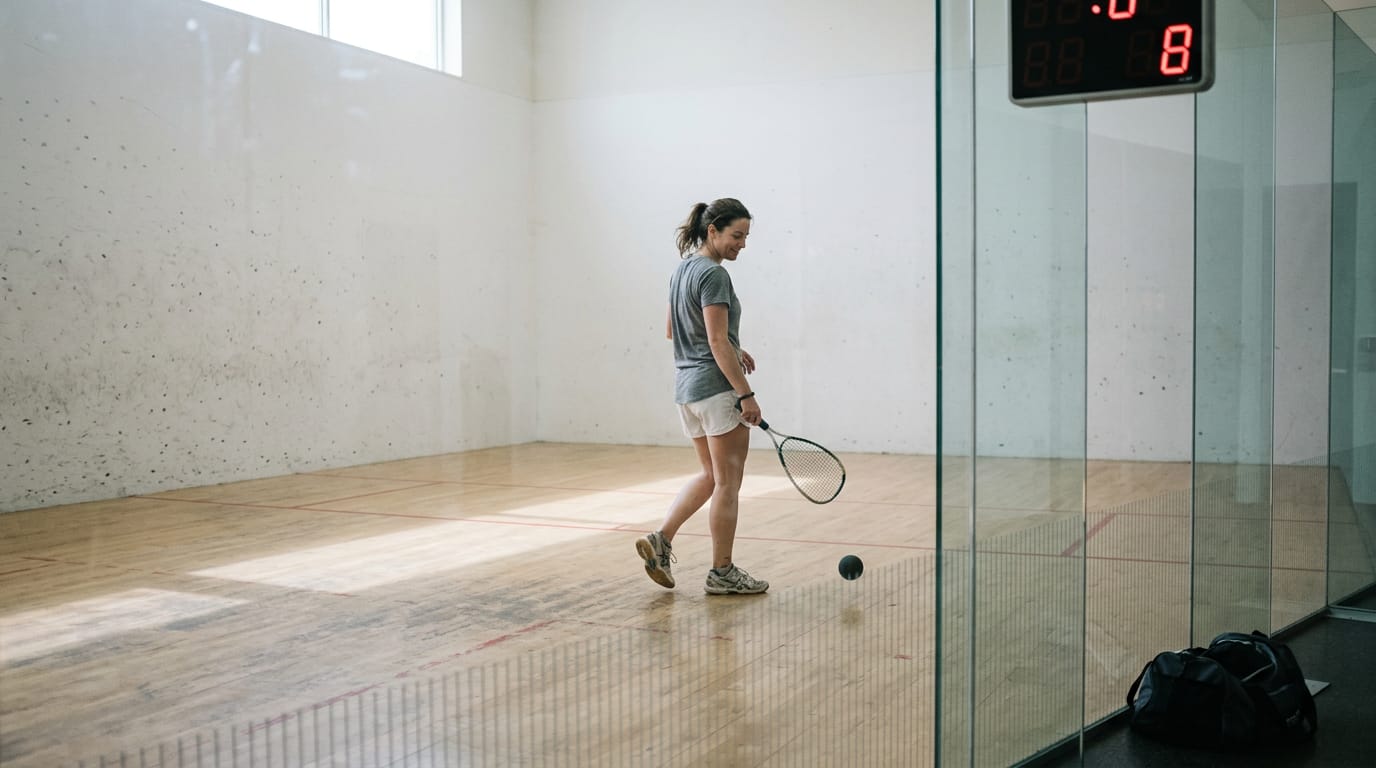
In squash, only the server scores, but in racquetball, both sides do. Think of a weekend player who wins a rally while receiving serve in racquetball. She picks up a point right away, so the scoreboard keeps moving.
In squash, that same rally wouldn’t count for her. Same rally, different scoreboard.
Games are played to nine or eleven points, and you need a two-point winning margin to close one out.
Which bodies govern each sport
Squash is governed by the World Squash Federation (WSF), known in its own communications as World Squash, the sport’s International Federation.
That gives the sport standardized international rules, so a match in one country plays out the same way as a match in another.
Racquetball is different. It has a separate governing body, so its rules come from a different source than squash’s.
Starting Out and Picking the Right One
Most people ask which sport they can pick up fastest. Here’s how the two compare, then who each one suits best.
How easy each sport is to learn
Squash is harder for beginners, while racquetball is easier to start. Squash asks more of you right away, so expect a steeper climb. Racquetball gives new players a few advantages:
- Larger court and ball. More room and a bigger ball make the early game easier to manage.
- Simpler scoring. Less to track means more attention on your swing.
Easier to start doesn’t mean easy to master. Racquetball still has its own challenges, so plan on real practice either way.
Starter kit and budget. Keep your first purchase lean: one racket, a few balls and court shoes you can afford. Upgrade once you know you’ll stick with it.
Who each sport suits best
Racquetball is especially attractive to squash and tennis players, who already have racket skills to bring along. It also suits the long haul: according to the European Squash Federation, playing racquetball can help players extend their playing careers.
Racquetball is also less stressful than squash. Think of a tennis player whose knees have started to complain after hard sprints. Switching lets her keep a racket in hand and her weekend game with friends.
Choice depends on preference and skill. Ask yourself what kind of game you want and where you’re starting from:
- Preference. If you want the tougher challenge, squash is calling your name.
- Skill. If you’re building from scratch, racquetball is the friendlier entry point.
Pick the one you’ll keep showing up for.
Squash and racquetball share the same basic idea, but the ball, racquet, court, and scoring set each game apart. Once you see those differences, the choice gets a lot clearer.
Buy for the player you are today. Pick the ball, racquet, and shoes that match your current level and how often you’ll really play, and you’ll avoid paying for features you won’t use.
The right gear should fade into the background once you start playing. That’s the whole point.
References
- Racquetball Court Dimensions: Floor, Walls, Lines and Zones — sportsfoundation.org (2026)
- Squash Court Dimensions: Floor, Wall Lines and Tin Height — sportsfoundation.org (2026)
- World Squash to relaunch World Squash Day on 11 October 2025 — worldsquash.sport (2025)
- European Squash57 Racketball Cup: What you need to know — europeansquash.com (2026)
Questions
What are the rules to play racquetball?
Racquetball is played by hitting the ball against the front wall so it bounces back into the court; players take turns returning it before it bounces twice. Either side can score a point, including the receiver, and games are commonly played to 9 or 11 points with a two-point winning margin. Players also need to follow service rules and avoid interfering with an opponent’s shot.
Why is squash no longer popular?
Squash’s popularity varies by region, and it has not disappeared. It may receive less mainstream attention than larger spectator sports, while access to courts, limited media exposure, and competition from other activities can make it less visible. The sport remains active internationally and has organized clubs and competitions.
Why is racquetball not popular anymore?
Racquetball is less visible in some places because fewer facilities and clubs offer it, and it receives limited mainstream media coverage. Changes in recreation habits and competition from other sports may also affect participation. Its popularity varies by region, and it remains played in clubs and recreational settings.
Is racquetball easier than squash?
Racquetball is generally easier for beginners to pick up than squash. Its larger, bouncier ball and larger court can make early rallies easier to manage, while squash demands more precision and quick movement. Both sports take practice to master.
Where did squash originate?
Squash developed in England, with its roots commonly traced to 19th-century British schools, especially Harrow School. It evolved from earlier racket-and-ball games played against walls.
Is wall ball and racquetball the same thing?
No. Wall ball usually means a solo practice activity in which someone hits a ball against a wall, while racquetball is a formal sport with defined rules, a court, and opponents. Wall ball can help develop skills used in racquetball.
Is racquetball a good workout?
Yes. Racquetball can provide a vigorous workout through quick bursts of movement, repeated changes of direction, and forceful swings. The intensity depends on how long and actively you play.
What games can you play on a squash court?
A squash court is designed for squash, but it can also be used for solo wall-ball practice and, where space and equipment allow, drills or adapted games such as racquetball. Racquetball courts are larger and taller, so the smaller squash court may require modified play. Check the facility’s rules before using the court for another activity.
Sources
- Racquetball Court Dimensions: Floor, Walls, Lines and Zones, sportsfoundation.org,
- Squash Court Dimensions: Floor, Wall Lines and Tin Height, sportsfoundation.org,
- World Squash to relaunch World Squash Day on 11 October 2025 - World Squash, worldsquash.sport,
- European Squash57 Racketball Cup: What you need to know - European Squash Federation, europeansquash.com,
Find your level
The Counter