Golf Club Fitting Explained: What It Involves and Costs
Golf club fitting matches club length, shaft and grip to your swing. See what fittings cost, how to choose a fitter, and which clubs to fit first.
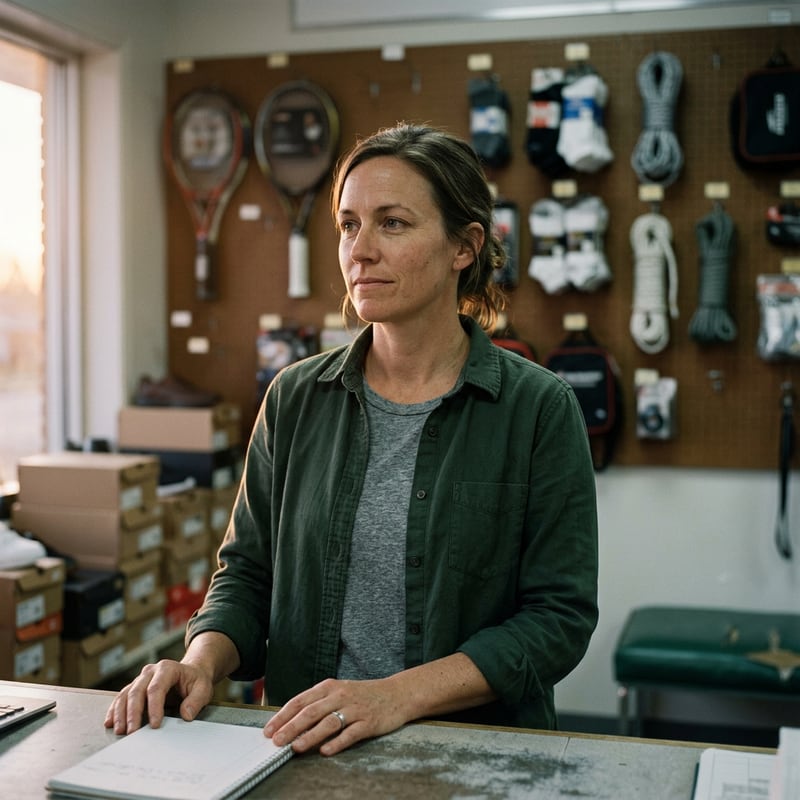
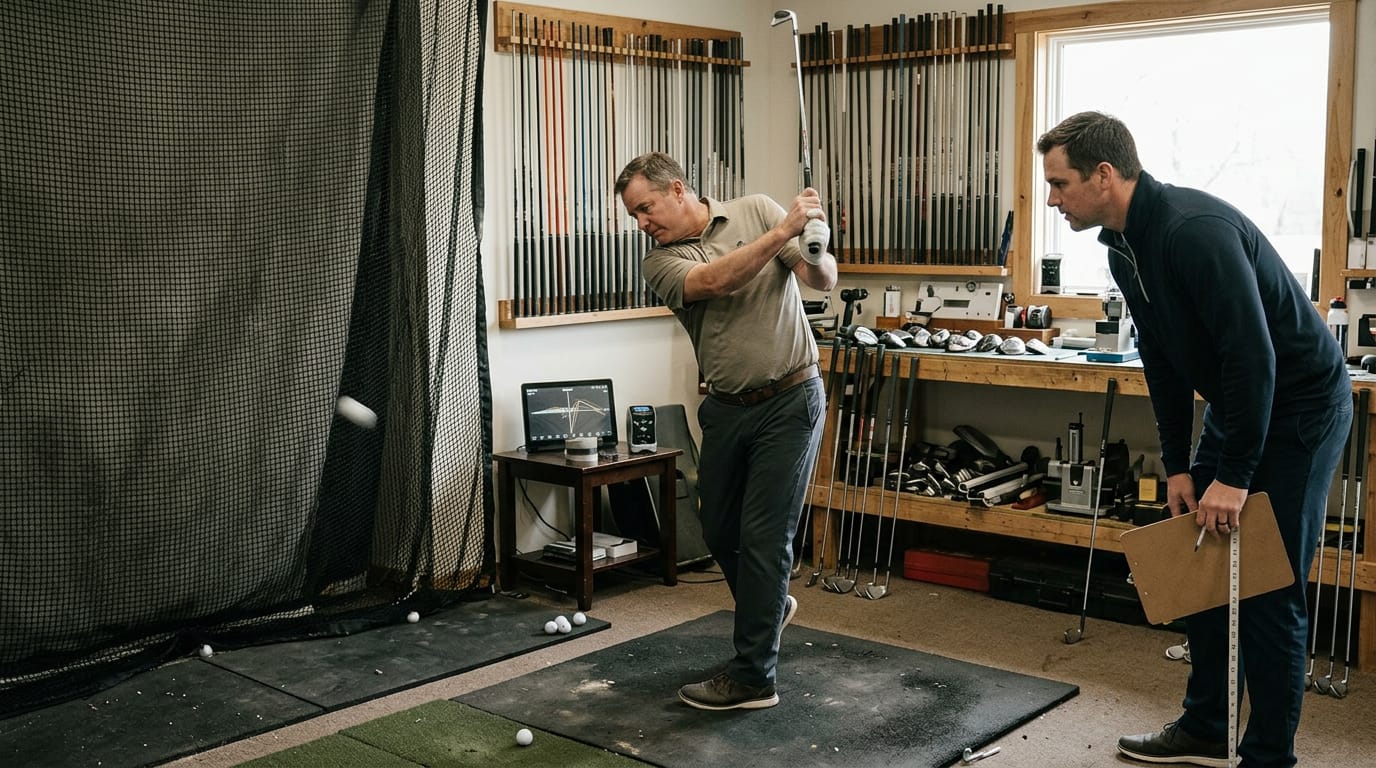
Picture buying a pair of jeans off the rack. Some fit fine, some gap at the waist, and a few look great until you sit down. Golf clubs work the same way, except the mismatch shows up on every shot.
A club fitting is a session where a fitter watches you swing and matches each club’s length, shaft and grip to how you actually play.
In this post, we’ll cover what happens during a fitting, what it costs, which clubs to fit first, how to book a fitter, and how to prepare. We’ll close with level-based advice on what to prioritize.
What Makes a Good Golf Club Fitting
A good fitting is about measuring your swing, not pushing a particular club. Here’s what to look for before you book.
Choosing from many brands, not just one
A good fitting draws on a wide range of manufacturers, so you aren’t locked into one brand. The brand-agnostic fitting matrix tests options across every maker, which matters with more than 70,000 head and shaft combinations in play.
The question is whether the club fits you, not whether it carries a familiar logo. Think of a weekend golfer insisting on her favorite pro’s driver. A good fitter tests what suits her swing and sends her home with a club she can actually control.
How launch monitors track each change
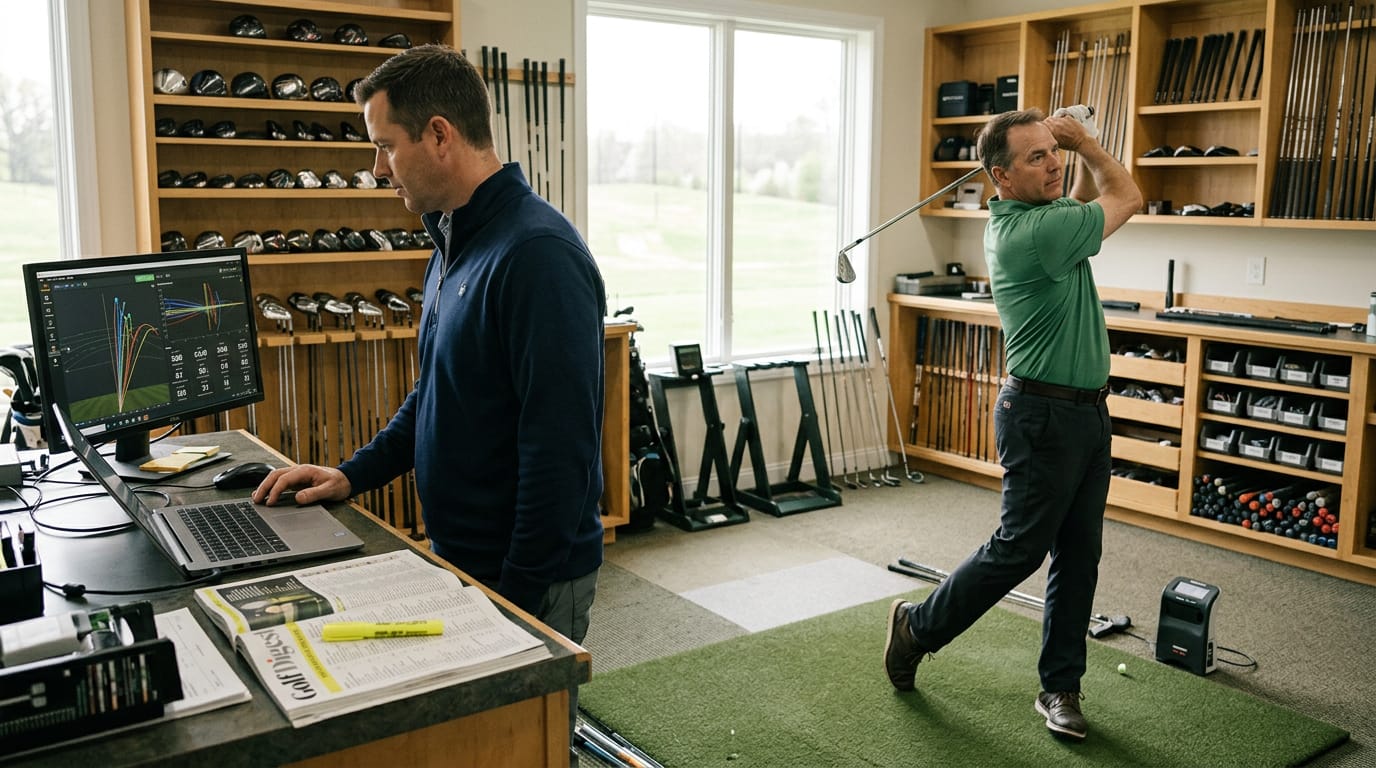
A launch monitor measures how the club and ball move at impact. A Foresight GCQuad quadroscopic monitor shows the effect of each tweak, so every change to a shaft or head comes with numbers attached.
It also averages your best and worst strikes, so one lucky swing doesn’t steer the decision. Feel matters, but numbers settle it.
How fitters listen and put you first
Look for certified master fitters, and expect them to listen more than they sell. A good one asks about your misses and goals before reaching for a shaft, and acts in your interest. Sometimes that means no purchase at all.
Consider a dad booking a session for his teenage son, who keeps missing shots to one side. The fitter listens, measures, and finds that a different shaft may be the fix. The dad leaves with a clear answer and without the new driver he’d planned to buy.
Indoor bays, outdoor turf and putting studios
Where you test matters as much as what you test. Fittings happen in a few settings:
- Indoor bays give you a controlled space for full-swing testing.
- Outdoor turf bays let you hit off real grass, closer to how you’ll play.
- Putter studio platforms are for dialing in putter fit.
Sessions are by appointment, so book ahead for the setting that matches the club you’re fitting.
Finding and Booking Your Fitter
A great fitting starts before you swing a club. It’s less about finding any fitter and more about choosing the right one.
Where the best clubfitters are ranked
The Golf Digest Best Clubfitters list is a solid starting point, covering more than 1,000 facilities reviewed.
Its picks come from nominations plus expert and subscriber polls, and the listings are broken out state by state so you can spot options near home.
Kinds of places that offer fittings
Fittings happen in four main settings:
- Independent local shops are the neighborhood option.
- National chains have locations in many towns.
- Golf courses and resorts often pair a fitting with a round.
- Performance centers focus on the fitting itself, with measuring gear and data.
Consider a weekend golfer chasing a driver that stops the hook. A resort fitting suits someone who wants to test clubs on the course, while a performance center suits someone who wants every number on screen.
Either way, you leave with a driver that fits your real swing.
How to book and get in touch
Most shops offer an online booking form, the fastest route. For questions, use the listed phone or email, and check hours before you go.
Chains often run multiple branded locations, so confirm which store has the fitting setup you want before you drive over.
How to prepare for fitting
Preparation is simple, and it pays off. Bring:
- the clubs you play now
- the shoes and glove you’d wear on the course
- the ball you usually use
Tell the fitter your typical miss and what you want fixed. Show up ready, and you’ll leave with real answers.
Packages, Services and What They Cost
Fitting isn’t one service at one price. You can book a whole bag, a few clubs, or a quick check on what you own, and each takes a different amount of time and money.
Fitting your whole bag or several clubs
For every club dialed in at once, book a full-bag fitting. Your options:
- Full bag with putter: every club, putter included.
- Full bag without putter: every club except the putter.
- Woods package: your driver and fairway woods.
- Driver and iron combo: your longest club with your irons.
- Iron and wedge combo: your approach and scoring clubs.
Buying off the rack gets a club built for an average golfer. A fitting builds around your swing, so you pay more up front for a club that suits how you play.
What club is best to get fitted for?
The best club to get fitted for is usually the one you use most or the one costing you the most strokes. Here’s what each option does:
- Driver: Your longest club, so a mismatch hurts on every tee shot.
- Fairway and hybrid: They fill the distance gaps between driver and irons.
- Iron: The bulk of your bag, so a good fit steadies the whole set.
- Wedge: Short shots, where small loft changes move your distances.
- Putter: Feel matters most, and length and lie decide whether your stance feels natural.
Fit the club you use most, not the one you wish you used. Think of a weekend golfer who keeps missing fairways with a driver that’s too long for a smooth swing. Fitting that driver first pays off on the very next tee box, and the irons can wait.

Gap checks, shaft swaps and coaching sessions
A gap analysis checks loft and lie across your set so each distance step is evenly spaced. A shaft-only retrofit swaps the shaft into a club you already own, handy when the head works but the feel doesn’t.
A coaching academy session pairs fitting with instruction. Smaller visits, smaller bills.
Fitting prices and how long they take
According to GOLF.com, fitting fees range from $125 to $475. The low end covers a shaft, gap analysis or wedge, and the high end covers a full bag session. Sessions run from 45 minutes to 3.5 hours, and each added club pushes you toward the longer end.
Promotions can trim the bill. A limited-time holiday bonus from True Spec adds 20 percent to gift card value, and those cards can cover fitting fees.
What Golfers Gain from Fitting
Club fitting pays off in a few clear ways, and the gains are about how you play, not just what you pay.
Why most golfers walk away satisfied
A recent Golf Datatech study, as reported in a guide for senior golfers, found that 94 percent of golfers were at least “satisfied” with their most recent fitting. Fitting is a big step up from buying off the rack, and the value is hard to argue with.
You’re paying for clubs built around your swing, not the average golfer’s.
How fitting improves your game
Fitting can help you find a driver setup with lower spin, and research on golf club fitting using robot machine data suggests a proper fit of the shaft and club head can increase ball flight distance.
Think of a weekend golfer blaming her swing for a season of wayward drives. A fitting might reveal the real culprit is shaft flex (how much the shaft bends), and a better match gives her a driver she can trust off the tee.
Fitting may also make your ball striking more consistent, and that consistency can help you score lower. A study of custom-fitted clubs versus “placebo” clubs found that fitting improves swing characteristics, though the gains vary by skill level.
The difference is often noticeable on the very first swing.
What other golfers say in reviews
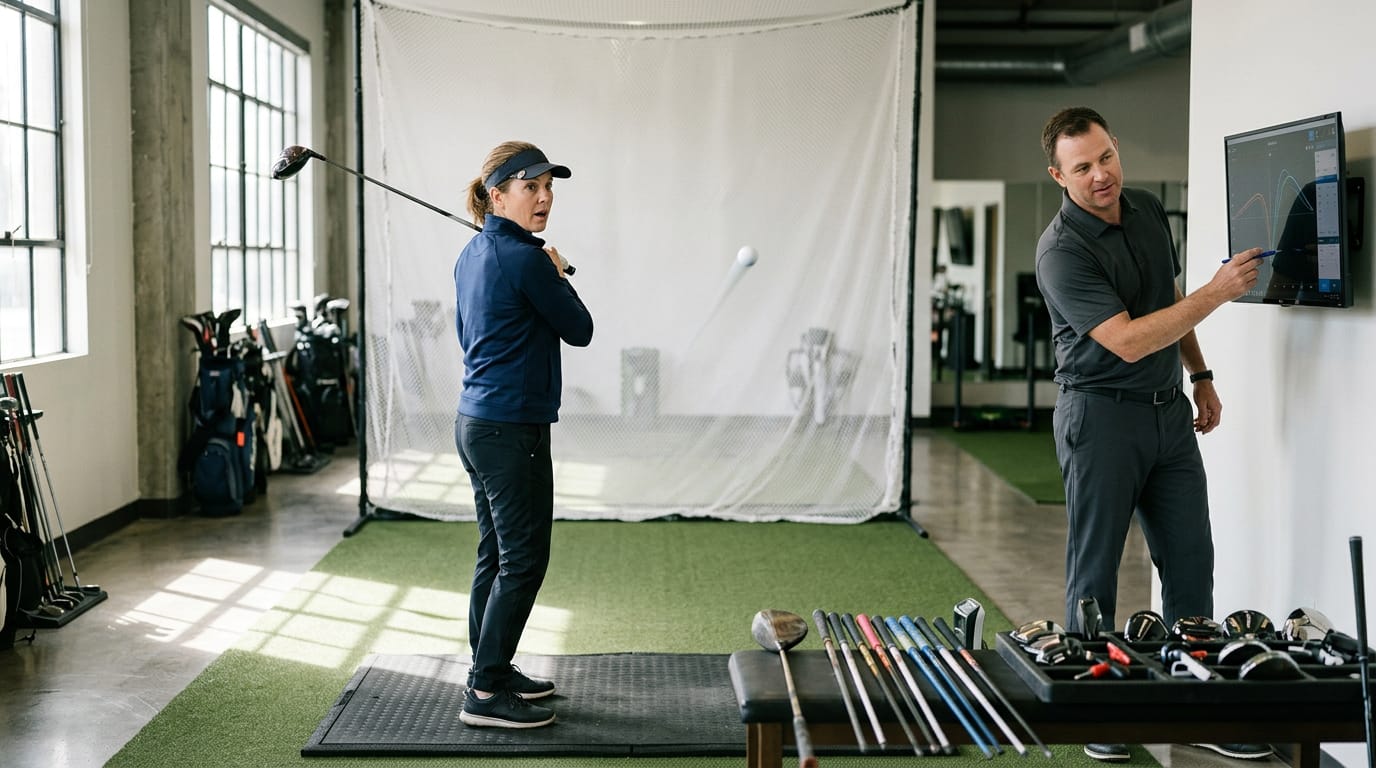
When you read reviews of a fitting studio, look for:
- High star ratings that hold up across many reviews.
- Praise for knowledgeable fitters who explain their choices.
- A clean, professional facility that feels organized.
- Fast custom club delivery so you’re not left waiting.
Strong reviews won’t guarantee a perfect fit, but they’re a good shortcut.
Common Myths and Questions About Fitting
Most golfers bring the same questions to a fitting, so we’ll clear them up.
How skill level affects your fitting
Fitting suits inconsistent players, and equipment may be part of the cause. Think of a weekend golfer who crushes one drive, then sprays the next three into the trees. Fitters judge shot averages, not one lucky hit.
Beginners should build basic consistency first, since a shifting swing is hard to fit.
Shaft flex describes stiffness and relates to your swing speed (how fast the clubhead moves). What does a 5.0 shaft flex mean? It’s a number on each maker’s own scale, where higher means stiffer. Can you hit a 300 yard drive with a regular flex shaft?
Possibly, if your swing speed suits it and you strike the ball well.
How often you should get refitted
Refit when you’re underperforming, not just on a calendar. According to a study on custom-fitted clubs versus placebo clubs, golfers may benefit from a refit when their clubs are no longer helping them perform well.
Typically, that’s every 3 to 5 years. New gear often improves results, so a refit can pay off.
Longest drives versus average distance and accuracy
Golf isn’t a home run sport. Your average distance tells a fitter more than your best swing. Dispersion (how far your shots spread from the target line) and fairways hit matter too.
Think of a player whose longest drive ends in the trees while a shorter one finds the fairway. The shorter drive usually leaves the easier approach.
Why golfers who know specs still benefit
Specs vary by brand and model, and untried models and shafts are a gap: a spec sheet tells you what a club is, not how it feels. Specs may not apply to your swing at all. Your scorecard decides.
How do I know what golf shafts to use? Test several on a launch monitor (a device that measures ball flight) and pick the most consistent one.
Sizing covers three things:
- Length. Overall club size, matched to your height and posture.
- Lie. The angle between shaft and ground at address, which decides whether the sole sits flat.
- Grip. The thickness under your hands.
How do I get the right size golf clubs? Get measured by a fitter, then confirm with real shots.
A good fitting won’t turn you into a different golfer overnight. It gives the golfer you already are clubs that work with your swing instead of against it, whether you’re buying a first set for a junior or chasing a few more yards as a serious amateur.
Take your time, ask plenty of questions, and remember that the best club is the one you actually want to swing. Fit the clubs to the player you are today, and the rest of your round gets a lot more fun.
References
- Golf Club Fitting Using Robot Machine Data — doi.org (2012)
- The Effects of Custom-Fitted Clubs versus “Placebo” Clubs on Golf-Swing Characteristics — doi.org (2008)
- Senior Golfers: Unlock the Full Potential of Your Game with Custom-Fitted Clubs — seniorgolfusa.com (2026)
- True Spec gift card holiday bonus: Add 20 percent for a limited time — golf.com (2025)
Questions
What is the best club to get fitted for?
The best club to get fitted for is usually the one you use most or the one costing you the most strokes. Many golfers start with the driver because a poor fit affects every tee shot, but your own biggest need should guide the choice.
What are the best golf shafts?
There is no single best golf shaft for every player. The right shaft depends on your swing speed, tempo, and ball-flight needs, so test different options and choose one that produces consistent shots and feels comfortable.
How do I get the right size golf clubs?
Get measured by a qualified fitter, who can match club length to your height and posture, check lie angle, and recommend a suitable grip size. Confirm the measurements by hitting shots, since the right fit depends on how the clubs perform with your swing.
How do I know what golf shafts to use?
Test several shafts with a fitter using a launch monitor, which measures how the club and ball move at impact. Compare shot consistency and ball flight, and choose a shaft whose flex and feel suit your swing rather than relying on a spec sheet alone.
How much is it to get custom fitted golf clubs?
Custom fitting fees commonly range from $125 to $475, depending on the service. A shaft, wedge, or gap analysis is typically at the lower end, while a full-bag fitting is at the higher end; sessions can last from 45 minutes to 3.5 hours.
What's the 60/40 rule in golf?
The 60/40 rule is commonly used to describe weight distribution at address: roughly 60 percent of your weight rests on your lead foot and 40 percent on your trail foot. The exact setup varies by shot; for a driver, golfers often favor a more even distribution, while some short shots call for more weight forward.
What does a 5.0 shaft flex mean in golf?
A 5.0 shaft flex is a number on a manufacturer-specific flex scale, not a universal standard. Higher numbers generally indicate a stiffer shaft, so compare the rating within the same brand or have a fitter test how it performs for your swing.
Can you hit a 300 yard drive with a regular flex shaft?
Yes. A golfer can hit a 300-yard drive with a regular-flex shaft if the shaft suits their swing and they make solid contact. Flex alone does not determine distance; swing speed, strike quality, launch, and other equipment factors also matter.
Sources
- Senior Golfers: Unlock the Full Potential of Your Game with Custom-Fitted Clubs, seniorgolfusa.com,
- Golf Club Fitting Using Robot Machine Data, doi.org,
- The Effects of Custom-Fitted Clubs versus “Placebo” Clubs on Golf-Swing Characteristics, doi.org,
- True Spec gift card holiday bonus: Add 20 percent for a limited time | GOLF.com, golf.com,
Find your level
The Counter