Skateboard Safety Gear: A Complete Guide
Skateboard safety gear should fit your head, joints and riding style. Compare helmets, pads, shoes and replacement timing to choose protection that works.
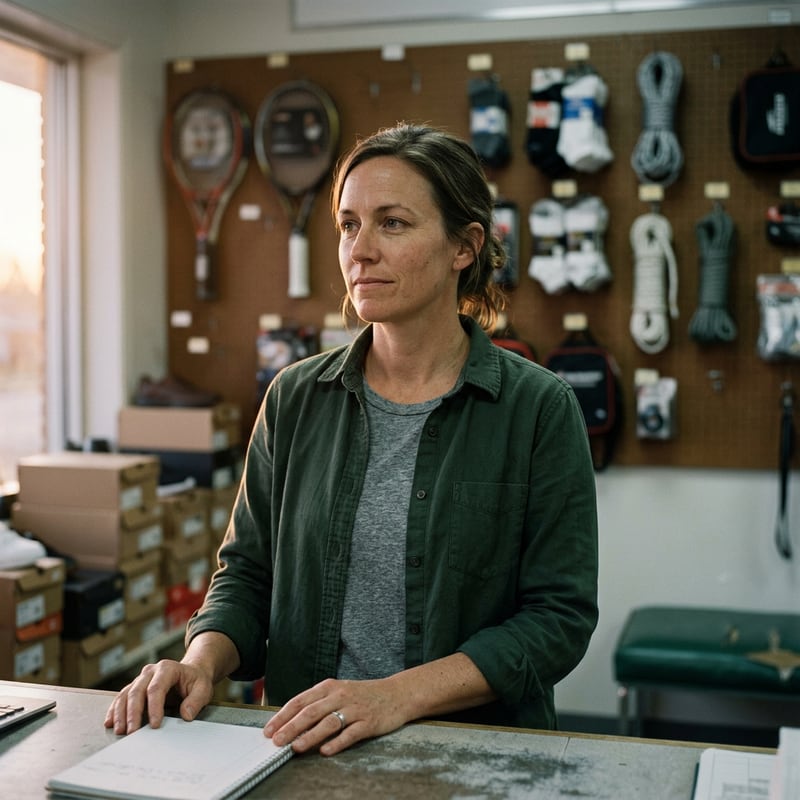
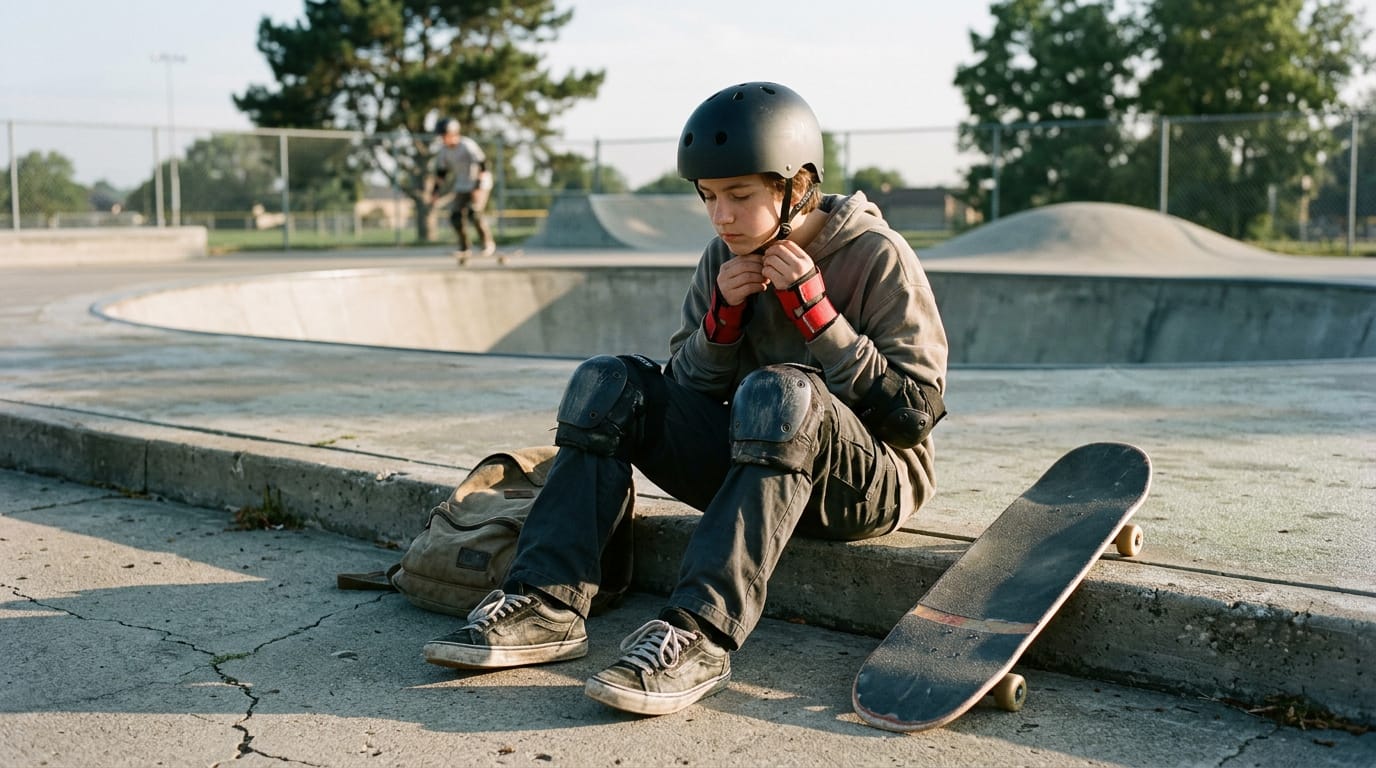
Think about the last time you bought a bike helmet. You probably tried a few on and asked whether it would hold up when it counted. Skateboard gear deserves that same care, especially since you rarely think about it until you need it. Fit is only part of that answer, so it’s worth learning the MIPS helmet meaning too.
Skateboard safety gear covers your head, joints, feet and more. This guide explains each piece, how it should fit, and what to buy for your skill level and riding style.
We’ll also share a shop-counter view on replacement timing and price versus protection.
Skateboard Safety Gear Starts with a Helmet
Before the pads, the helmet comes first. Here’s how to choose one that fits.
Why every skater needs a helmet
A helmet is the most important piece of gear you’ll own. Falls can cause head and facial injuries, and a trauma center’s quality improvement initiative found that helmets reduce head injury severity after skateboard injuries.
Wearing one can help prevent concussions and fractures. The Centers for Disease Control and Prevention (CDC) recommends that skateboarders wear one, and some skateparks require them too.
A study of 10 years of national injury data found head injuries were among the top three most common in seven adventure sports, though skateboarding isn’t one of them. We don’t have a verified fatality rate for skateboarders, so we won’t guess.
Picking a helmet built for skating
Bike helmets are less suitable, so leave yours on the bike. Check three points before you buy:
- Designed for skateboarding. Choose a model made for the sport.
- Safety standards. Make sure it meets Consumer Product Safety Commission (CPSC) standards.
- Back-of-head coverage. It should protect the back of your head, not just the top.
How a helmet should fit
A helmet that feels secure beats one that’s merely roomy. Check these four points:
- Snug, secure fit. It should feel firm with no room to shift.
- Level on your head. Sit it flat, not tipped back or pulled down over your eyes.
- Straps tightened correctly. Buckle them so it stays put when you shake your head.
- Measure, then check the chart. Measure your head and match it to the brand’s sizing chart.
Think of a teenager who borrows his older brother’s helmet. It slides over his eyes when he drops in. A properly sized helmet would have stayed level. Wobble means wrong size.
Protecting Your Knees, Elbows and Body
Knees, elbows and wrists take the hits in a skate fall, so pads come first. Here’s what each piece does and how to choose it.
Can I use knee pads and elbow pads?
Yes, and plenty of riders wear both. Knee and elbow pads absorb shock and keep your skin off the pavement, which prevents cuts, scrapes and road rash that can turn one slide into a week of bandages.
Consider a 13-year-old learning to ride a bowl. Her pads take the first few hard landings, so she keeps coming back instead of sitting out the summer.
Hard-shell pads have a rigid outer cap that slides across concrete, while soft pads are more flexible and comfortable for cruising. Fit matters more than thickness. Low-profile sleeves are a slimmer option that usually offers less padding.
Look for a non-chafing inner lining against your skin, too. And yes, you can combine knee and elbow pads into one set.
Protecting your wrists when you fall
Many riders put their hands out instinctively, so wrists take the first hit. Wrist guards help prevent cuts and scrapes on your palms. Whether they reliably prevent fractures is debated, so don’t count on them as a guarantee.
They’re especially handy while you’re learning to fall, when every session brings a few unplanned landings.
Padded shorts and shin guards
Padded shorts worn under your regular clothes cover your waist, hips, tailbone and thighs, the spots that hit the ground when you sit down hard. They’re about landing protection, not looks.
Shin guards work differently: wear them when a park, event or instructor requires them, and follow the spot’s rules otherwise.
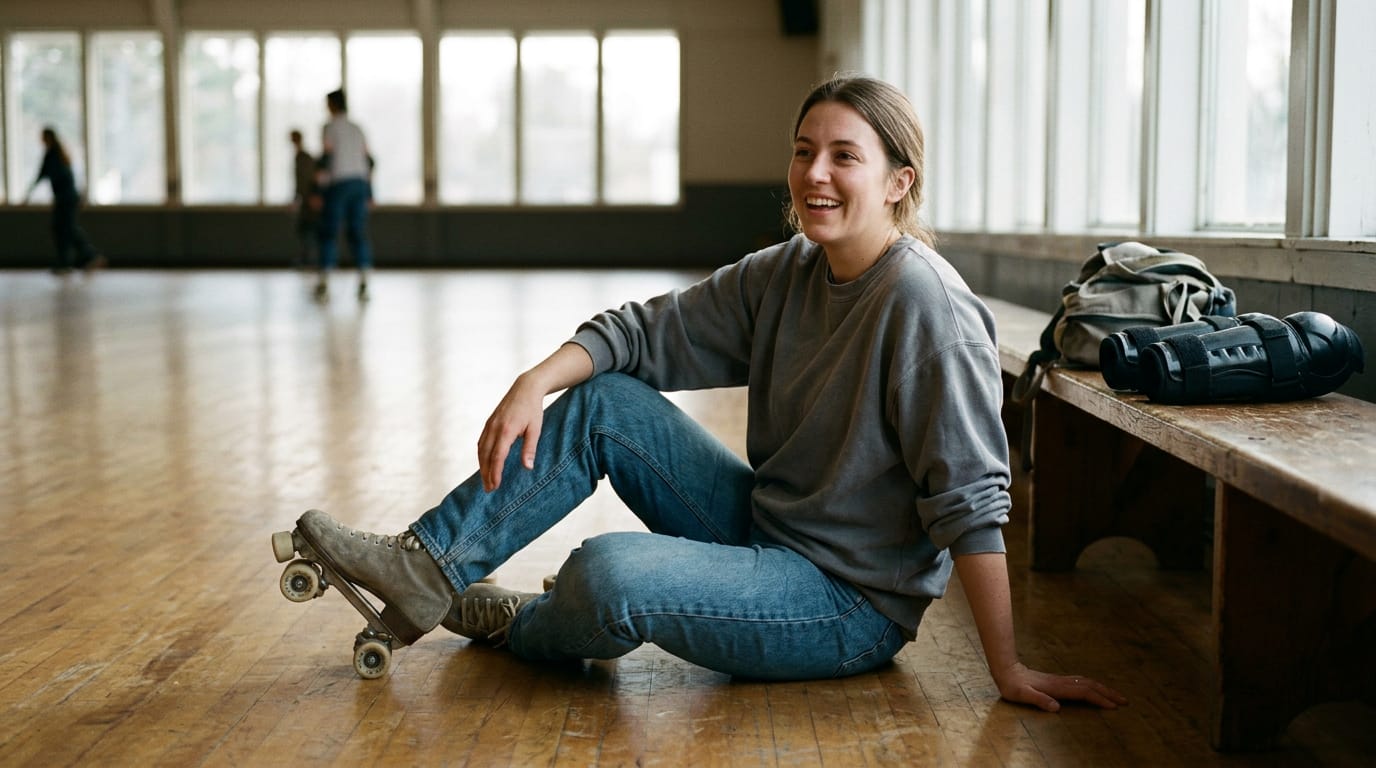
Buying pads as a complete set
Buying as a set is the simplest route:
- Three-packs. Knee, elbow and wrist pads in one box, so you cover the usual landing points without shopping piece by piece.
- Kids’ protective sets. Sized for smaller riders, so check the sizing chart before you order.
- Under-pad gaskets. Thin liners between pad and skin that help cut down on chafing.
Fit beats brand every time.
How to Pick Gear That Fits
Good gear only does its job if it stays where it belongs. Here’s what we look for before you pay, and how to keep gear working once you’re rolling.
Sizing gear that stays put without binding
Start with secure fit: pads should hold snugly without cutting off circulation or pinching when you bend.
To size them, measure your knee, elbow and wrist with a soft tape, then check the brand’s size chart, because a medium from one company can fit like a small from another.
Consider a 14-year-old who’s just started riding a skatepark ramp. After a few runs, his elbow pads have slid down toward his forearms. The pair that stays put beats the flashiest pair on the rack.
Before you check out, try everything on in the shop:
- Crouch and push off as if you’re rolling.
- Turn your body and make sure nothing slides.
- Kneel into a simulated fall and check that the cap doesn’t ride up.
Balancing comfort, coverage and wear
Comfort matters more than it sounds. Gear you can stand wearing is gear you’ll actually have on every session. Protection you keep on beats protection left in the bag.
Match coverage to how you ride. A cruiser on smooth paths needs less padding than a skater dropping into a bowl. Balance comfort and protection by choosing the set that covers the spots you’re most likely to hit without restricting your movement.
Before each session, check wear and damage. Look over:
- straps
- stitching
- hard caps for cracks or dents
Press the foam to see if it’s gone flat. Anything damaged should be replaced rather than trusted.
Matching Gear to How You Ride
Your gear should match how you actually skate. Here’s how to choose by level and riding style.
Gear to start with as a beginner
Learning to skate means learning to fall, so start with a full setup: helmet, knee pads, elbow pads and wrist guards.
Hard pads hold up to repeated wipeouts while you find your balance, and wrist guards are especially useful because putting a hand down is the instinctive move.
Gear that fits kids and young skaters
Kid-sized pad sets fit smaller joints, so they stay put. Aim for a snug fit with mobility: pads should stay in place when your child bends, without pinching or blocking a crouch. A good fit also builds confidence.
Kids helmets should fit smaller heads, and padded shorts cover the hips and tailbone.
Are skateboards safe for 7-year-olds? They can be, and the same goes for young kids in general, as long as the gear fits and learning happens on smooth ground with an adult close by.
Size up for growth cautiously. An oversized pad slides out of position, so buy for the child you have now, with a little room to grow. Fit beats size.
Consider a parent buying for a 7-year-old who idolizes her big brother. Pads that don’t pinch on a crouch mean she keeps practicing.
Light protection for street skating
Street skating means ledges, stairs, rails and curbs. Low-profile protection keeps bulk down so your movement stays natural.
The goal is coverage without restricted movement: stiff pads make flip tricks harder to land, so choose slim, flexible options that still cover the joints you’ll hit most. Street gear is about flexibility rather than bulk.
Full protection for parks, ramps and bowls
Parks, ramps and bowls mean higher-speed tricks, so the gear steps up. A complete protection setup includes:
- Helmet
- Knee pads
- Elbow pads
- Wrist guards
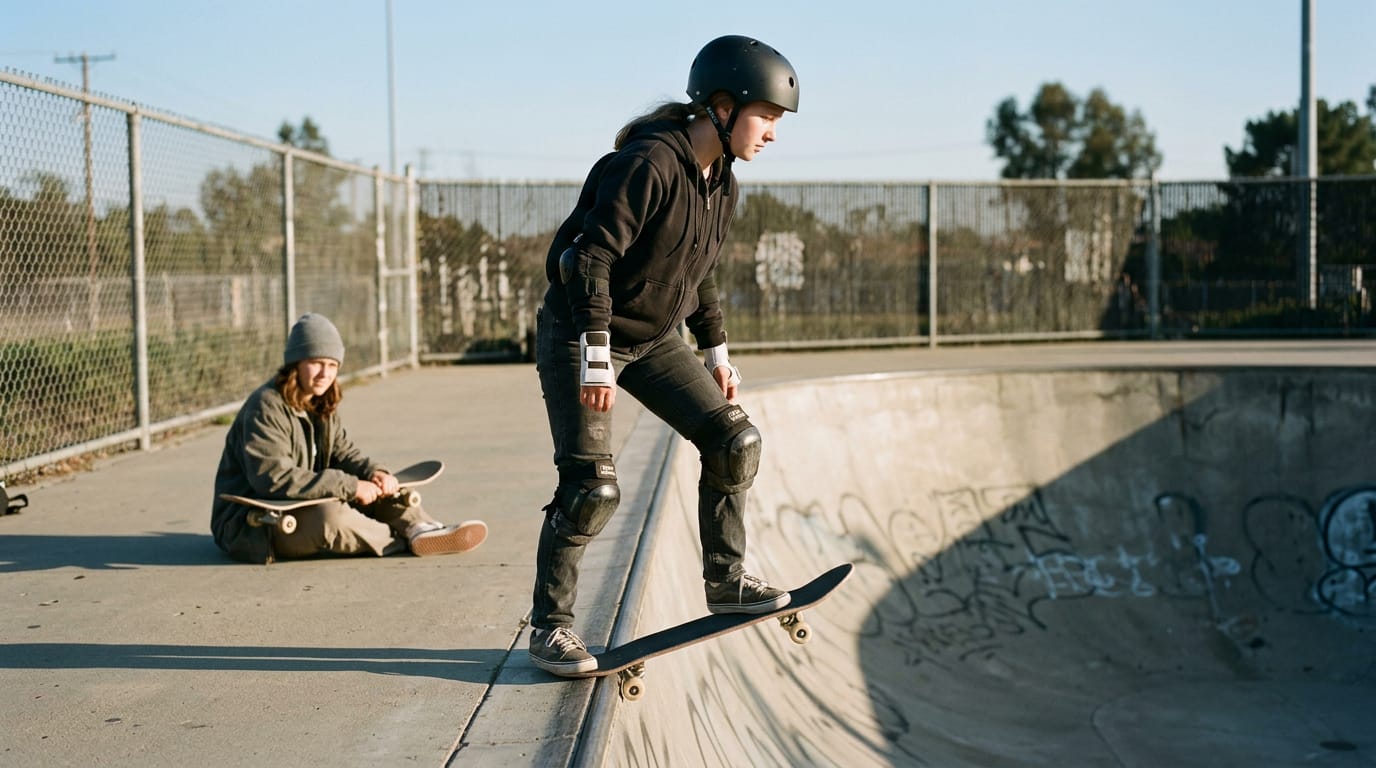
Large transitions, like the lip of a ramp, can send you into your hips, tailbone or back, so add extra body protection there. Picture a 16-year-old dropping into a bowl for the first time.
With full gear on, she can focus on her line instead of the landing.
Shoes and Insoles for Better Control
Your shoes are your link to the board, so they deserve real attention. Here’s how to pick a grippy pair and keep your laces out of the way.
Choosing skate shoes for grip and feel
Skate shoes keep your foot planted while letting you feel the board. A thinner sole feels closer, while more padding soaks up shock. Two common builds show that trade-off:
- Vulcanized shoes have a thin, flat sole for the closest board feel.
- Cupsole shoes wrap a rubber rim around a padded midsole for more cushion.
Suede holds up better against grinding, while canvas is lighter but wears faster. The toe caps, the reinforced front, take the worst of flip tricks.
High-tops add ankle support, while low-tops allow more movement and a closer board feel. Pick the cut that matches how you ride.
A famous name doesn’t guarantee a good fit, so try on a few pairs and walk around in each one.
Cushioning your feet with insoles
An insole adds cushioning under your foot, softening the jolt of every landing. Look for a firm heel cup that holds your heel in place, so it slides less inside the shoe.
Insoles complement your shoe’s protection; they don’t replace it.
Think of a teen who spends two hours at the skatepark every Saturday. A cushioned insole keeps her feet fresh through the last hour, so her landings stay sharp.
Keeping laces tight and out of wheels
Loose laces let your foot slide, making the board harder to control. Tie them snug rather than loose, and double-knot them.
A dragging lace can catch in a wheel and throw you off balance. Tuck the loose ends inside your shoe; it takes seconds.
Extra Gear and Clothing to Consider
Helmets and pads get most of the attention, but a few smaller pieces finish the kit.
Protecting your eyes with goggles or glasses
Eye protection gets skipped until a pebble kicked up by a wheel finds your face. Pick goggles or glasses you’ll wear every session, not the pair that looks best on the shelf. Fit beats looks.
For lenses, look for polycarbonate lenses, a tough, impact-resistant plastic that blocks debris and UV light.
Think of a teen skating the park after school. Lenses that block debris keep grit out of her eyes, so she can focus on the next trick.
What to wear and what to skip
Here, function matters more than style. Four rules cover most of it:
- Avoid loose baggy clothes. Flapping fabric can catch on the board when you push or land, so go for a relaxed fit that stays close to your body.
- Denim and long sleeves. A layer of denim or a long sleeve gives you some protection against scrapes if you slide, but they won’t replace pads.
- Sun protection and SPF. Use sunscreen with an SPF (sun protection factor) rating on exposed skin, and reapply as the day goes on.
- No dangling jewelry. Chains and loose bracelets can snag or dig in during a fall, so take them off before you ride.
Carrying your gear in a skate backpack
A dedicated skateboard backpack carries your board, helmet and pads together, so nothing gets left behind. Picture a club player riding the bus to practice. Her bag keeps the board from banging into her knees, so she arrives ready to skate.
Checking Your Gear and Board Regularly
Gear and boards wear down quietly, so a quick check before you ride catches most problems early.
Spotting damage in your safety gear
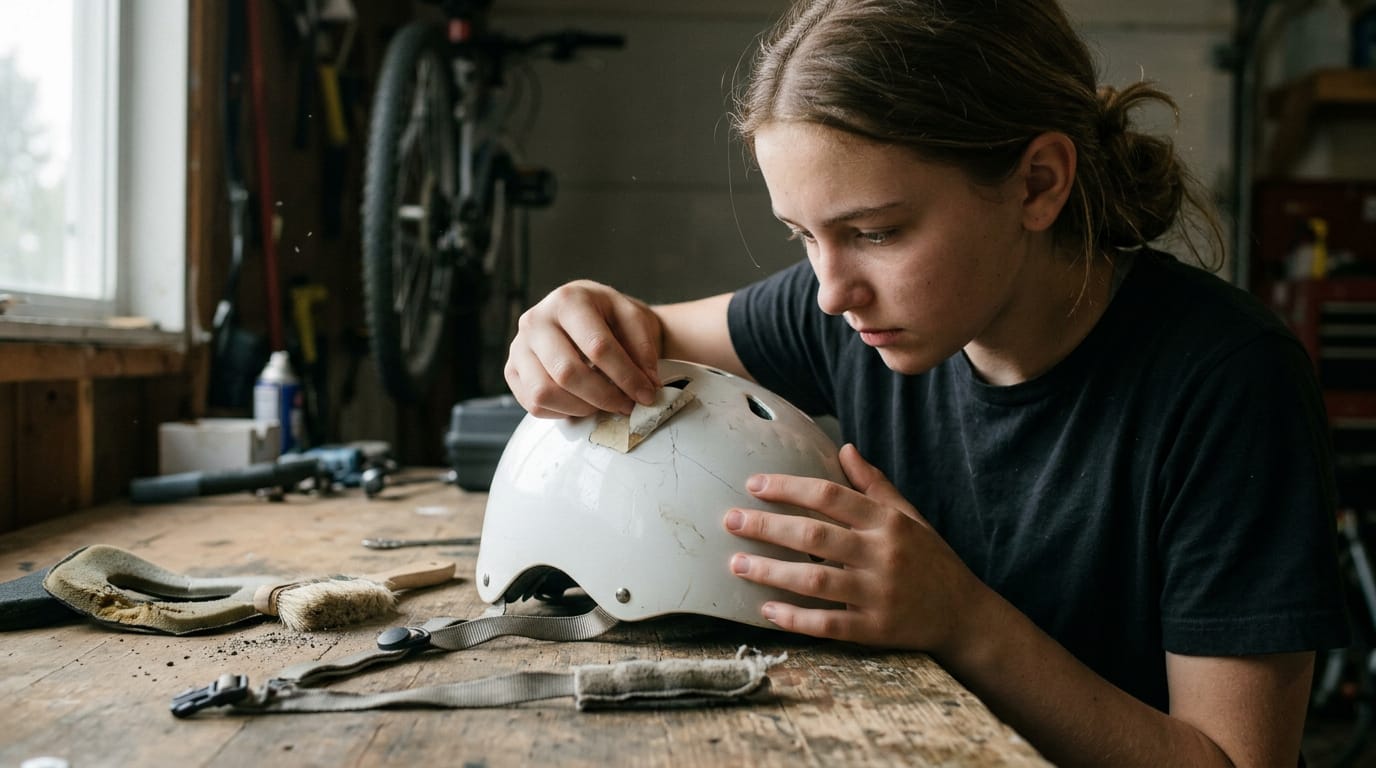
Look your gear over in good light and run your hands along it too, since you can often feel a dent before you see it. Check for holes and cracks in the helmet shell and pads. Stickers can hide cracks, so lift any sticker on your helmet to look underneath.
Keep gear free of debris as well, since grit can jam straps and buckles.
Consider a teen who spots a thin crack in her helmet only after peeling back a sticker. Swapping it now costs far less than a bad fall.
Replace damaged helmets right away and don’t wait to see whether the crack gets worse. Cracks don’t heal. Pads follow the same rule: swap them once the padding is torn or flattened and no longer springs back.
Keeping your board in good shape
Check the trucks, the metal parts that hold your wheels, and tighten any loose hardware. Spin each wheel by hand, and if the bearings grind or catch, they need attention.
Wheels matter more for how they roll than how they look, so wipe off grime until they spin freely. Replace worn grip tape once it’s smooth or peeling, since it’s what keeps your feet planted.
If you’re on a beginner board, run the same check and confirm its specs suit your height and riding.
Quick check before every session
Before each session, run through this short list:
- Helmet, pads, and wrist guards: Make sure they’re clean, undamaged, and snug.
- Shoes and insoles: Look for worn soles and insoles that have slipped or flattened.
- Well-maintained board: Confirm the trucks are tight, the wheels spin, and the grip tape is intact.
Practices for Riding More Safely
Gear only does so much, so your habits matter just as much. Here’s how to fall well and skate smarter.
How to fall without getting hurt
Falls are part of skating, so the goal isn’t to avoid them but to fall well. Picture a parent teaching their 10-year-old on a flat driveway. The kid who bends their knees and rolls onto the thigh walks away with a scraped leg.
The kid who stiffens up and catches the fall with an outstretched hand is more likely to hurt a wrist.
Three moves make the difference:
- Crouch low. A lower body shortens the fall distance, so there’s less drop when your balance goes.
- Land on fleshy areas. Aim for thighs, rear, and calves, not wrists, elbows, or head.
- Roll and relax. A loose body absorbs more impact, so let the momentum carry you instead of bracing.
Simple habits that reduce your risk
Small choices add up.
- Follow local laws. Rules about where you can skate vary, so check before you roll into a new spot.
- Avoid wet or uneven surfaces. Puddles, cracks, and gravel are where wheels slip and boards kick out.
- Don’t skate under the influence. Balance and quick reactions are what you need most when things go sideways.
- Leave the headphones at home. You need to hear cars, bikes, and friends calling out.
- Stretch and warm up. Easy movement and a slow first lap get your legs ready for the hard landings.
- Skip when injured. Riding through pain on a sore ankle can turn a small injury into a long layoff.
Good habits cost nothing extra. Your board will still be there next session.
Where to Shop for Gear and Brands
Skate gear is easier to shop when you split it into categories. Here’s how to browse, which brands to try, and when a local shop helps.
Browsing product lines by category
Browse these groups one at a time:
- Pad sets: Knee, elbow, and wrist pads, often sold together
- Helmets, shorts, and gloves: Each has its own section, so judge them separately
- Body protection collections: Bundled pieces for the torso and hips
- Insole product lines: Replacement insoles that fit inside your skate shoes
Think of a parent buying a first set for a kid who just started rolling. Shopping by category makes it easier to match sizes, so the gear fits together and the kid actually wears it all.
Which brands to try and local shops
Beginner skateboard brands suit anyone new to the sport. Popular skate shoe brands are worth a look too, since your shoes shape how your ankles handle the board.
Budget and premium lines both have a place. A lower-priced pad set that fits snugly and stays put can protect you better than a pricey one that slides around, so the real question is whether it matches how you ride, not what the tag says.
A local shop is often the best fitting help you’ll find. Picture a weekend skater who arrives set on the priciest helmet on the wall. The staff has him try a cheaper model, and it sits level and holds steady when he shakes his head. Fit beats price.
The right skateboard gear isn’t about buying the most pads on the shelf. It’s about matching each piece to your level and style, checking the fit before every session, and replacing what’s worn out.
When gear fits well and you trust it, you can spend your energy on the board instead of the bumps.
Good gear should disappear once you’re rolling. Keep it fitted, keep it in good shape, and it quietly does its job while you focus on the next trick.
References
- Risk reduction after bicycle, scooter, and skateboard-related head injuries through helmet use and brain injury education: A trauma center quality improvement initiative — pmc.ncbi.nlm.nih.gov (2025)
- Preventing TBI | Traumatic Brain Injury & Concussion — cdc.gov (2025)
- A Sex- and Age-Specific Analysis of the Impact of COVID-19 on Adventure Sports Injuries: 10 Years of National Injury Data — pmc.ncbi.nlm.nih.gov (2025)
Questions
What is the fatality rate for skateboarders?
There is no verified, widely accepted fatality rate for skateboarders. Risk varies with factors such as age, riding environment, and safety practices, so a single percentage would be misleading.
How to stay safe while skateboarding?
Wear a properly fitted skateboard helmet and pads, including knee, elbow, and wrist protection, especially while learning. Check your gear and board before riding, use smooth and dry surfaces, warm up, follow local rules, and avoid skating while injured or under the influence. Learn to crouch, relax, and roll rather than bracing with an outstretched hand.
How to not get hurt at paintball?
Follow the field’s safety briefing and referee instructions, and keep your paintball mask on throughout play and anywhere paintballs may be fired. Wear suitable protective clothing and padding, use only approved equipment, keep the barrel covered with a barrel blocker outside play, and never shoot at close range or outside designated areas.
Are skateboards safe for 7 year olds?
Yes, a 7-year-old can skateboard if the child is ready, uses properly fitted protective gear, and learns on smooth ground with an adult nearby. Start with a helmet, knee and elbow pads, and wrist guards, and make sure the board suits the child’s size and ability.
Can I use knee pads and elbow pads?
Yes. Knee and elbow pads help absorb impacts and protect against cuts, scrapes, and road rash. Choose pads that stay in place without pinching or limiting movement.
What should I wear for paintball?
Wear a paintball-rated full-face mask and clothing that covers your skin, such as long sleeves, long pants, and sturdy shoes. Many players also use gloves and padded gear for comfort; follow the field’s required equipment rules.
Is paintball an expensive hobby?
Paintball can be an expensive hobby, but the cost varies with how often you play and whether you buy or rent equipment. Recurring costs usually include field fees and paintballs, while a mask, marker, and other gear add upfront expense.
Are paintball masks rated for airsoft?
Not necessarily. Paintball masks are designed for paintball impacts and should not be assumed safe for airsoft; airsoft requires eye protection rated for the impacts of airsoft BBs. Check the mask’s manufacturer specifications and use a properly rated airsoft full-seal mask or goggles.
Sources
- Risk reduction after bicycle, scooter, and skateboard-related head injuries through helmet use and brain injury education: A trauma center quality improvement, pmc.ncbi.nlm.nih.gov,
- Preventing TBI | Traumatic Brain Injury & Concussion | CDC, cdc.gov,
- A Sex- and Age-Specific Analysis of the Impact of COVID-19 on Adventure Sports Injuries: 10 Years of National Injury Data, pmc.ncbi.nlm.nih.gov,
Find your level
The Counter