MIPS Helmet Meaning Explained, Plus When It's Worth It
MIPS helmet meaning: see how the protective system works, which sports and brands use it, and whether the extra cost is worth it if the helmet fits well first.
Have you spotted MIPS printed on a helmet box and wondered whether it’s a real feature or just a sticker? You’re not alone, and you’re in the right place.
Here’s the short answer: MIPS is a protective system some team-sport helmets include, and it can be worth paying for, but only if the helmet fits well first.
In this post, we’ll explain what the letters stand for, how the system works, and when the extra cost makes sense for players and parents.
Mips Helmet Meaning and How It Works
MIPS stands for Multi-directional Impact Protection System, and you’ll see it on plenty of cycling and team-sport helmets. Here’s what it does and where its limits are.
How a low-friction layer reduces head rotation
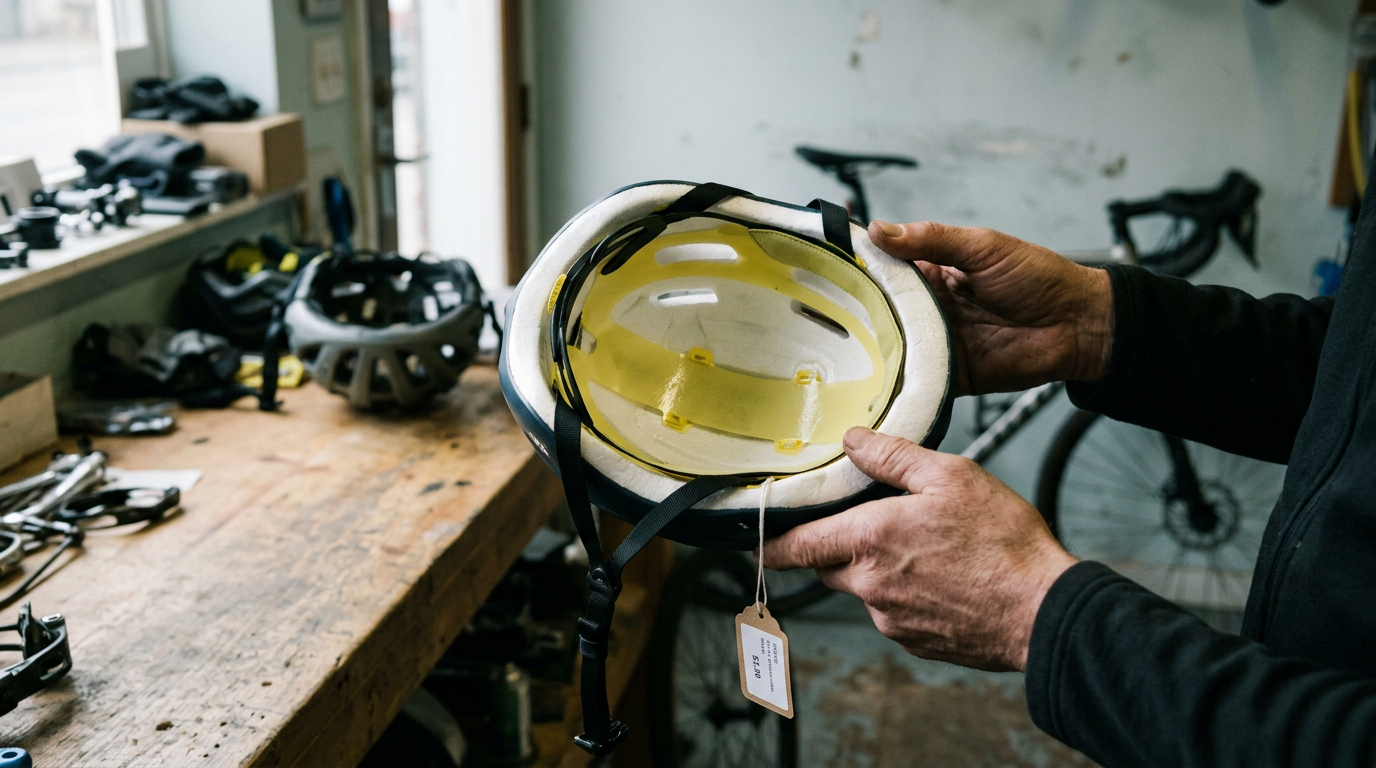
MIPS adds a low-friction layer that sits between the EPS (expanded polystyrene) foam and the helmet liner. According to a BikeRadar buyers’ guide, it lets the helmet slide 10-15mm in multiple directions during an impact.
That slip helps redirect rotational force away from your head, as MIPS’s own website explains.
Why twisting impacts can injure the brain
Angled hits cause rotation, so the head twists instead of only snapping straight back. The brain is more sensitive to rotation than to straight-line force, according to a research paper on traumatic brain injuries. Rotation is the sneaky part.
That twist creates shear, a sliding force that stretches brain tissue, and that stretching can cause concussions.
Are Mips helmets safer in angled crashes?
Many helmets are built for direct hits, not angled ones. Real crashes are angled, though, and speed adds moving energy, so a faster fall gives the impact more force to work with.
A narrative review of cycling helmet research found that MIPS shows consistent reduction in rotational acceleration across various impact conditions.
So a MIPS helmet can make a real difference in certain impacts, but that doesn’t mean it’s safer in every crash. MIPS doesn’t make a helmet concussion-proof.
Consider a parent buying a helmet for a teen who rides to practice on busy roads. A MIPS layer is worth a look for those angled spills, but it’s no guarantee, so a snug fit still matters.
Helmet Types for Each Sport and Activity
Every helmet is built for a specific job, and MIPS (Multi-directional Impact Protection System) shows up in some categories more than others.
MIPS across sports and construction helmets
- Road and mountain biking: A common home for MIPS, and airflow matters on long climbs.
- Snow and motorsport: Each is designed for its own conditions and standards.
- Horse riding and climbing: Designed for falls from a horse or falling rock, not bike crashes.
- Construction helmets: Hard hats guard against falling objects, a different job from a bike helmet.
- Football, hockey and lacrosse: Some offer MIPS, so confirm it on the model’s listing.
Are snowboard helmets the same as bike helmets? Not quite. Both use a hard shell, but snowboard helmets are built for cold and usually cover more of the ears, while bike helmets favor airflow.
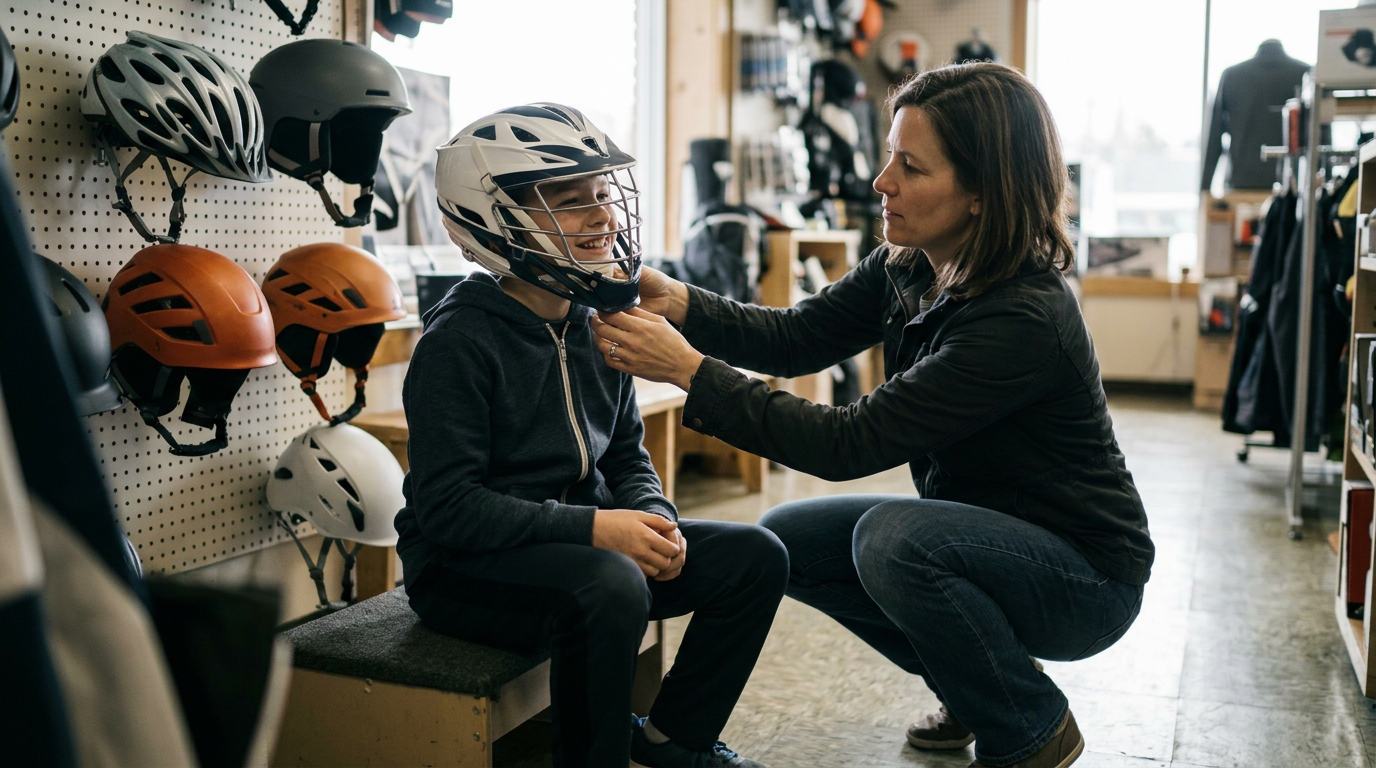
Think of a parent buying a first lacrosse helmet for a 12-year-old. Have the kid shake their head with it on: a helmet that stays put through practice is the one that gets worn.
How to choose a helmet that fits
- How to choose a bike helmet: Start with the size chart, then try it on before buying.
- MIPS in plain terms: It’s one feature to weigh. Fit beats brand.
- Different systems per helmet type: Each category uses its own protective setup, so MIPS is one option, not the only one.
The 2-2-2 rule is a quick three-part fit check you can run in the store. Put the helmet on level and confirm:
- It sits two finger-widths above your eyebrows.
- Side straps form a V just below your ears.
- A snug chin strap with room for two fingers beneath it.
Comfort, Weight, and Which Brands Use It
A helmet only protects you if you actually wear it, so weight and airflow matter. Here’s what a MIPS system adds in each area and how widely it’s used.
Why they stay light and breathable
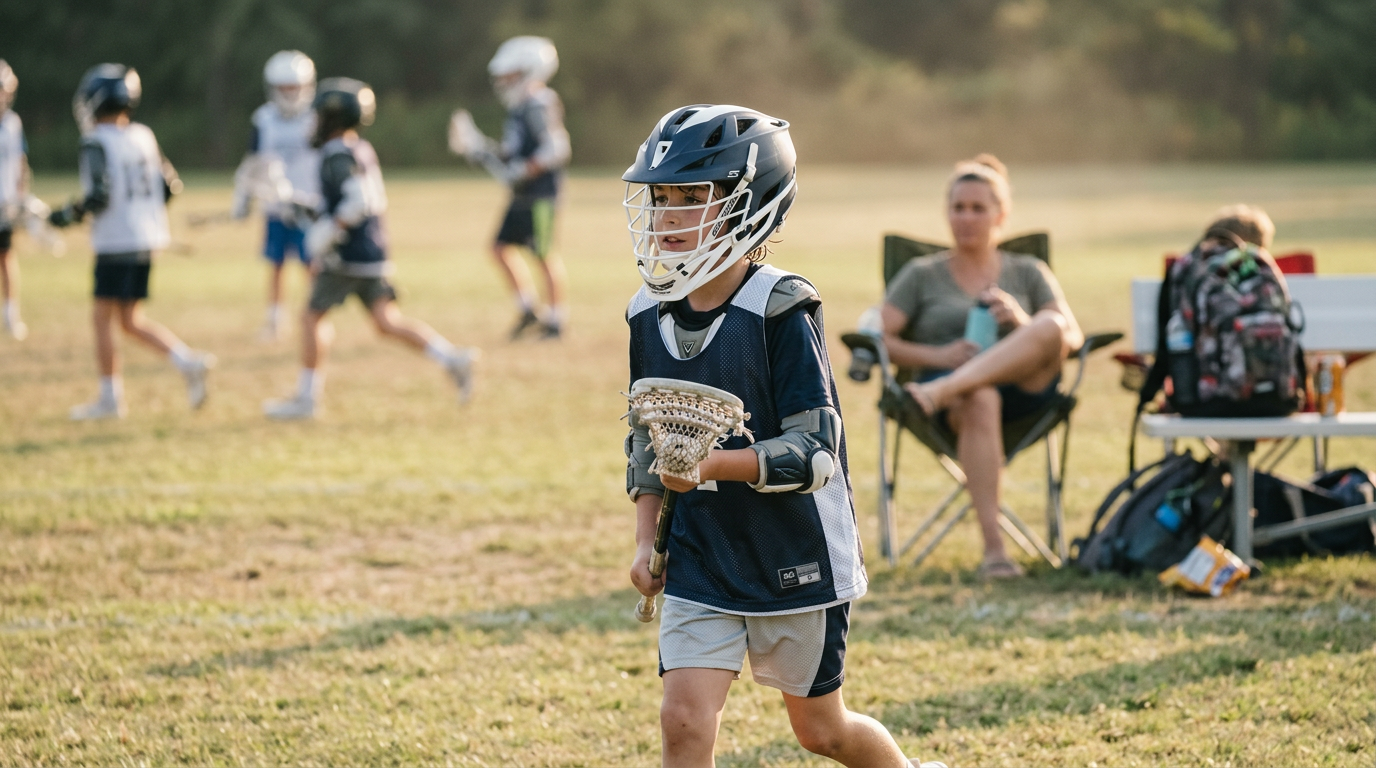
A MIPS system adds grams, not pounds. Systems weigh about 20 to 45 grams, roughly the same as an energy bar. Picture a parent buying a lacrosse helmet for a ten-year-old who practices three nights a week.
The kid barely feels the difference on the head, so there’s less reason to pull the helmet off between drills. Comfort keeps the helmet on.
MIPS says its systems don’t compromise ventilation. Cairn’s guide to MIPS technology puts it this way: the system “alters neither the helmet’s overall comfort, nor its ventilation, nor its fit.”
Temperature regulation is tested too, which matters on a sweaty August practice.
Which brands earn approval after testing
According to Mips, the system is used in many helmet types and by 150+ brands, so you’ll find plenty of options when you shop. Popularity isn’t the whole story, though.
Every helmet has to pass a strict test protocol before it’s approved, and only helmets that pass earn that approval. A long brand list tells you the system is popular. Approval tells you a specific helmet passed its testing before it hit the shelf.
Caring for and Replacing Your Helmet
A helmet can only protect you if it’s in good shape, and it doesn’t last forever. Here’s how to keep it clean and how to know when it’s time for a new one.
Clean gently and replace it on time
Cleaning doesn’t need to be complicated. Keep it simple with these two habits:
- Hand-wash with soap and water. Plain soap and water covers routine cleaning.
- Avoid strong chemicals. Harsh cleaners aren’t worth the risk, so keep them off your helmet.
Replacement matters even more. Keep these two rules in mind:
- Replace it every 3-5 years. The American Medical Association recommends this even if the helmet has never been in a crash.
- Replace it after any hard impact. A helmet that takes a hard hit is due for a new one, even if the shell looks fine.
Think of a youth lacrosse parent who finds a helmet from five seasons ago in the garage. It looks fine, but judge it by its age, not its look. Swapping in a new one before the first practice means the kid starts the season protected. Don’t gamble on it.
Whether MIPS is worth paying for comes down to three things: the sport you play, how the helmet fits your head, and whether the extra features match how you actually play. A feature on the box never makes up for a loose fit.
Take your time at the shop, try on a few options, and don’t be shy about asking for help with sizing. Your head will tell you more than any label can.
The best helmet is the one that fits well enough to forget about, so you can focus on the game.
References
- Rotational Force Mitigation Systems in Cycling Helmets: A Narrative Review of the Effectiveness of MIPS, WaveCel and SPIN in Preventing Traumatic Brain Injuries — doi.org (2025)
- Why Most Traumatic Brain Injuries are Not Caused by Linear Acceleration but Skull Fractures are — pmc.ncbi.nlm.nih.gov (2013)
- What is MIPS, how does it work and is it really worth it? — bikeradar.com
- MIPS® Technology: How It Works and Why Choose a MIPS® Helmet — cairn-sport.com (2026)
- What doctors want patients to know about helmet safety — ama-assn.org (2026)
- Mips - Safety for helmets — mipsprotection.com
Questions
What is the 2 2 2 rule for helmets?
The 2-2-2 rule is a three-part helmet fit check: the helmet sits about two finger-widths above your eyebrows, the side straps form a V just below your ears, and the chin strap is snug with room for two fingers beneath it.
What is the safest bike helmet for men?
There isn’t one safest bike helmet for all men. Choose a certified helmet that fits snugly, sits level, and stays in place; a MIPS model may help reduce rotational forces in some angled impacts, but fit and proper use matter most.
Does a MIPS helmet make a difference?
Yes, MIPS can make a difference in certain angled impacts by letting the helmet’s low-friction layer move slightly and helping redirect rotational force. It does not prevent every injury or make a helmet concussion-proof.
What does MIPS stand for?
MIPS stands for Multi-directional Impact Protection System.
Are helmets with MIPS safer?
MIPS helmets can reduce rotational acceleration in certain angled impacts, so they may offer added protection in those situations. They are not safer in every crash, and a well-fitting helmet is essential.
Are snowboard helmets the same as bike helmets?
No. Snowboard helmets are designed for cold conditions and typically cover more of the ears, while bike helmets prioritize airflow. Use a helmet designed for the sport you’re doing.
Sources
- What is MIPS, how does it work and is it really worth it? | BikeRadar, bikeradar.com
- Mips - Safety for helmets, mipsprotection.com
- Why Most Traumatic Brain Injuries are Not Caused by Linear Acceleration but Skull Fractures are, pmc.ncbi.nlm.nih.gov,
- MIPS® Technology: How It Works and Why Choose a MIPS® Helmet – Cairn, cairn-sport.com,
- What doctors want patients to know about helmet safety | American Medical Association, ama-assn.org,
- Rotational Force Mitigation Systems in Cycling Helmets: A Narrative Review of the Effectiveness of MIPS, WaveCel and SPIN in Preventing Traumatic Brain Injuries, doi.org,
Find your level
The Counter