Running Shoes for Heavy Guys: A Complete Guide
Running shoes for heavy guys should match your stride and load. Compare picks by run type, width, stability, fit, and when to replace them with confidence.
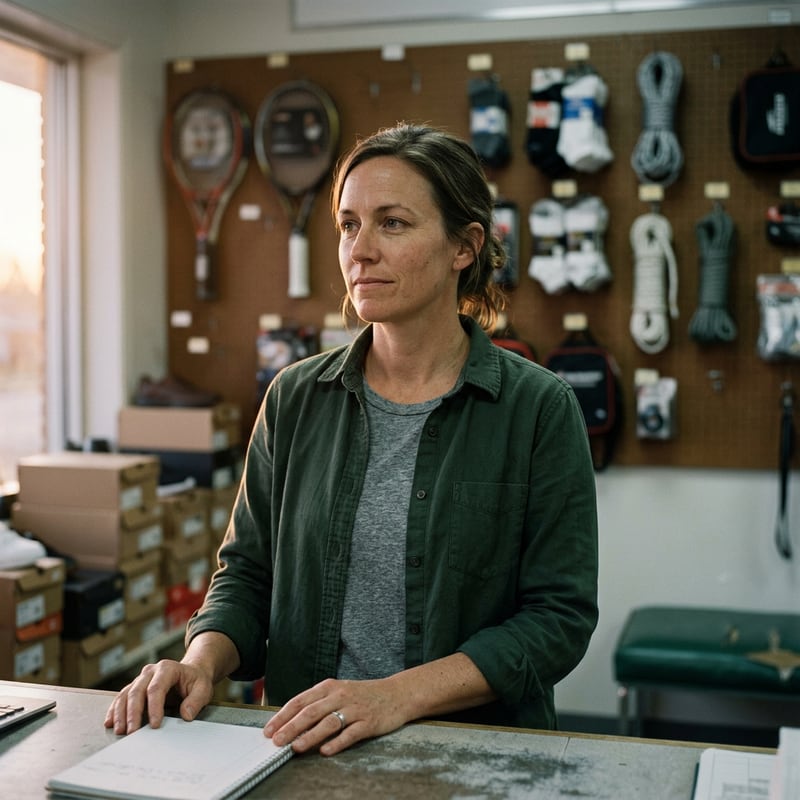
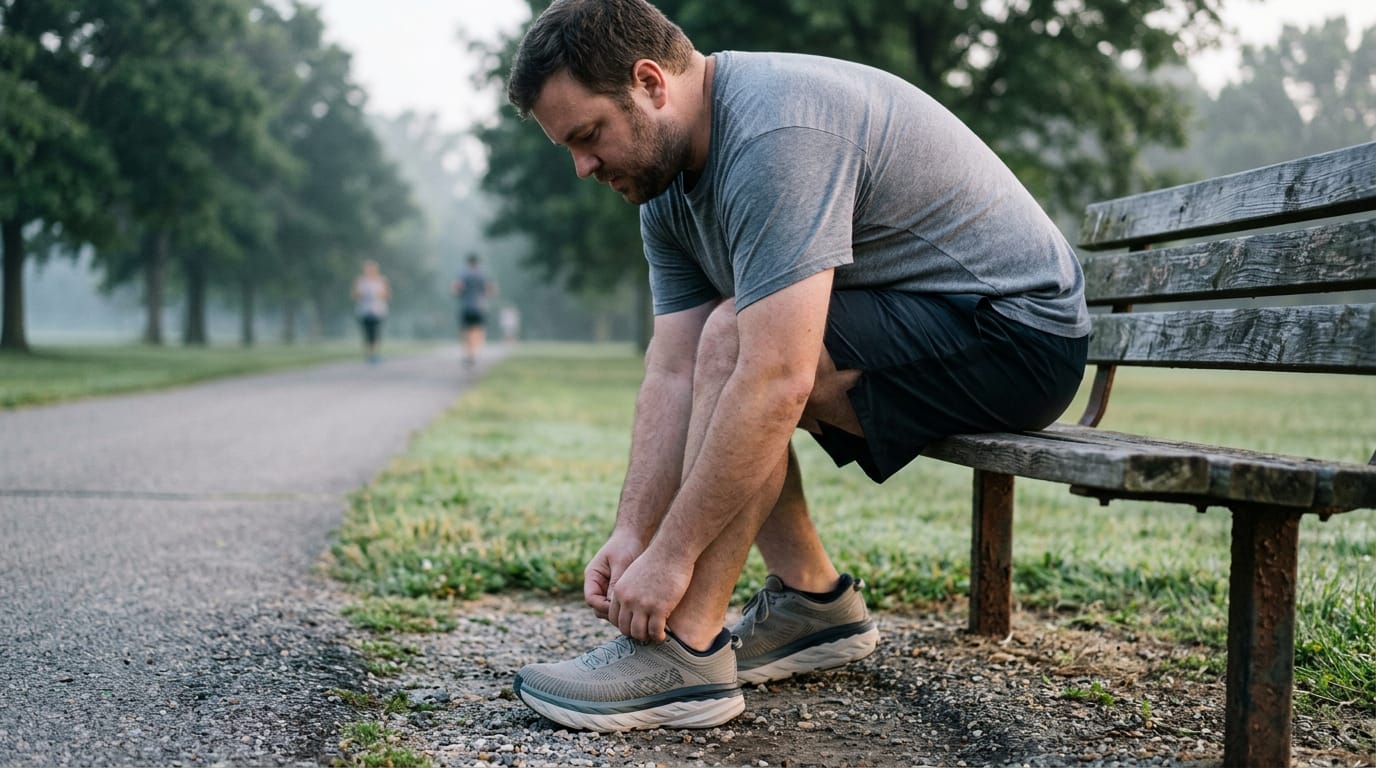
Think about a bike built for a quick spin around the block versus one built to haul groceries up a steep hill. Both have wheels, but only one is built for the load. Running shoes work the same way.
The more you weigh, the more force each stride sends through your feet, ankles, and knees, so you’ll want the right pair.
This guide covers the features that matter most, then matches them to your type of running, your width and stability needs, and how long a pair should last. We’ll finish with shop-counter fitting and replacement advice that most roundups skip.
Why Running Shoes for Heavy Guys Matter
Carrying extra weight changes what a running shoe has to do. Here’s what that means for your joints, how long your shoes last, and why most reviews skip you.
Who counts as a heavy runner
A useful starting point is anyone over 200 pounds (about 91 kg), including big guys, plus-size runners, and muscular runners. Heavy doesn’t always mean out of shape.
A muscular runner still lands with all that mass on every stride, and the shoe doesn’t care where the pounds came from.
Joint stress and how to avoid injury
Extra weight means extra force on every landing. Research on body size and load in healthy women points to greater stress on the knees and ankles while running, which is why fit matters for injury prevention.
Your shoe is the one piece of gear between you and that impact, so cushioning (the foam that absorbs landing force) and support have a bigger job to do.
A well-matched pair won’t fix a bad training plan, but it can ease some of that stress and keep you running instead of sidelined.
Why shoes wear out faster
The midsole is the foam layer between your foot and the outsole, and it takes the pounding. A study of running shoe midsoles treats a runner’s weight as one factor in durability, since shoes must withstand repeated loading.
It’s not just how much you weigh. It’s how many miles that weight has rolled over the same foam. Heavier loads break cushioning down sooner.
A podiatry practice’s guide to replacement mileage suggests heavier runners may need new shoes at 300 miles, while lighter runners can stretch to 500. Track your miles, and consider rotating two pairs so the wear is spread across both.
Think of a heavier runner who logs easy miles most days in the same pair and never writes the distance down.
Months later the knees start aching, and the shoes may have quietly passed the point where they still protect him. Shoes wear out. Your knees notice.
Why most shoe reviews skip bigger runners
Most reviewers aren’t built like you, so their notes on cushioning and fit may not carry over. Many race shoes are built narrow and light, which doesn’t always suit a bigger foot or a heavier stride.
Few roundups get expert input from bigger runners, and that’s the gap we’ll close.
What to Look for in Running Shoes
Most running shoes look alike on the rack, but a few features matter far more for heavier runners. Here’s what to check first.
Enough cushioning to soak up each impact
Every footfall sends a jolt up your legs, and that jolt grows with your weight. Look for a thick, soft midsole (the foam between your foot and the ground) for ample shock absorption. Check the stack height, the distance from the ground to your foot.
More stack means more buffer, but very tall shoes can feel wobbly on turns. Press the heel: if the foam is already packed flat, it’s prone to bottoming out before your run is over. Foams like React, Boost and ZoomX feel different underfoot, so try a few.
What’s a good weight for a running shoe? No single number fits every heavier runner, so skip the lightest pair on the rack. Feel beats the scale. Choose one that feels solid rather than clunky, with its weight going into cushion and support.
Stability that controls inward foot roll
Some runners roll their feet inward too far, a pattern called overpronation. A medial post, a firmer block of foam on the inside edge of the midsole, slows that roll. Some shoes add a rollbar, a rigid strip along the arch side.
Stability is about control, not stiffness. Look for a wide, stable base and a firm heel counter (the cup around your heel) that won’t fold when you squeeze it.
Consider a weekend player who runs three easy miles a week and feels his left knee ache by Thursday. A shoe with a medial post and firm heel counter is built to ease that load, so he can run Tuesday and Friday without limping into the weekend.
Wide base and room for your toes
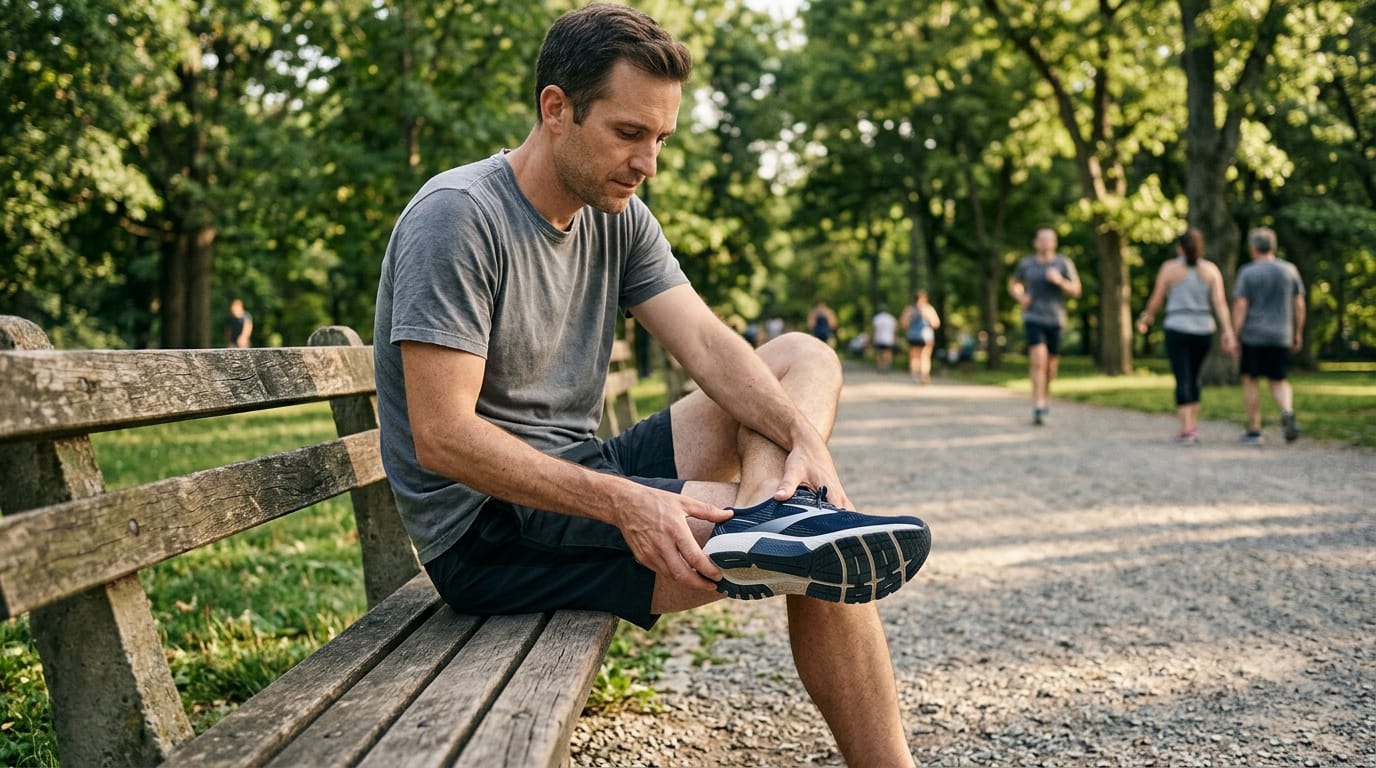
Wide feet are common among heavier runners, and a cramped front turns a good run into a sore one. Look for a wide heel landing pad, the broad back section that meets the ground first, and room for your toes to splay, or spread, as you push off.
Avoid narrow toe boxes, which squeeze the foot and invite blisters. Try shoes on late in the day, when your feet have swollen.
Materials that hold up over miles
Durability comes down to how a shoe is built, not how it looks. Look for reinforced stitching where the upper meets the sole, and thicker rubber on the outsole (the bottom tread) at the heel.
For midsole foam, EVA (ethylene-vinyl acetate) feels soft but can compress over time, while TPU (thermoplastic polyurethane) is tougher and more resilient.
Some shoes go through lab durability tests that flex them over and over, but your own miles are the real test.
Breathable uppers and waterproof options
The upper, everything above the sole, should let heat escape through breathable mesh. Moisture-wicking linings pull sweat away so your feet don’t stay damp.
Waterproof options use a membrane that blocks water but also holds in heat, so save them for cold or wet runs.
Small fit details that prevent discomfort
Padded collars (the rim around your ankle) and tongues cushion the spots most likely to rub. Secure lacing keeps your heel from slipping, and removable insoles let you swap in a thicker or custom option.
Watch for lace bite, the pinch across the top of the foot from laces pulled too tight. Loosen the top eyelets, and if the pinch continues, try a different lacing pattern.
Top Picks for Each Kind of Run
Your shoe should match the miles you actually log, not the ones you hope to log someday, so we’ve sorted the picks by run type. If this is your first real pair, start with an everyday trainer and add a specialist later.
Experienced runners who already know their stride can jump straight to the category that fits their next goal.
Everyday trainers for regular miles
Most of your running happens here, so this is where a shoe has to be the most dependable. Consider a heavier dad who runs three mornings a week before work, mixing easy jogs with the occasional hill.
A versatile trainer handles all of it without asking him to swap shoes every session. A shoe that’s dependable beats one that’s exciting for most of your miles.
Start with the Saucony Triumph and Hurricane, then try the Topo Phantom and New Balance Ellipse on the same day so you can compare.
Max cushion shoes for easy recovery days
Max cushion shoes put extra foam under your feet, which makes them a natural fit for recovery days. Slow easy miles are where they earn their place, because at a relaxed pace comfort matters more than speed.
The Brooks Ghost Max, New Balance More, Topo Atmos, and HOKA Bondi all belong in this group. Keep them for the slow days and save your lighter shoe for the harder ones. Easy means easy, and your shoe should feel that way too.
Shoes built for long runs and marathons
Long runs test a shoe differently: a small annoyance early on becomes a real problem late in the run.
Think of a heavier runner stacking long Sunday miles before his first marathon, who wants the shoe he trusts on Tuesdays to hold up through the final stretch. The Nike Invincible and Brooks Glycerin Max are built for long miles.
The Saucony Hurricane also works for long runs, so the pair that covers your regular miles may cover your long Sunday too.
Super trainers for tempo and race day
Super trainers sit at the fast end of the range, built for tempo workouts and race day. Here the job flips: you want a shoe that feels responsive when you push, not one that just feels soft.
Consider a club runner who wants one pair for Tuesday tempo runs and Saturday’s race, so there’s no swapping before the start.
The Asics Superblast 2, Mizuno Neo Vista 2, Adidas Prime X3 Strung, and Saucony Endorphin Speed are the picks here. Race day is no time to test a new shoe.
Stability shoes that limit inward rolling
If your foot rolls inward a lot as you land, a stability shoe helps limit that motion. A good one guides your stride rather than fighting it. Look at the Asics Gel-Kayano, Brooks Addiction GTS, Brooks Beast, Saucony Hurricane, and Mizuno Wave Horizon.
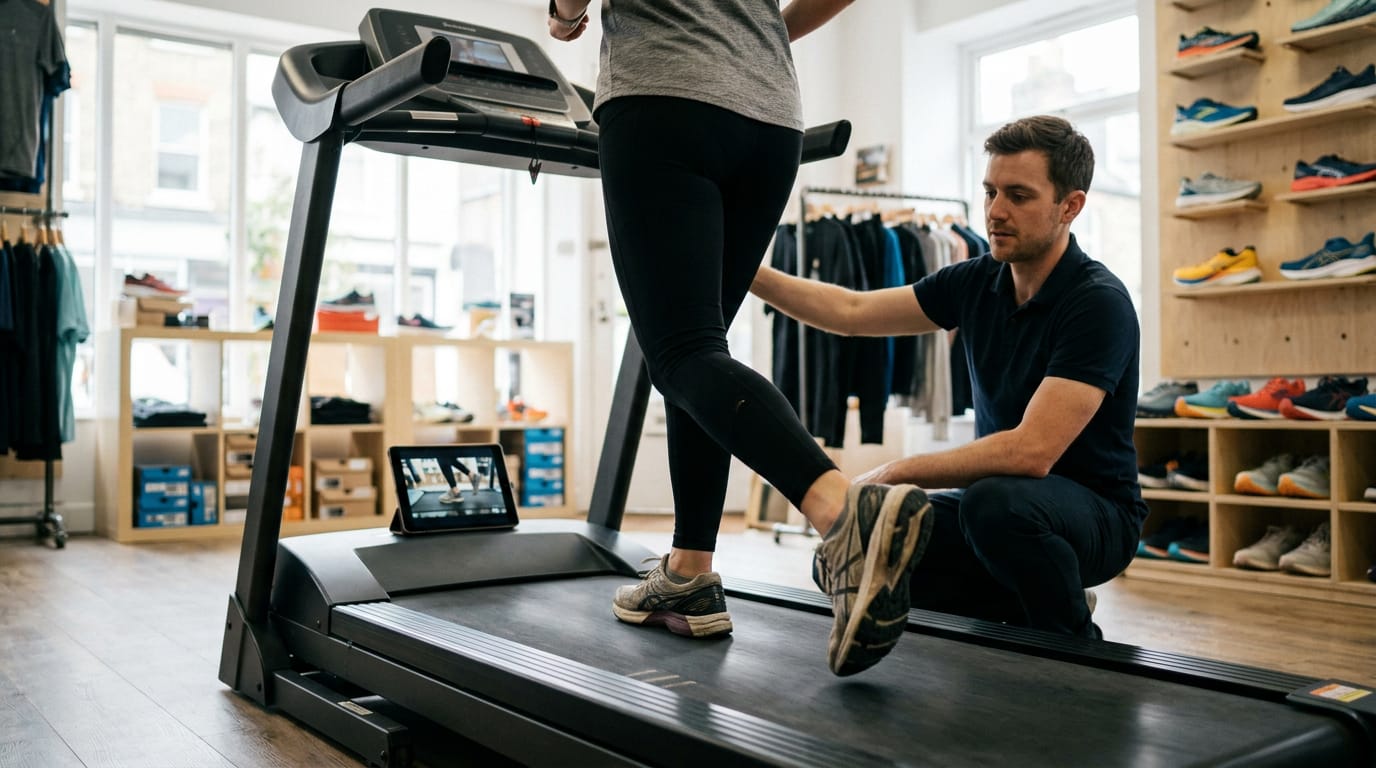
The Hurricane shows up in two groups, so compare it both ways. Not sure whether your foot rolls inward? Ask a shop to watch you run before you buy.
Neutral shoes that double as casual wear
Neutral shoes suit runners whose feet don’t roll inward much, so the shoe can move with a natural stride. Many also look at home outside the run.
Think of a heavier guy who runs before work and wears the same pair to the grocery store afterward, so he doesn’t need a separate pair for errands.
The Saucony Echelon, Nike Vomero, New Balance 1080 Fresh Foam, Ultraboost, and Reebok Floatride all sit here. Pick the category that matches your miles, then try on the top two before you check out.
Shoes for Specific Needs and Foot Types
Not every shoe fits every foot, so start with your needs before you buy.
Best options for wide feet
Width comes first, since a pinching toe box will cost you miles no matter how good the cushioning feels.
- Topo Aura 2: a worthwhile pick to try on if you need extra room up front.
- Brooks wide and extra-wide sizes: stick with a model you know and size up in width.
- Altra, New Balance and Saucony widths: check each brand’s options, since their fits don’t all match.
Get the width right first, then worry about the size on the box.
Shoes that fit orthotics and removable insoles
If you wear orthotics, start with the liner. A removable insole lets you pull out the foam pad so your orthotic has room to sit where it belongs.
- Best for orthotics: a roomy toe box so the device doesn’t crowd your foot.
- Removable foam insole: test the shoe with your orthotic in place, not the stock insole.
- Wide sizes available: if your orthotic adds bulk, a wide option may be the simplest fix.
Always bring the orthotic with you. Your test is fit with the insert in place, not how the shoe feels out of the box.
Support for flat feet and overpronation
Overpronation means your foot rolls inward more than it should with each step, and flat feet often make that worse. Consider a heavier runner with flat feet whose ankles roll inward as the miles pile up.
A stability shoe with real arch support keeps that stride steady.
- Stability for flat feet: firmer inner-side material to slow the inward roll.
- Arch support: a shaped midfoot that holds your arch up.
- Guidance systems: built-in features that steer your foot back toward neutral.
Support should guide your stride, not force it.
Options for older runners with foot problems
Older heavier men often juggle more than one foot issue. If plantar fasciitis (irritation of the thick tissue along the sole) or heel spurs (bony growths on the heel) is part of your story, you’ll want softness with stability.
Look for extra-soft stable cushioning: a shoe that pads you while keeping you steady. Soft is good. Wobbly isn’t.
Think of an older runner whose heel hurts for the first few steps every morning. A softer, stable shoe won’t cure that, but it can make those steps easier. If the pain lingers, see a doctor or podiatrist (a foot specialist).
Trail, budget and wet weather options
- Altra Olympus for trail: a pick if your long runs head onto dirt and gravel.
- ASICS Gel Pulse for budget: a lower-priced everyday shoe that skips the extras.
- Waterproof sneakers: worth a look for rain or wet grass, though they tend to trap heat.
On price versus features, a higher price only pays off if you’ll use the extras. A right-fit shoe at a lower price often beats a wrong-fit one at a higher price.
The best shoe is the one that fits your feet, not the one with the longest feature list.
How to Buy and Fit Your Shoes
A good fit beats a low price or a familiar logo. Here’s how to test a pair and dodge the sizing traps that catch heavier runners.
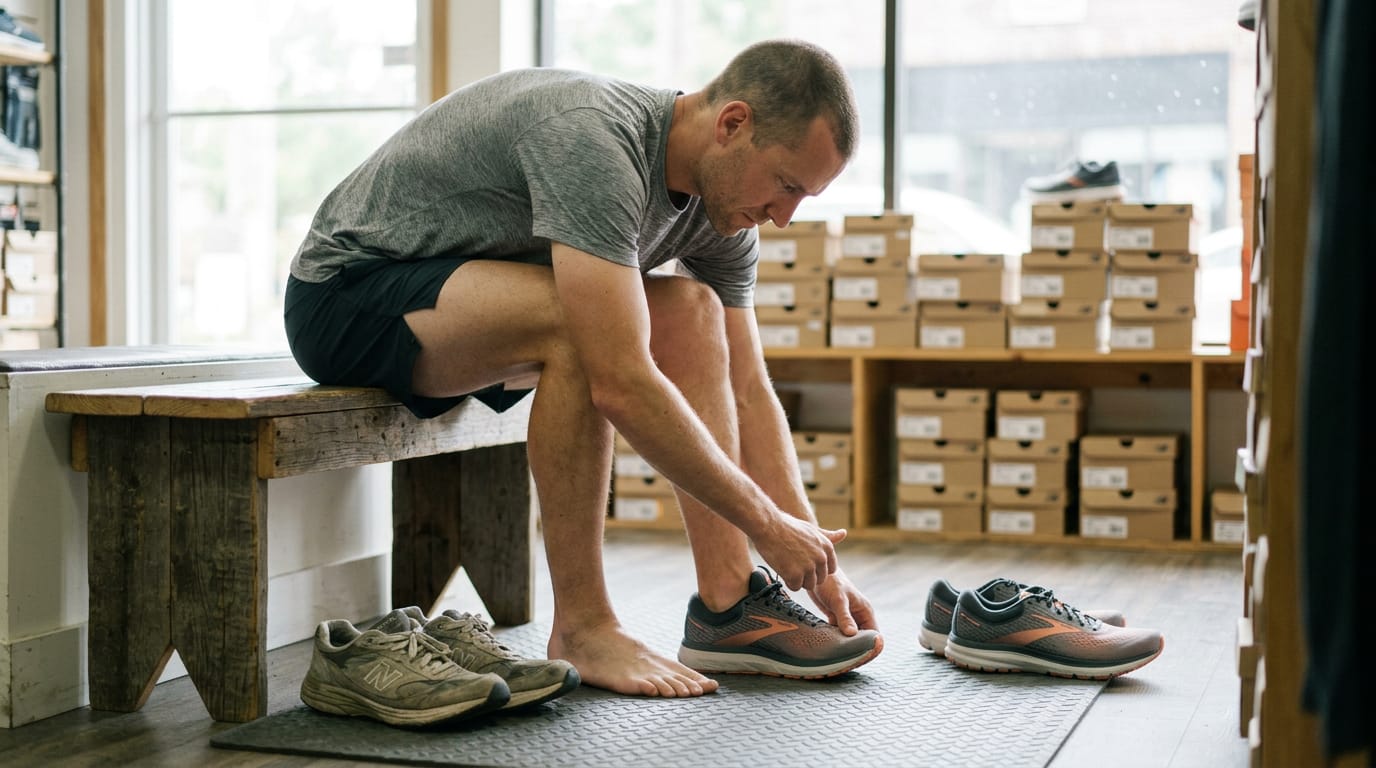
Try before you buy
Start at a specialty running store, where staff can run a gait assessment of how your foot lands and rolls. Then:
- Wear your usual running socks. Thin dress socks throw off the fit.
- Fit late in the day. Feet swell, so an afternoon fit is more honest.
- Leave a thumb-width of toe room between your longest toe and the front.
- Notice small annoyances. A slight heel slip now becomes a blister later.
Think of a dad training for his first 5K who feels a pinch on top of his foot and figures it’ll loosen up. It won’t. Trust that first impression. Buy for how you actually run, not how you hope to run next spring.
Buying online or in a store
Buying online saves a trip but adds homework. Check the return policy before you click, and read customer reviews from runners built like you. When the pair arrives, do an indoor trial run:
- jog a loop
- take the stairs
- check heel, toes, and sides
Do it before the return window closes, not after your first long run.
Why sizing changes between versions
Last year’s size is a starting point, not a guarantee. A new version of the same model can fit differently, even with the same name. The toe box, the front of the shoe, varies by brand, so a brand that fit you before may not now.
If you fall between sizes, try both, since a half size can change how your heel holds on a long run.
Balancing price and performance on a budget
Budget-friendly options exist. Last season’s model is often marked down, and if you already know its fit, that’s a smart buy. Premium pricing doesn’t always mean a better shoe for you, since the priciest pair may pack in features you’ll never use.
Aim for the sweet spot: the right fit at a fair price.
Can you do weights in running shoes? Yes, with a trade-off. Those soft, cushioned midsoles can compress under a heavy squat or deadlift and leave you wobbly. Consider a dad who runs Saturdays and squats Tuesdays.
He buys one soft trainer for both, wobbles through his heavy sets, and ends up buying a flatter gym shoe anyway.
How We Tested and Picked These Shoes
Good picks start with a clear method, so you know what each score actually means before you spend money. We tested in two stages: the lab first, then the road and advice from bigger runners.
What lab tests measured in each shoe
We checked four things in the lab:
- Shock absorption. Every shoe went through the same protocol, so the results compare directly.
- Stack height. Measured with calipers, this is the cushioning between your foot and the ground.
- Midsole softness. A durometer, a gauge that rates how firm or soft a material is, shows how the foam feels. Softer isn’t automatically better.
- Lateral stability. These tests check how well a shoe resists rolling or sliding side to side.
Field tests and advice from big runners
Numbers only get you so far, so we paired the lab work with four kinds of field input:
- Big and tall reviewer. Feedback from a big and tall reviewer, since heavier runners are who this guide is for.
- Martinus Evans interview. Advice from our conversation with Martinus Evans on what heavier runners really need.
- Wear-test impressions. How each pair felt on real runs.
- Subjective personal list. Our gut-level notes on each pair, the calls a spec sheet can’t make.
Think of a heavier runner training for his first half marathon. He wants a shoe that feels plush in the store and still supports him at mile ten. The spec sheet can’t promise that.
It’s less about what the box claims and more about how the shoe holds up over the distance, and that’s what we looked for. Every pick had to earn its spot in both the lab and on the road.
Caring for Your Feet and Avoiding Injury
Good shoes do a lot of work, but they can’t do it all. How you train, recover and protect your skin matters just as much.
Training habits that keep heavy runners healthy
- Warm up and cool down. Spend a few minutes walking or moving lightly before you run, then ease down with a short walk afterward.
- Increase mileage gradually. Think progress rather than leaps. Add a little distance each week instead of jumping from short runs to long ones overnight.
- Listen to pain signals. Soreness that fades within a day or two is normal. Sharp or lingering pain, especially in the shins, heels or knees, is your body telling you to back off.
- Cross-training and rest days. Swimming, cycling or strength work builds fitness without pounding the same tissues every day, and rest days give them time to recover.
Think of a heavier runner who goes from two easy miles to six on a Saturday because the group is heading out long. By midweek his shins ache, and he’s sidelined for weeks. A slower build would have kept him on the road.
Chafing and blisters are small problems that can end a run early, and they’re easier to prevent than to treat. Wear moisture-wicking socks, keep your feet as dry as you can, and use an anti-chafe balm on inner thighs and underarms wherever skin rubs.
If a hot spot starts, stop and address it before it turns into a blister.
Choosing a running shoe at a heavier weight comes down to a few things done well: enough cushioning and support for every stride, a fit that suits your foot shape, and a replacement schedule you actually follow.
Match the shoe to how you run, not how you wish you ran.
Take your time with fitting, lean on the people at the shop, and pay attention to how your legs and feet feel after each run. The right pair fades into the background, which is exactly what you want from a running shoe.
References
- 500 Miles/800 Km May Not Be Point Of Degradation For Running Shoe Midsole Material Properties — doi.org (2024)
- Effects of body size and load carriage on lower-extremity biomechanical responses in healthy women — pmc.ncbi.nlm.nih.gov (2021)
- When to Replace Running Shoes Miles 2026 — michiganfootdoctors.com (2026)
Questions
What are the best shoes for heavy runners?
Heavy runners should look for shoes with ample cushioning, a wide and stable base, a secure heel counter, and enough toe-box room. Stability features can help if your feet roll inward, while the best overall choice depends on your foot shape and the kind of runs you do. Try shoes on and choose the pair that feels supportive and comfortable, not simply the lightest or most highly rated.
What's a good weight for a running shoe?
There is no single ideal weight for a running shoe. Choose one that feels solid rather than clunky, with its weight providing the cushioning and support you need; comfort and fit matter more than the number on the scale.
Can I do weights in running shoes?
Yes, you can lift weights in running shoes, but soft cushioned midsoles can compress during heavy squats or deadlifts and make you feel unstable. For heavy lifting, a flatter, firmer gym shoe may provide a steadier base.
Sources
- Effects of body size and load carriage on lower-extremity biomechanical responses in healthy women, pmc.ncbi.nlm.nih.gov,
- 500 Miles/800 Km May Not Be Point Of Degradation For Running Shoe Midsole Material Properties, doi.org,
- When to Replace Running Shoes Miles 2026 | DPM, michiganfootdoctors.com,
Find your level
The Counter