Running Shoes for Marathon Training: How to Choose
Running shoes for marathon training should fit well before they look fast; compare training, racing and recovery shoes, with models for each level.
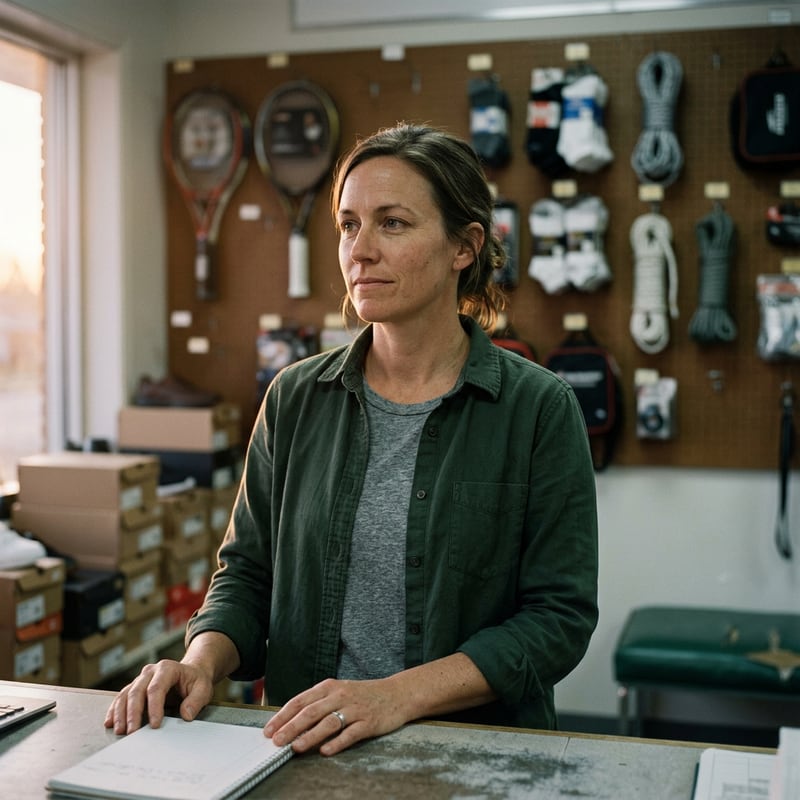
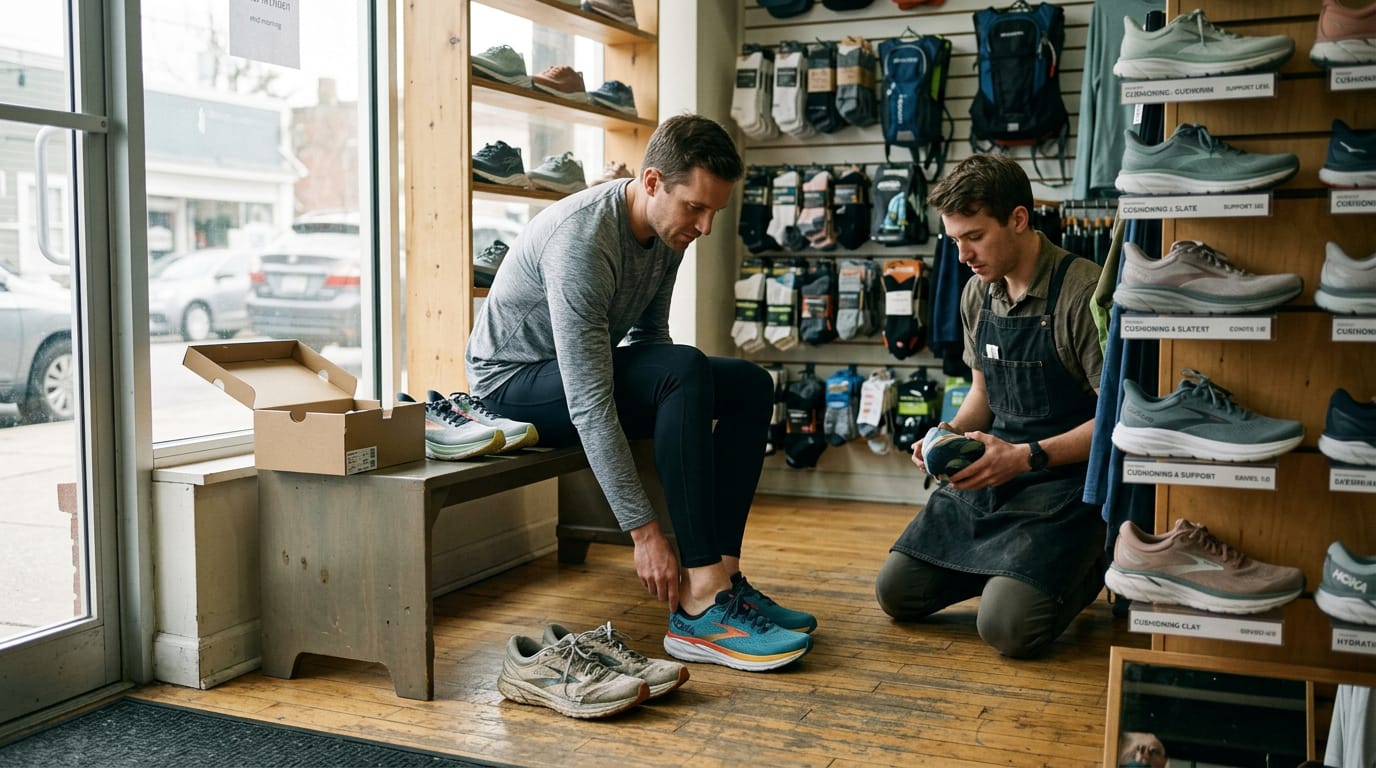
Choosing running shoes for marathon training is a lot like picking a car for a cross-country road trip. The one that looks sharpest in the driveway doesn’t matter if it’s miserable by hour six.
Your shoes carry you through months of long runs, so fit matters more than the logo.
This guide covers how to judge fit, which shoe types suit training, racing and recovery, a few models worth a look, and picks by experience level. We’ll also share the rotation and replacement advice a good shop gives across the counter.
Choosing Running Shoes for Marathon Training
Marathon training racks up miles, so your shoe has to handle cushioning, fit, stride and materials. Here’s how we’d weigh each one.
How much cushioning is right for you
The midsole, the foam layer under your foot, does most of the shock absorption. More cushioning helps protect your joints as long runs stretch out. Too much can backfire, though. Softer isn’t always better.
Aim for a balance of softness and spring: give to absorb impact, bounce to move you forward.
Getting the fit and size right
Feet swell as you run, so check these before you pay:
- Room for swelling. Shop in the afternoon or evening.
- Thumb’s width. Leave about a thumb’s width in the toe box.
- Roomy toe box. If your toes feel squeezed, go wide or roomy, not bigger.
- Snug heel and ankle. Your heel shouldn’t slip when you walk or jog.
Think of a first-time marathoner who shops at 6 p.m. after a long shift. Her toes feel cramped in one pair, so she switches to a roomier model that still fits at mile 20.
Reading your stride and foot roll
Pronation is how your foot rolls inward after landing. Overpronation means it rolls in too far, while underpronation means it doesn’t roll in enough. Neutral shoes suit an even roll, and support shoes add guidance for runners who roll in more. Runners who roll in more often want to know who really needs stability running shoes.
A gait analysis at a running shop shows how your foot strikes and moves. Foot shape matters too, since a high arch or wide forefoot may point you toward different models. Pick the shoe that suits how you run, not how you wish you ran.
Choosing the sole, upper and materials
The outsole, the rubber on the bottom, needs durable tread that suits your routes. A breathable knit upper keeps you cooler on warm days. Waterproof options suit rainy blocks but are niche for most runners.
Lighter shoes feel quicker, but don’t give up the cushioning you need for long runs.
Heel drop is the height difference between heel and forefoot. Is high heel drop bad for the knees? Not automatically, but heel drop does matter.
A study, Shoe heel-toe drop affects running economy found that heel drop can affect stress on the knees, and that a lower drop reduced knee extension moments compared with a higher one.
If your knees already complain, a lower drop may be the easier choice.
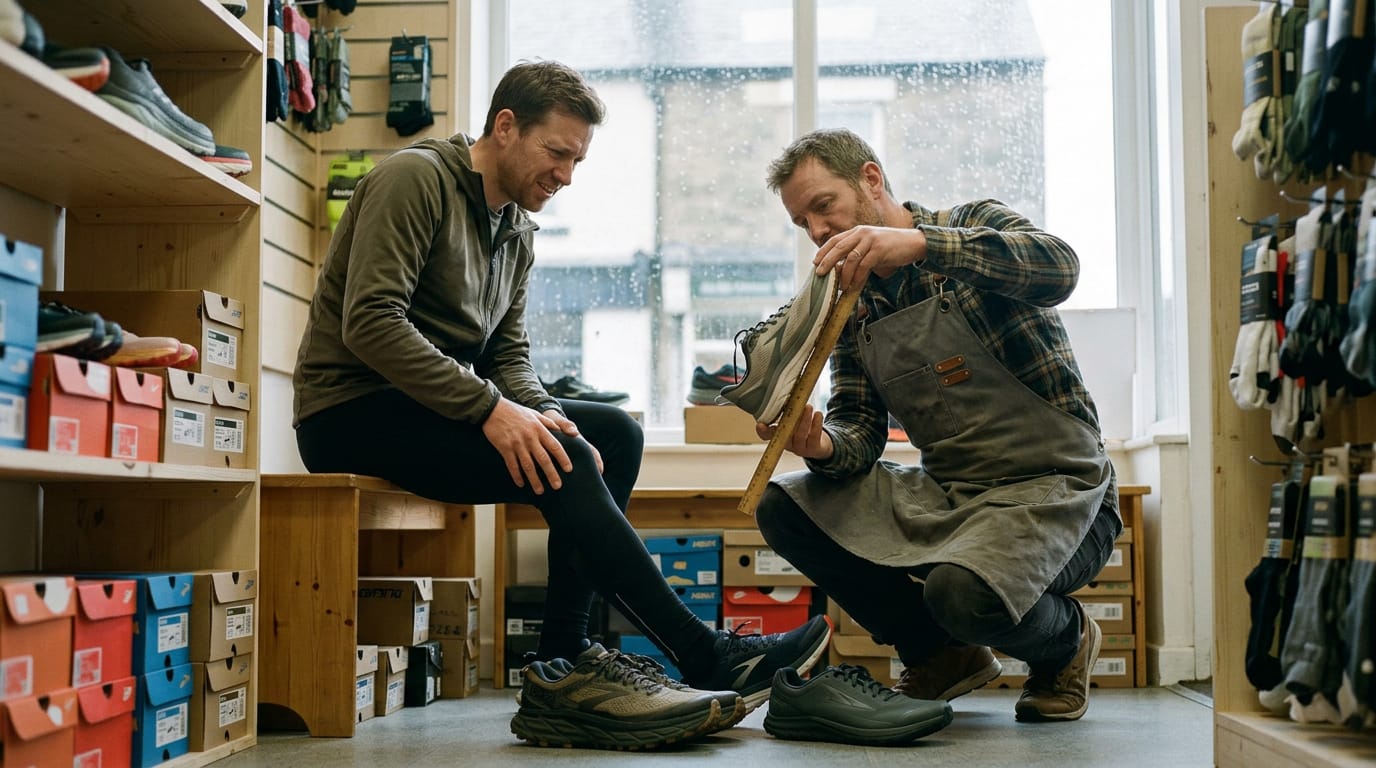
Shoes for Training, Racing and Recovery
Marathon training needs more than one pair, so we’ll sort out each job.
Can you run a marathon in training shoes?
Yes, and plenty of runners do. Here’s what a training shoe offers:
- Reliable everyday trainers. Steady cushioning for easy days.
- High-mileage comfort. Stays comfortable as the miles pile up.
- Durability over long cycles. Built to last the whole block.
- Workhorse versatility. One pair covers most weekly miles.
Think of a club runner who saves her lighter racers for race day, so her legs feel familiar on long runs. Rotating a couple of trainers spreads out the wear. Track the miles, not the calendar.
According to UCSF Health, shoes lose elasticity over time and miles, so replace them based on mileage.
Race day shoes with a carbon plate
Carbon-plated super shoes are racing shoes with a carbon plate, and they can help you run faster.
A study of world marathon majors found advanced footwear technology significantly improved total finish time, about 1.7 percent for men and 4.0 percent for women.
Part of that comes from running economy, or how much energy you spend at a given pace. According to PX7 Training, the newer shoes lowered the energy cost of running by about 4 percent compared with established racing shoes.
Super shoes take getting used to, so you’ll want to wear them on a few long runs first. Race shoes should be proven on your legs, not new on race morning.
Shoes that ease tired feet after runs
Recovery shoes help tired feet in the hours after you finish:
- Relieves foot fatigue. Soft cushioning gives worn-out feet a break.
- Arch support after runs. A supportive footbed keeps tired arches comfortable.
- Impact-absorbing foam. Thick foam soaks up the jolt of hard pavement.
Shoe Models Worth a Look
Once you know your fit and shoe type, a few models are worth testing. Here’s how the picks break down by what you need the shoe to do, so you can start with the job, not the logo.
Highly cushioned shoes for comfort
These models put comfort first, with plenty of cushioning underfoot. If your long runs leave your legs feeling beat up, start here.
- ASICS Nimbus: a comfort-first pick for high-mileage weeks.
- HOKA Clifton: a cushioned option for steady everyday miles.
- On Cloudstratus: a plush ride for long, easy efforts.
- Altra Torin: a soft-landing choice for runners who want extra padding.
Consider a first-time marathoner logging long Sunday runs in summer heat. A plush shoe that still feels good at mile 18 means fewer aches the next morning.
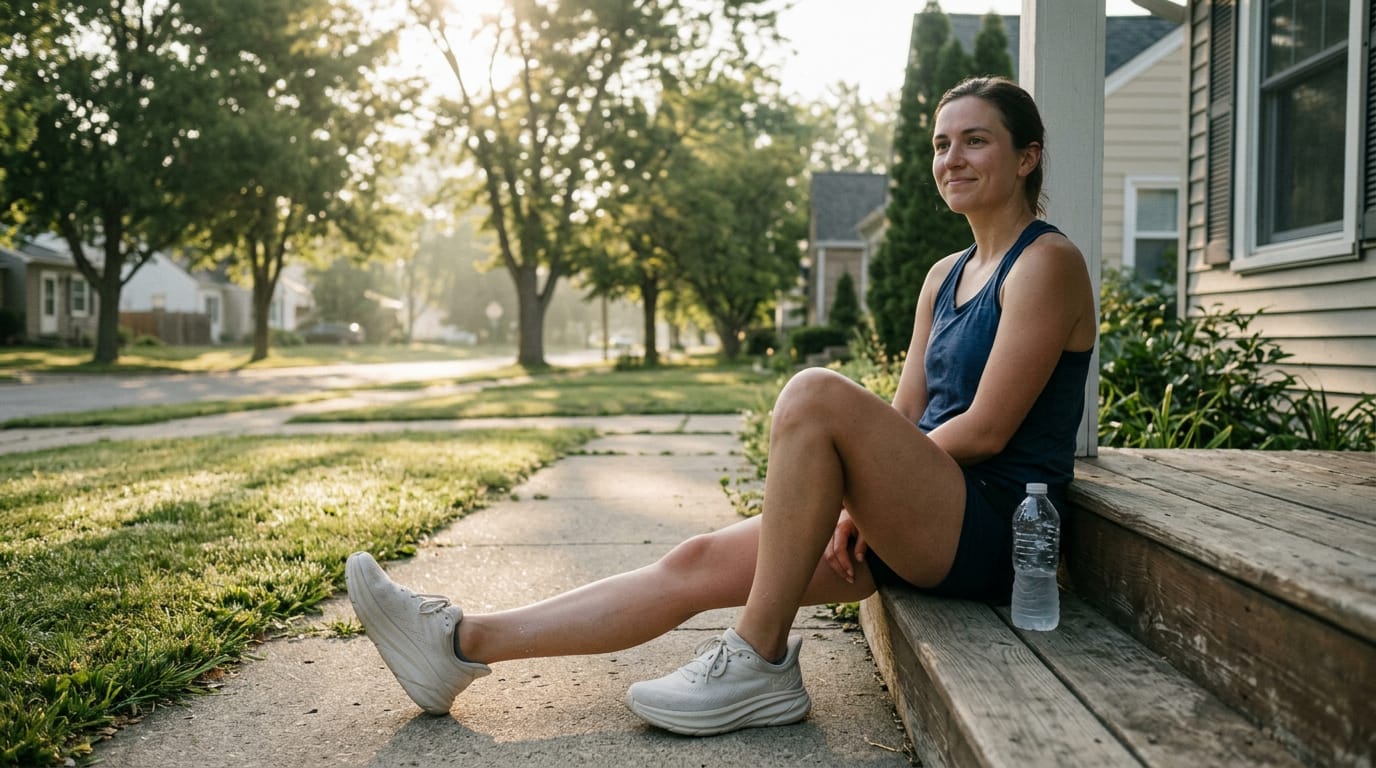
Trainers that do a bit of everything
Not every run calls for maximum padding. These versatile options cover easy days, workouts and long runs alike.
- New Balance Fresh Foam: a versatile daily option.
- Brooks Levitate and Hyperion: two lines worth comparing if you want one shoe for many jobs.
- Mizuno Wave Rider: a steady all-rounder for training blocks.
- Nike Pegasus: a long-running staple for everyday miles.
The best trainer is the one you’ll wear on a Tuesday run, not the one that looks best on the shelf. Fit still wins.
Models built for speed and racing
Built for race day and fast workouts, these trade all-day comfort for a snappier feel. Save them for those moments.
- Nike Vaporfly: a race-day option for runners chasing a fast finish.
- Puma Fast-R Nitro Elite: a speed-focused pick for quick efforts.
- Brooks Hyperion Elite: built for hard workouts and goal races.
A marathoner who wears these only for interval days and race day keeps them fresh for the moments that count.
Unusual picks for specific needs
When the standard options don’t solve your problem, these fill the gap. Reach for them when a need is clear, not as your default.
- Waterproof knit sneakers: for training through wet, rainy weeks.
- Karhu 3D-scanned fit: a shoe fitted to a 3D scan of your foot.
- Removable insole for orthotics: room to swap in your own orthotics.
- OOFOS recovery sandals: easy slip-ons for tired feet after a long run.
Consider a runner with custom orthotics who keeps the support she relies on by choosing a shoe with a removable insole. Solve the problem first, then pick the shoe.
Matching Shoes to Your Running Experience
Your shoe should match the runner you are today, not the one you hope to be by race day. The right pick shifts as your mileage and experience grow.
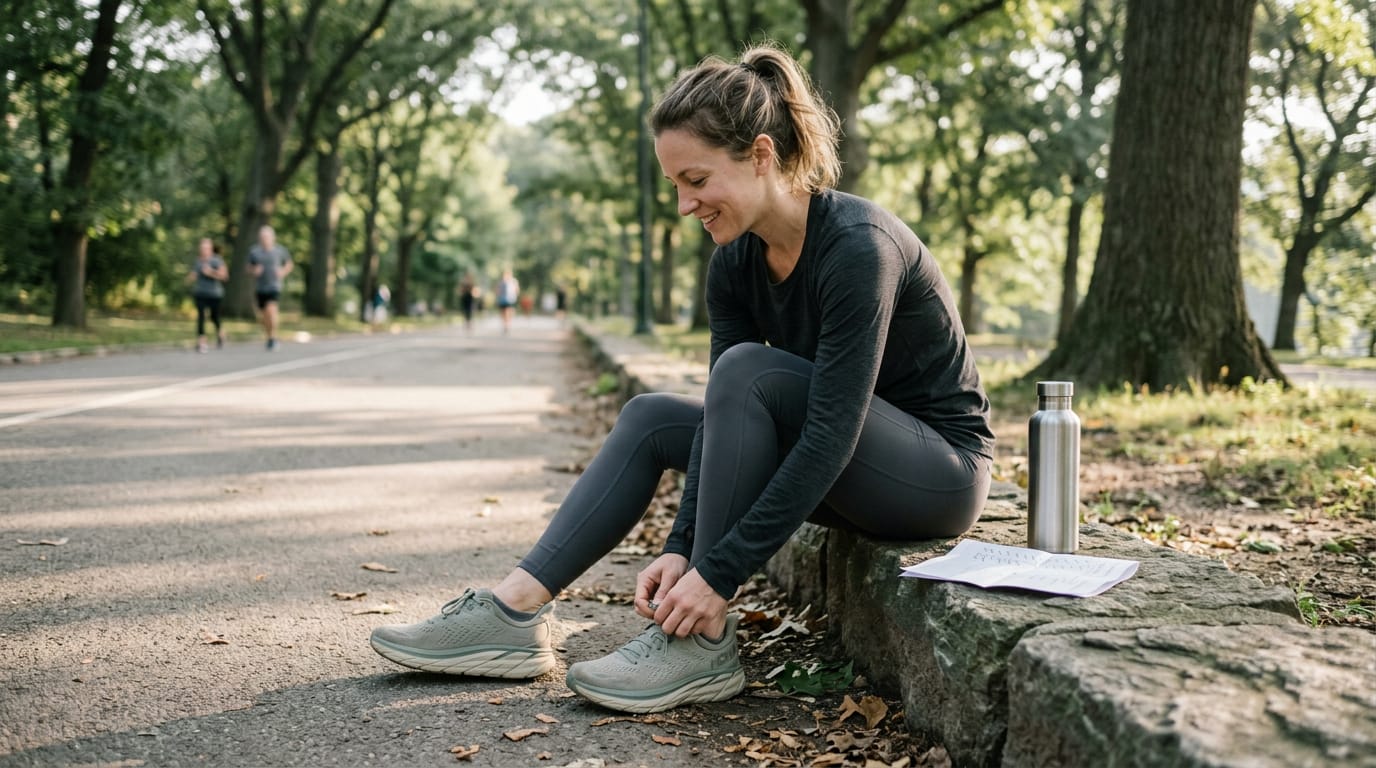
Shoes for first-time marathoners
If you’re new to marathon training, your shoe’s main job is making long, slow miles comfortable. Look for medium-to-high cushioning, the padding that absorbs impact between your foot and the road. Runners who want more padding than medium-to-high can explore the most cushioned running shoes.
A plush, forgiving ride keeps your legs fresh when training runs stretch past the hour mark. Consider a new runner with three easy runs a week and a long Sunday outing.
A cushioned shoe that feels fine on Tuesday and still feels fine on Sunday is exactly what you want.
Easy-riding neutral shoes fit this stage well. They don’t add motion control, so your stride can move the way it naturally does. For first-timers, comfort matters more than speed, and how the shoe feels should make the call.
What experienced runners should look for
Experienced runners often want less from their shoes, not more. Less reliance on cushioning means a firmer, more responsive platform that lets you feel the road and push off with your own legs.
Speed-focused designs take that further with lighter builds suited to tempo runs and race-pace workouts. The trade-off is that they ask more of you.
These shoes can also help you improve form and technique. A firmer, lighter shoe gives quick feedback, so a sloppy stride shows up fast.
Think of a club runner who has run several marathons and keeps a lighter pair for Thursday intervals and a cushioned pair for Sunday long runs. Each shoe does its job, so neither one has to compromise. Fit still comes first.
Other Parts of Marathon Training
Shoes are only one part of getting ready. Mileage, easy runs and socks matter too.
Building endurance step by step
Endurance builds over weeks, so grow your mileage gradually rather than all at once. A periodized training program for beginner marathon runners describes plans that build endurance by increasing mileage in preparation for the 26.2-mile race.
Picture a weekend runner who jumps from short jogs straight into long Sunday runs, and whose shins pay for it.
Keep about 80% of your weekly miles as easy-paced mileage, meaning runs where you can still hold a conversation. Save faster efforts for the rest. Your easy runs do most of the building, so don’t rush them.
Preparing for 26.2 miles is really about rehearsal. Work up to longer runs well before race day, and use them to test your pace, fueling and gear.
Helpful gear and cross-training ideas
A few smart additions help the miles feel manageable:
- Functional apparel. Choose fabrics that wick sweat away, since cotton stays wet and heavy once you start sweating.
- Running watches. A basic watch shows when your pace creeps up, so your easy days don’t turn into hard ones.
- Cycling or swimming. Think of a first-time marathoner who swaps one short run a week for an easy bike ride or swim. Her fitness keeps building while her joints get a break.
- Resistance training. A couple of short strength sessions a week, focused on hips, core and calves, help your legs handle repeated impact.
- Socks and blister prevention. Pick a snug, seamless, moisture-wicking pair, since friction is the usual culprit behind blisters.
Marathon training asks a lot of your feet, so the shoe you choose should make that job easier, not harder. Get the fit right first, match the shoe to the day it’s for, and pick the level that fits where you are right now.
Rotate pairs when you can, and replace them when they stop feeling right, even if they still look fine.
Good shoes disappear once you’re running. That’s exactly what you want on race day.
References
- The impact of advanced footwear technology on running performance and pacing in world marathon majors — pmc.ncbi.nlm.nih.gov (2026)
- Shoe heel-toe drop affects running economy — doi.org (2026)
- Choosing the Right Running Shoe | Patient Education — ucsfhealth.org (2026)
- Periodized Training Program for Beginner Marathon Runners — scholarworks.gvsu.edu (2013)
- How much do carbon-plated shoes help? — px7.training
Questions
Can you run a marathon in training shoes?
Yes. Many runners complete marathons in training shoes, which are designed to provide reliable cushioning and comfort over long distances. Choose a pair that fits well and feels comfortable on long training runs, and avoid wearing out shoes before race day.
Is high heel drop bad for the knees?
No, a high heel drop is not automatically bad for your knees, but heel drop can affect knee loading. Research has found that lower-drop shoes can reduce knee extension moments compared with higher-drop shoes; if your knees are uncomfortable, a lower drop may feel easier.
Is 42k a full marathon?
Yes. A full marathon is 42.195 kilometers, commonly rounded to 42 kilometers or 26.2 miles.
Sources
- How much do carbon-plated shoes help? · PX7 Training, px7.training
- The impact of advanced footwear technology on running performance and pacing in world marathon majors, pmc.ncbi.nlm.nih.gov,
- Periodized Training Program for Beginner Marathon Runners, scholarworks.gvsu.edu,
- Shoe heel-toe drop affects running economy, doi.org,
- Choosing the Right Running Shoe | Patient Education | UCSF Health, ucsfhealth.org,
Find your level
The Counter