Bike Gears Explained for Hills, Flats and All Terrain
Bike gears explained: see how gear range changes hill climbs and flat rides, how many gears you need, and which setup suits the way you ride.
Ever pushed up a hill in the wrong gear and felt like you were grinding through wet sand? Bike gears fix that. Think of them as a car’s transmission: they let you match your effort to the terrain, so climbs feel doable and flats don’t feel wasted.
Gears work by pairing a chainring at the pedals with a cog on the rear wheel, and that combination sets how hard each pedal stroke feels.
Here, we’ll explain how those parts create gear ratios (the balance of effort and speed each pairing gives you), how to shift without damaging your drivetrain, and how many gears you really need. Then we’ll help you choose a setup that fits how you ride.
Why Bikes Need Several Bike Gears
A single gear handles a flat path well, but it struggles once the road tilts uphill or the wind picks up.
What gears are actually for
Each gear pairs a chainring (the toothed wheel at the pedals) with a cog (a toothed wheel on the back wheel). A big chainring with a small cog is the hardest gear to pedal, but it carries you farthest per turn.
A small ring with a big cog is easiest for climbing. It’s less about how many gears you have and more about which ones you reach for.
Gears earn their keep in a few ways:
- Match gear to conditions. Climbs call for easy gears, while flats and tailwinds reward harder ones.
- Enhance rider experience. A comfortable rhythm means you don’t have to mash the pedals.
- Adapt to terrain and weather. Wet, gusty or gravel rides need different gearing than dry pavement.
- Suit beginners and veterans. Newer riders can stay in easy gears while veterans use the full range.
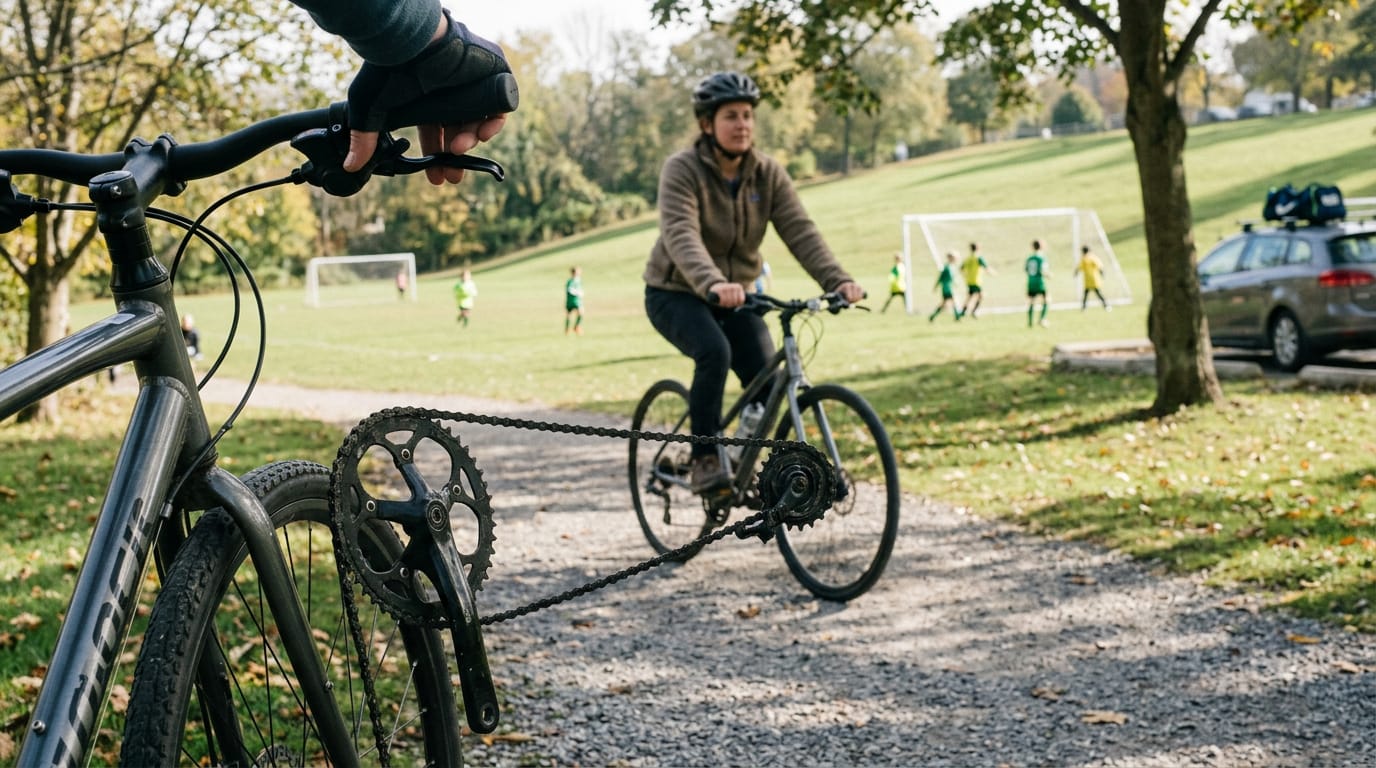
Consider a parent riding to Saturday’s youth game through a hilly park. Easy gears get them up the first climb, and harder gears carry them along the flat stretch without spinning out, so they arrive with legs to spare.
To use gears well, shift before a hill forces your hand, and ease off the pedals for a moment while you change. Shift early.
How bikes evolved over the years
Bikes started as simple transport. Over time they grew into varied options for commuting, climbing and weekend riding.
Modern bikes offer different gear setups to suit different riders and riding needs. According to Building a cyclist’s comfort guide, combining different sizes and ranges makes an almost infinite set of drive ratios possible.
Some bikes now reach up to 27 gears, more choice than most riders use on one ride.
How Many Gears Do You Actually Need?
Bikes range from a single gear up to 27, but the count matters less than the gear range, the spread from your easiest gear to your hardest. Your riding decides which setup fits.
Riding with only one gear
The one-gear view, associated with Sheldon Brown, holds that one gear can carry many riders through everyday rides.
Motorcycles need gears, so the gears-versus-motorcycle argument asks whether bikes do too, and your legs change the answer because you control the effort.
According to Cycling Scotland’s essential cycling skills guide, a single gear is low maintenance and “most suited for shorter, mostly flat journeys,” so the answer depends on the rider.
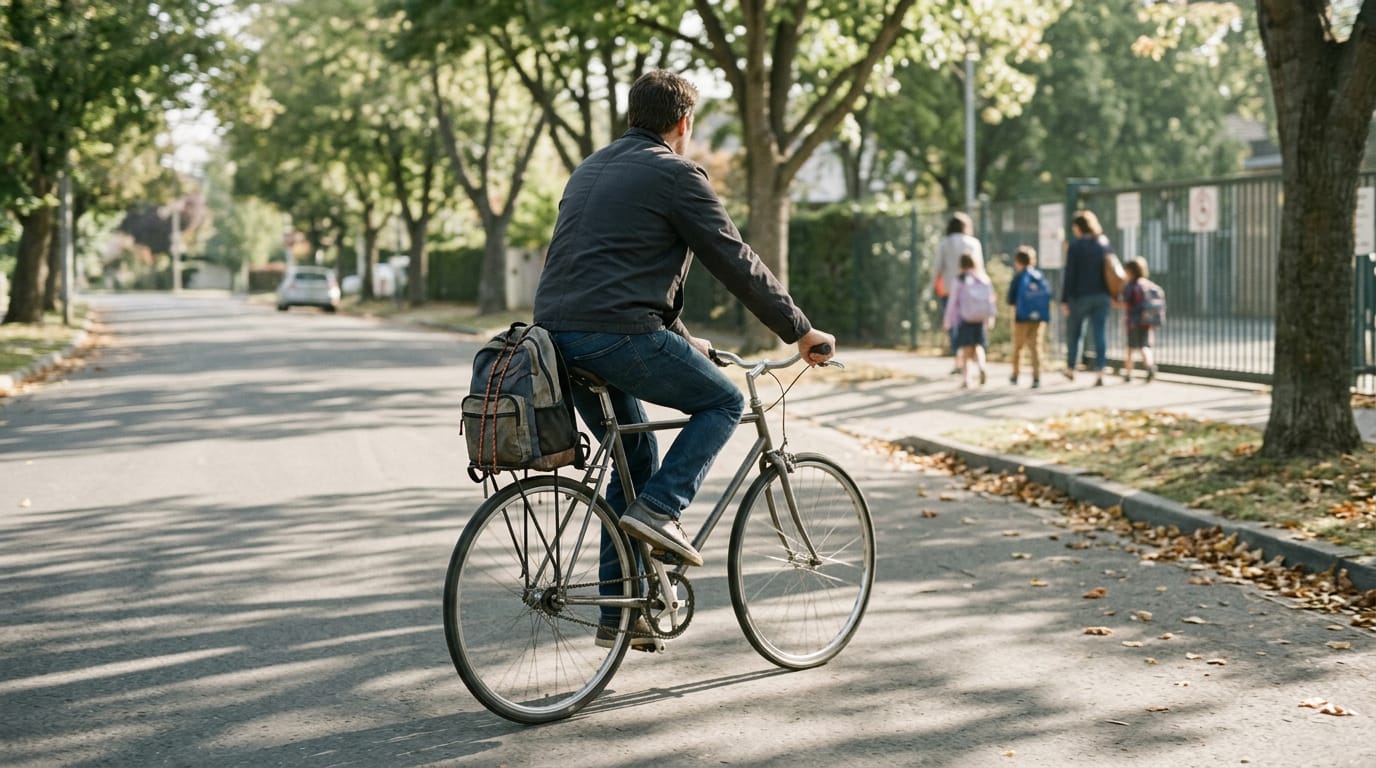
Consider a parent pedaling a few flat kilometers to school drop-off, where one gear means less to adjust and less to maintain.
Two gears for short trips
Two gears cover short café or shop trips, where a low gear for starting off and a higher one for cruising does most of the work. On flat city riding, the same spread keeps you rolling from traffic lights to open streets.
Occasional hills are manageable in the low gear. Two gears work best when hills are the exception rather than the rule.
Why three gears feel just right
Three gears are often seen as the perfect number, covering flats, hills and city streets. Each gear trades speed for pull:
- the low one helps you climb
- the high one rewards you on the flat
- the middle one protects your stamina
That suits everyday riders and pros alike. Yes, road bikes have gears too, and the same logic applies: range matters more than count.
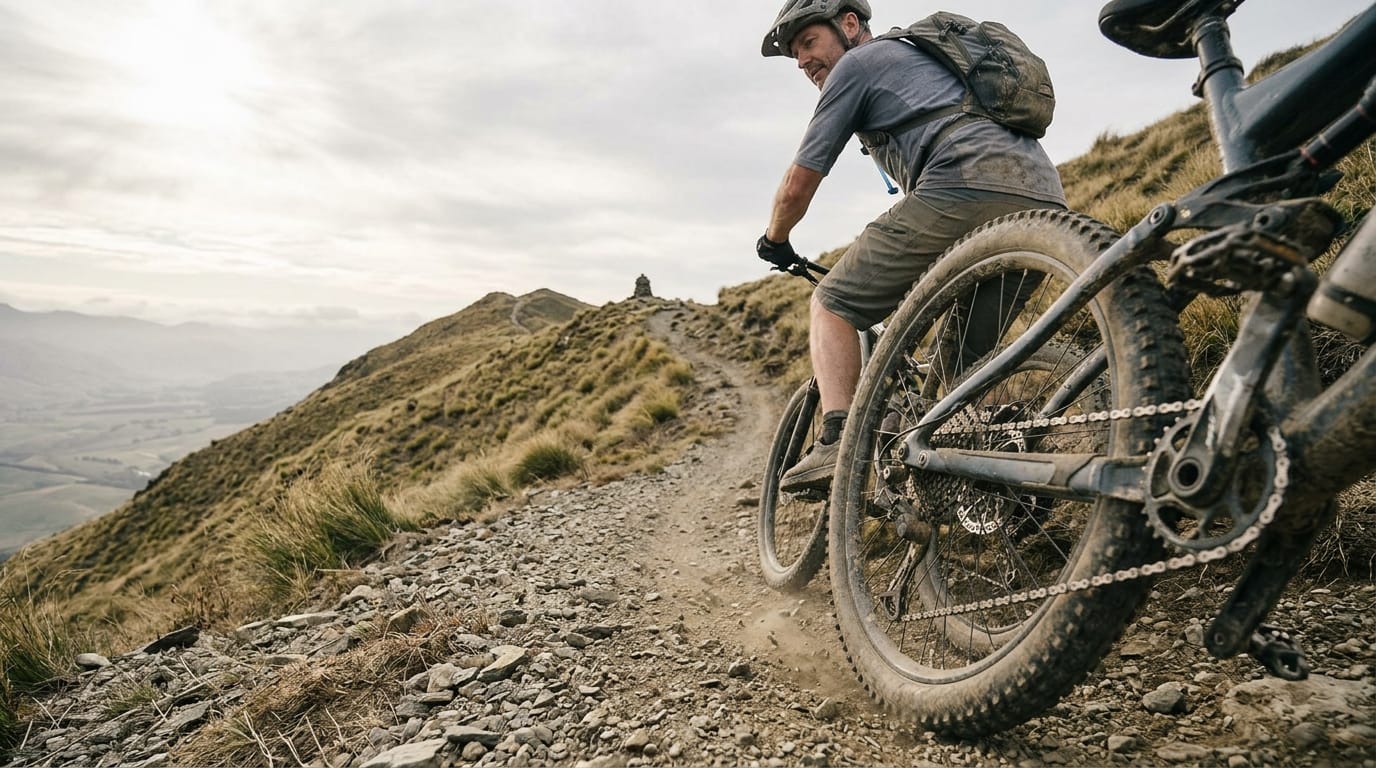
Where 27 gears suit tough mountain tracks
Matching gear to conditions is the key on a mountain track. Which is better, 7 gear or 21 gear? Neither wins on count alone. It’s less about how many gears you have and more about which ones you can reach.
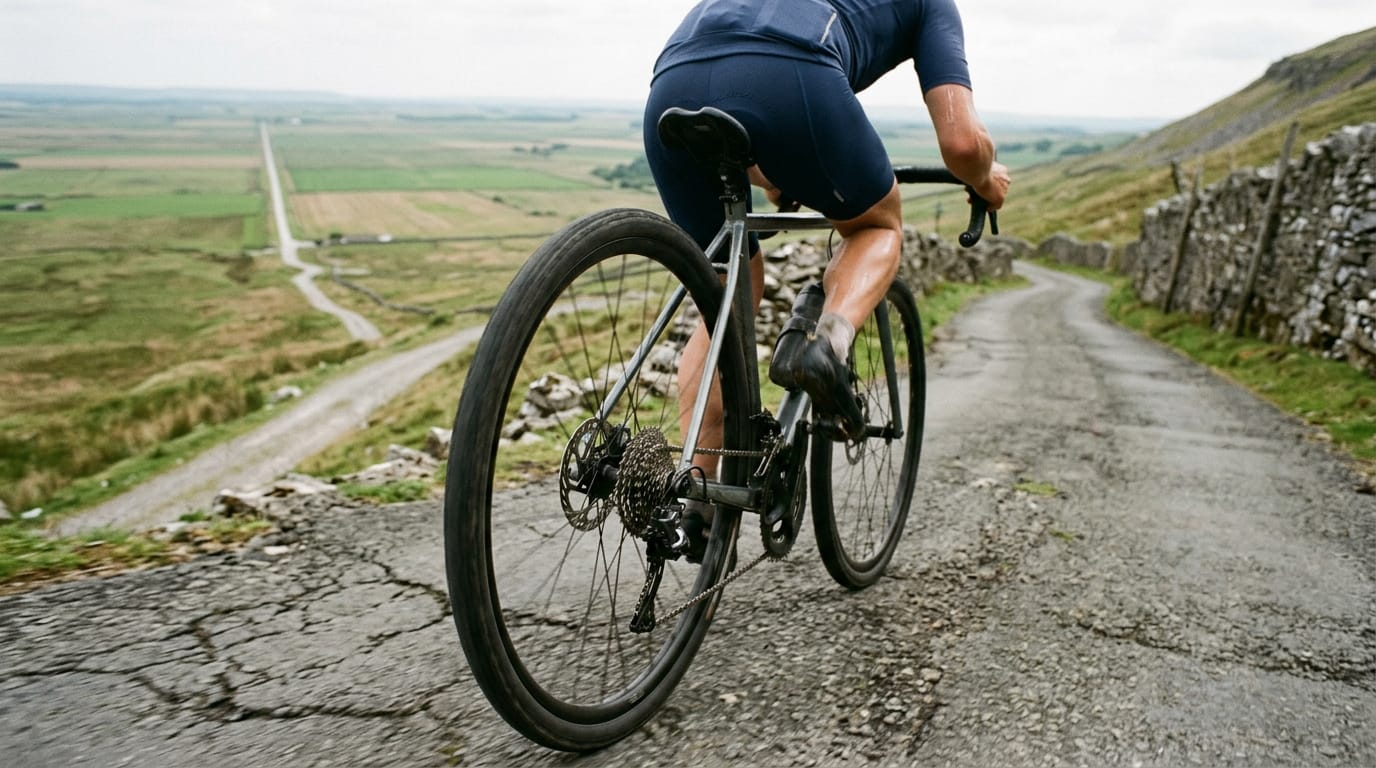
Steep inclines, wet or loose surfaces and changing speeds each call for a different gear, and 27 gears give you control over the ride.
Think of a weekend mountain biker on a loose climb who drops into a low gear, keeps a steady rhythm and reaches the top instead of walking. Range is the real test, and 27 gears are ideal for technical or mountain tracks.
Choose the Gear Setup That Suits You
The right gears depend more on how you ride than on the number printed on the box. Here’s how to match a setup to your riding.
Matching your gears to how you ride
If you mostly commute on flat, familiar streets, one or two gears may be all you need. A simpler setup stays light and needs less maintenance.
Experienced riders usually want more gears. A wider gear range, from your easiest gear to your hardest, helps you hold a steady pedal speed (cadence) on climbs and keep pace in groups.
Your level of performance control matters more than the gear count. A rider who shifts before the hill, not halfway up it, rides smoother on any bike. Riders still building that control can start with how to ride a bike.
Match your gearing to your hills and fitness:
- Hilly routes need easy low gears for climbing.
- Flat routes need less range, so a narrow setup often works.
- Building fitness favors easier gears so you can ride longer.
Consider a parent who rides hilly local trails with a teenager. Easy low gears let her keep pace on the climbs instead of walking, so the whole loop stays fun for both of them. Match the bike to the ride, not the other way around.
Ask a pro or visit a local shop
Speak to a professional. A knowledgeable mechanic or bike fitter can review your routes, fitness and budget, then point you to a setup you won’t outgrow.
Visit a local bike store. Shift through the gears on the sales floor and ride the bike if the shop allows. Trust how it feels over how the spec sheet reads. A short test ride beats months of guessing.
Bike gears come down to one idea: the right pairing of chainring and cog lets you work with the terrain instead of against it. Once you understand gear ratios, shift smoothly, and know how many gears you actually need, the choice gets much clearer.
The best setup is the one that matches how you ride, not the one with the longest spec sheet. Think about the hills and routes you use most, and let those guide your decision.
When your gearing fits your riding, you stop thinking about it, and that’s exactly how it should be.
References
- Building a cyclist’s comfort guide — digitalcommons.wpi.edu (2003)
- Cycling Scotland, Essential Cycling Skills Quick Guide — cycling.scot
Questions
How many gears are on a bicycle?
Bicycles can have one gear or many, with some modern bikes offering up to 27. The useful number depends on the bike’s gear range and the terrain you ride.
How do I properly use bike gears?
Choose an easy gear for climbs and a harder gear for flats or tailwinds. Shift before you reach a hill, and briefly ease pressure on the pedals as you shift to help avoid drivetrain damage.
How do you use gears on a bicycle?
Use the shifter to select an easier gear when climbing and a harder one when riding on flatter ground. Shift early and ease off the pedals briefly while changing gears.
Which gear is hardest to pedal?
The hardest gear is a large chainring at the pedals paired with a small rear cog. It moves the bike farther with each pedal turn but takes more effort to pedal.
Which is better, 7 gear or 21 gear?
Neither is automatically better: the useful choice depends on the range of gears available and where you ride. Compare the easiest and hardest combinations, and choose a setup suited to your terrain rather than relying on the gear count alone.
Do road bikes have gears?
Yes. Road bikes have gears, and the range matters more than the number of gears.
Sources
- Building a cyclist's comfort guide, digitalcommons.wpi.edu,
- Cycling Scotland, Essential Cycling Skills Quick Guide, cycling.scot
Find your level
The Counter