Technology Running Shoes Explained, Step by Step
Running shoe technology makes store specs easier to decode: see what foam, stack height and carbon plates do, then match features to your pace and budget.
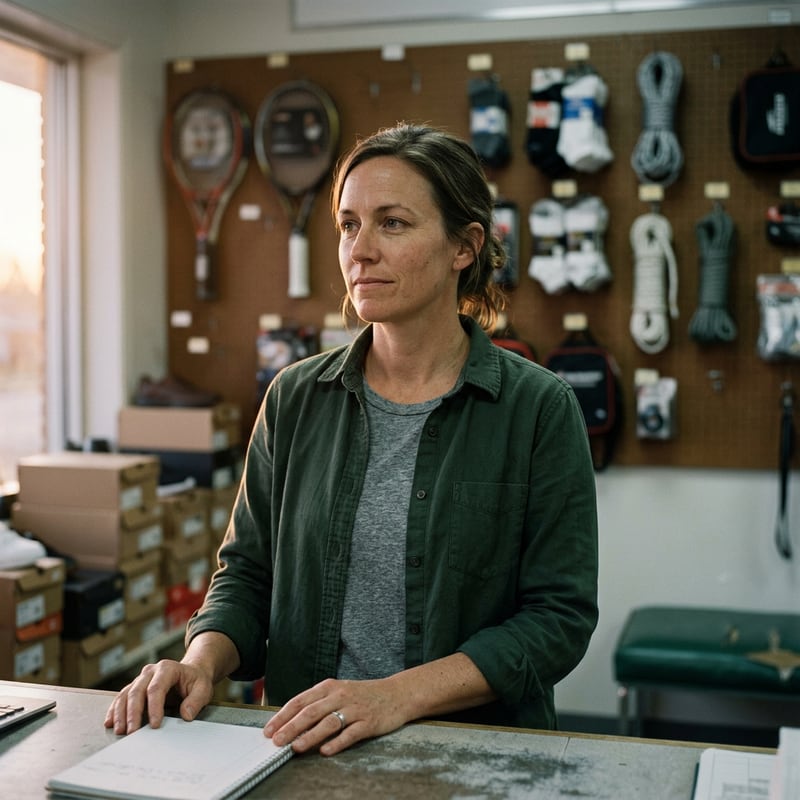
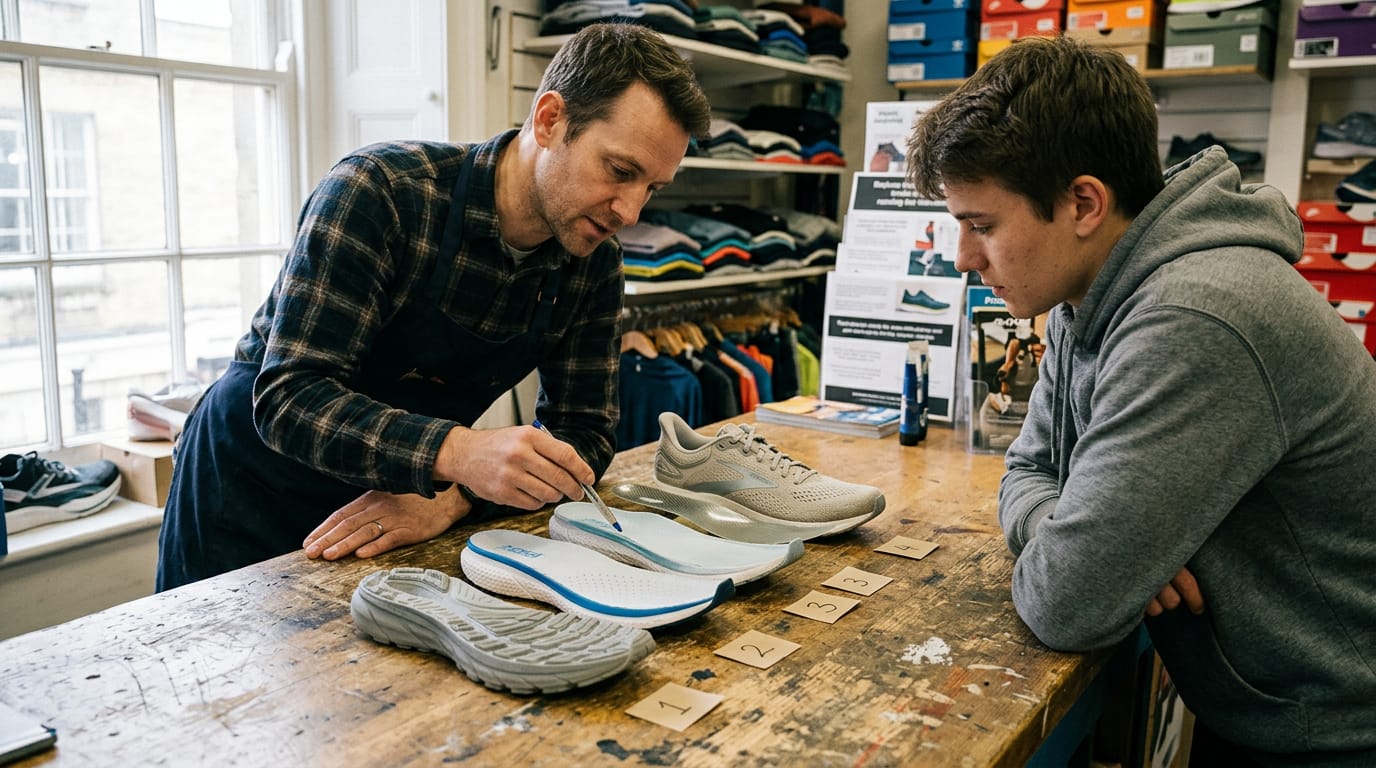
Walk into a running store and you’ll hear terms like super foam, stack height and carbon plate within minutes. It can sound like a sports car’s spec sheet, and you might nod along without knowing what any of it means.
Running shoe technology is simply the materials and design choices that decide how a shoe cushions each step and returns energy. Once you know what each piece does, the shelf makes sense.
In this post, we’ll break it down, look at how shoes affect injury risk, and help you match the tech to your pace, mileage and budget.
What’s the Latest in Technology Running Shoes?
The newest shoes combine lighter, bouncier foam, taller midsoles and carbon plates. The best technology isn’t any one part. What matters most is how they work together and whether they suit your pace.
Lighter foams with more energy return
Advanced footwear technology covers the newest designs. A review of this technology in distance running describes foams that compress easily, return lots of energy and sit on light, curved soles.
Super foams are lightweight and springy enough to work without a plate, and Nike’s ZoomX is a well-known example. The real question is less about how soft a foam feels and more about its rebound, the energy returned as you push off.
Think of a 10K runner in the final kilometers, when legs feel heavy. Cushioning and rebound can make those last kilometers easier. Bounce matters.
Why shoes are getting taller lately
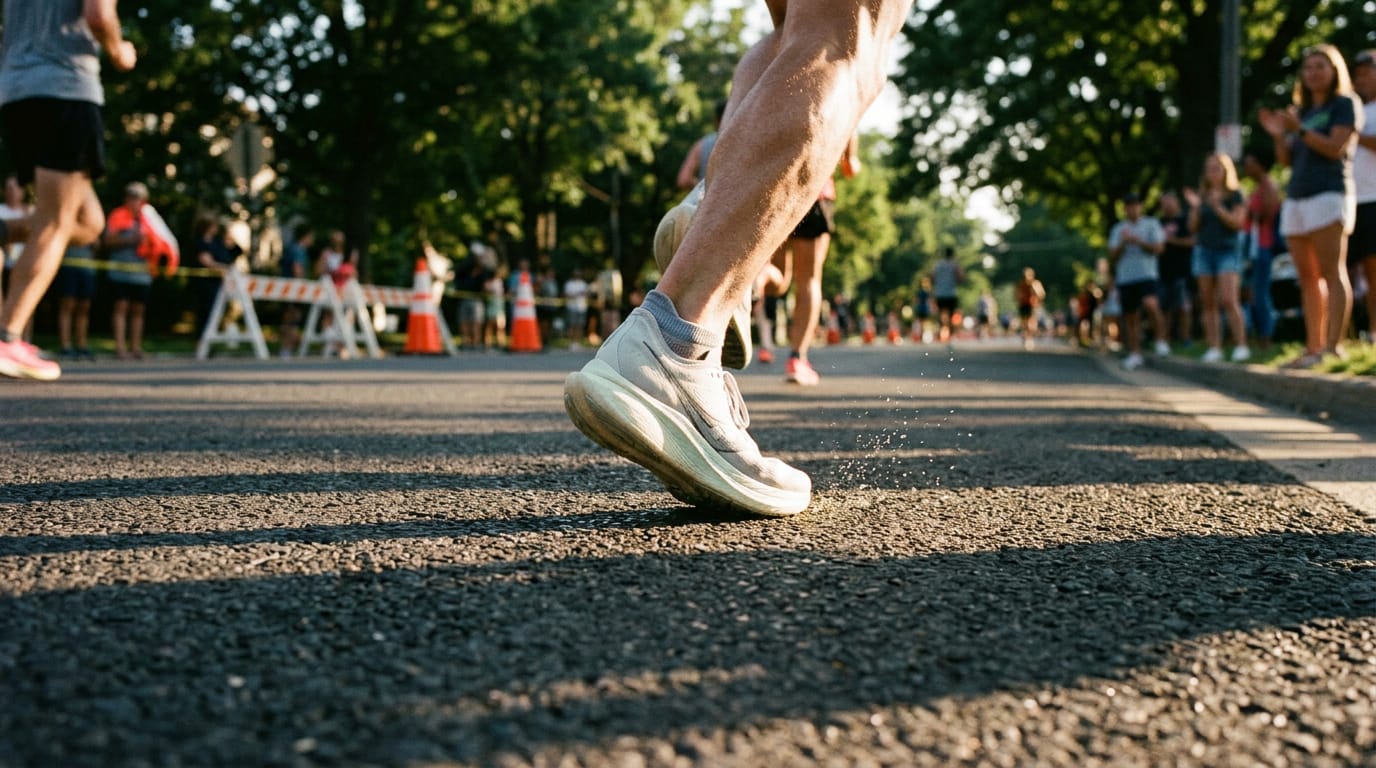
Stack height is the thickness of foam between your foot and the ground. Elite racers have moved from low stacks to taller ones, thanks to lighter foam. Taller used to mean heavier. Not anymore.
That’s the propulsive midsole effect: a taller, curved midsole helps carry you forward through each stride.
How carbon plates guide your stride forward
A carbon plate is a stiff insert in the midsole that directs the foam’s energy forward. Longitudinal bending stiffness is how hard the shoe resists bending from heel to toe.
Think of a playground teeter-totter. The curved plate and midsole tip you from heel to toe, so each step hands you into the next. That’s the teeter-totter effect. Plate curvature and stack height work as a pair.
Running economy is how little energy you burn at a steady pace.
A systematic review of emerging sports footwear in BMC Sports Science, Medicine and Rehabilitation found carbon-plated shoes with resilient foams improved it by 2.6 to 4.2 percent, with gains up to 6 percent during prolonged running.
Running faster for less effort
A meta-analysis of advanced footwear technology found these shoes cut oxygen consumption and energy cost compared with conventional shoes, so runners can go faster for less effort.
Runner’s World reported that Josh Kerr’s mile world record came in a custom Brooks racing spike built to his exact specifications.
Racing and long runs both benefit. Consider a club runner building toward her first half marathon, where small efficiency gains matter most in the final miles. Small savings, big miles. Runners building toward a full marathon will want a closer look at running shoes for marathon training.
How Footwear Affects Running Injury Risk
It’s tempting to think the right shoe keeps you healthy, but the evidence is more complicated.
What the research says about injuries
According to Updates to the Running Shoe and Injury Considerations, new running-shoe technology has not been shown to prevent running injuries.
The characteristics studied overlap with the features this guide covers:
- Cushioning: the foam between your foot and the ground
- Stack height: how much sole sits under your foot
- Carbon plates: stiff inserts that change how the shoe bends
Even so, the evidence is far from conclusive. Footwear changes the forces on your body, but the same review notes that clinically relevant outcomes are limited.
Runner individuality complicates the links, since gait and mileage shape how any shoe feels.
Ease into new shoes and training load
An overuse injury builds when tissue gets more stress than it can recover from, often after you add miles, pace or hills too fast.
The Run Better study on footwear, training and individual factors points to training errors as more important than shoe choice in causing overuse injuries.
Think of a parent who bought a carbon-plated racer and added three weeks of hill repeats in it. The shin got sore and the shoe took the blame, but the jump in load was the real culprit. Before blaming the shoe, check whether stability running shoes suit your foot.
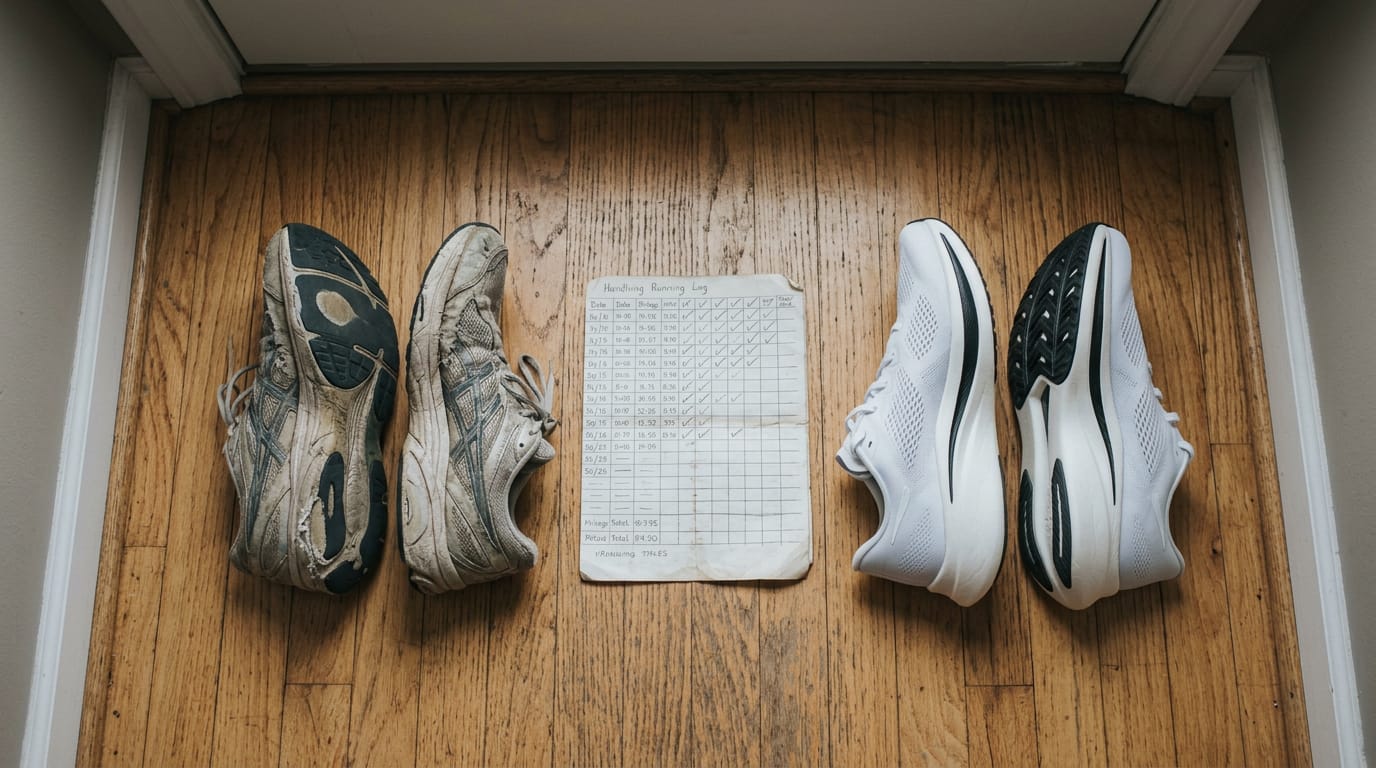
Treat a new pair like a training change: ease in with a few short runs, then alternate it with your old pair for a week or two. It’s less about what you wear and more about how you build up.
Super shoes, carbon-plated racers built for speed, feel very different from a daily trainer, so break them in gradually.
Your training plan is the bigger lever.
Picking the Right Running Shoes
Yes, running shoes are built for training. Start with how a shoe feels rather than what the box promises.
Trust your feel and check the fit
Your feel is the best test you’ve got. A shoe should be comfortable from the first step, and your stride should feel normal. Every foot differs, so an individual assessment at a specialty shop beats a size chart.
Since e-commerce reduces in-person consults, plan to return any pair that fails these checks:
- Toe room: Toes need space and shouldn’t jam at the front.
- Heel lockdown: Your heel stays put when you walk and stride.
Rotate pairs and match shoes to you
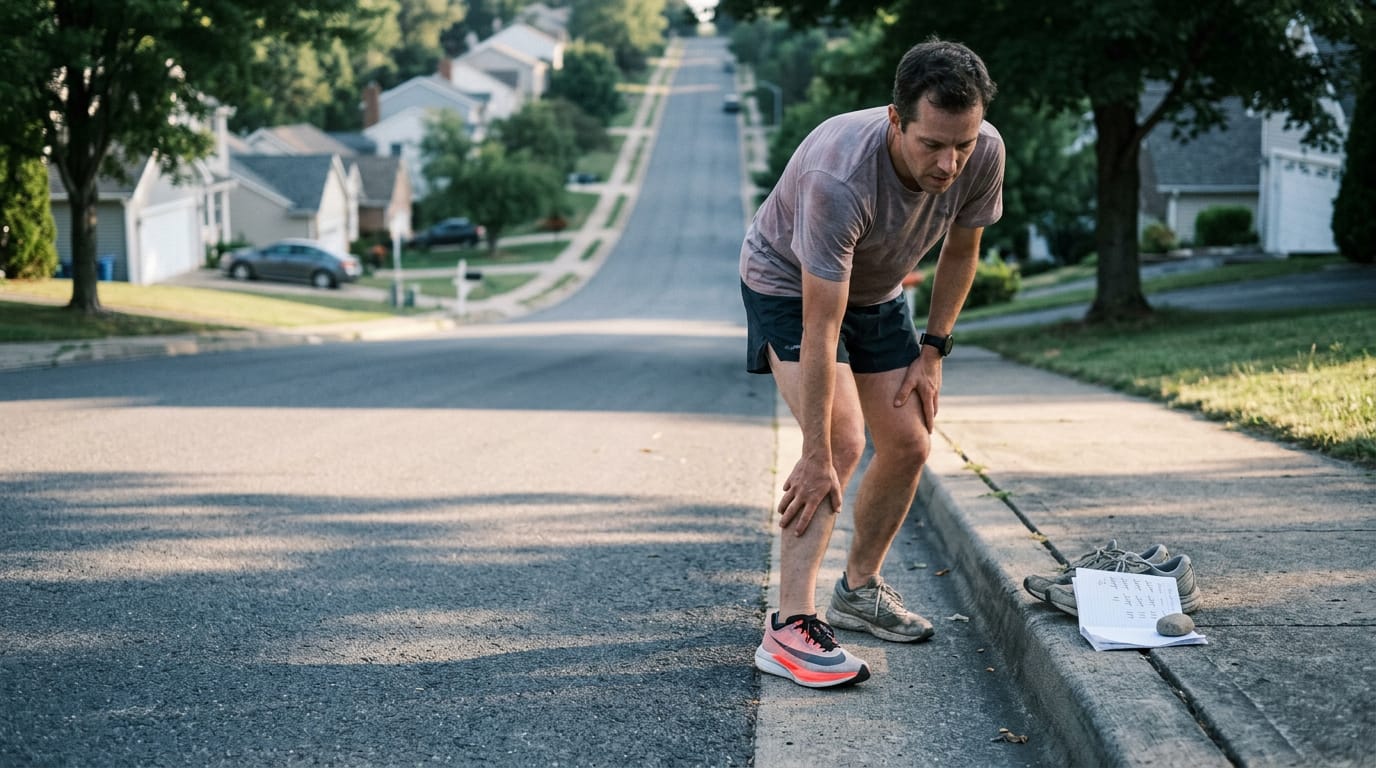
Think of a weekend 10K runner with one pair for long runs and a snappier pair for speed work, so the load changes from run to run. Alternating between shoe pairs can reduce repetitive stress.
A 2015 study by Malisoux and colleagues found runners who rotated several pairs had about 39% lower running-related injury risk than those who mostly wore one shoe.
According to a Scientific Reports study of elite heel strikers, carbon-plated shoes can benefit runners who land on their heels first. Carbon shoes work for training too. Add a lighter pair to your quiver for quick days.
Tech shifts by type: daily trainers favor comfort and durability, tempo shoes split the difference, and race shoes lean hardest on carbon. Super shoes cost more, and their benefits show most on race day. For daily miles, that gap may not be worth it.
Foam breaks down with miles. A pair that feels flat or dead has lost its bounce, and dead foam doesn’t come back.
Running shoe technology comes down to a few choices: how the foam feels, how high the stack sits and whether a carbon plate is built in. None is better in every case. The right mix depends on your pace, your weekly mileage and your budget.
Keep those three questions in mind at the shelf, and you’ll make a smarter call than most shoppers. The right shoe is the one you forget about once you’re running.
References
- Emerging sports footwear technologies and their effects on running economy, biomechanics, and performance: a systematic review | BMC Sports Science, Medicine and Rehabilitation — link.springer.com (2026)
- Advanced Footwear Technology in Distance Running: What We Know, What We Don’t Know, and Future Directions — pmc.ncbi.nlm.nih.gov (2026)
- Effects of Advanced Footwear Technology on Running Economy and Endurance Performance: A Meta-Analysis — doi.org (2025)
- Updates to the Running Shoe and Injury Considerations — pmc.ncbi.nlm.nih.gov (2026)
- The impact of self-reported footwear, training, and individual factors on self-reported running-related injury risk: insights from the run better research study — doi.org (2025)
- Malisoux et al. 2015, Parallel use of different running shoes and injury risk — running.wiki (2026)
- Longitudinal bending stiffness of marathon shoes alters ground reaction force frequency dynamics in elite runners — nature.com (2026)
- Josh Kerr Broke the World Record in the Mile. His Custom Shoes Were Designed to Be a ‘Weapon’ — runnersworld.com (2026)
Questions
What is the best technology in running shoes?
There is no single best technology for every runner. Lightweight, resilient foam and a carbon plate can improve energy return and running economy, especially at faster paces, but the right choice depends on your pace, mileage, fit, and budget.
What is the latest technology in running shoes?
Recent running-shoe designs combine lightweight, springy foams with taller, often curved midsoles and carbon plates. These features work together to return energy and help guide the stride, but they are not necessary for every runner or every type of run.
What running shoes are manufactured in the USA?
Some running shoes are made in the USA, including select models from New Balance and running-shoe company SOM. Manufacturing location can vary by model, so check the shoe’s product details or label to confirm where a specific pair was made.
Can running shoes be used for training?
Yes. Running shoes are designed for training, and different pairs can suit daily miles, tempo runs, or speed work. Choose a comfortable pair that fits well, and ease into a new or carbon-plated shoe with shorter runs before using it more often.
Sources
- Emerging sports footwear technologies and their effects on running economy, biomechanics, and performance: a systematic review | BMC Sports Science, Medicine, link.springer.com,
- Josh Kerr Broke the World Record in the Mile. His Custom Shoes Were Designed to Be a ‘Weapon’, runnersworld.com,
- Advanced Footwear Technology in Distance Running: What We Know, What We Don't Know, and Future Directions, pmc.ncbi.nlm.nih.gov,
- Effects of Advanced Footwear Technology on Running Economy and Endurance Performance: A Meta-Analysis, doi.org,
- Updates to the Running Shoe and Injury Considerations, pmc.ncbi.nlm.nih.gov,
- The impact of self-reported footwear, training, and individual factors on self-reported running-related injury risk: insights from the run better research study, doi.org,
- Malisoux et al. 2015, Parallel use of different running shoes and injury risk, running.wiki,
- Longitudinal bending stiffness of marathon shoes alters ground reaction force frequency dynamics in elite runners | Scientific Reports, nature.com,
Find your level
The Counter